
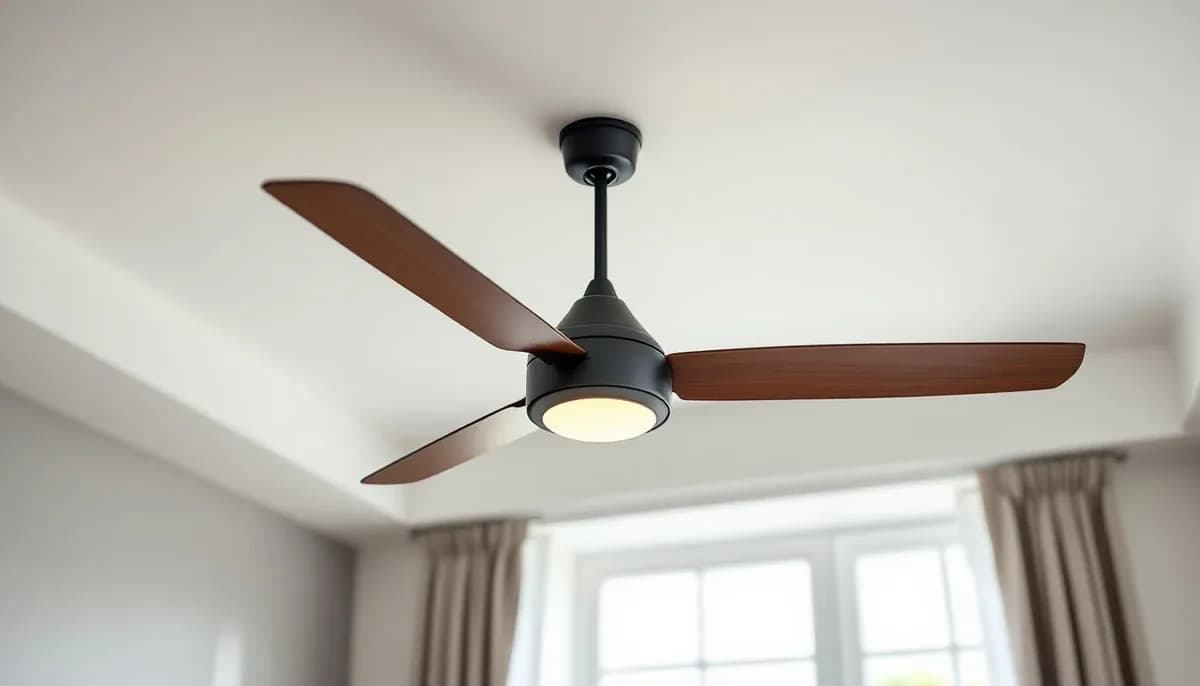
Ceiling Fan Installation: Fixing, Wiring and Costs Explained
Swapping a pendant for a ceiling fan is a half day job when the fixing and wiring are right. Here's what a proper ceiling fan installation involves, and what it costs.
Read moreStraightforward guidance on electrical safety, certificates, and home upgrades from our NICEIC registered team across London.
Swapping a pendant for a ceiling fan is a half day job when the fixing and wiring are right. Here's what a proper ceiling fan installation involves, and what it costs.
Read moreMost London landlords now need a council licence as well as an EICR. Here's what 17 councils ask for on the electrics, borough by borough, checked in October 2026.
Read more
An extension lead shares one socket's 13 amps between everything plugged into it. Here's the simple maths, why daisy chaining causes fires, and when you need more sockets instead.
Read moreAmendment 3 to BS 7671 took effect on 31 July 2024, Amendment 4 becomes the sole standard on 15 October 2026, and the 19th Edition has no announced date. Here's what any of it means for your home or rental.
Read more
What an HMO needs for electrical safety and fire alarms in England: the five-year EICR, interlinked alarm grades under LACORS, emergency lighting, and what a council inspector actually checks.
Read more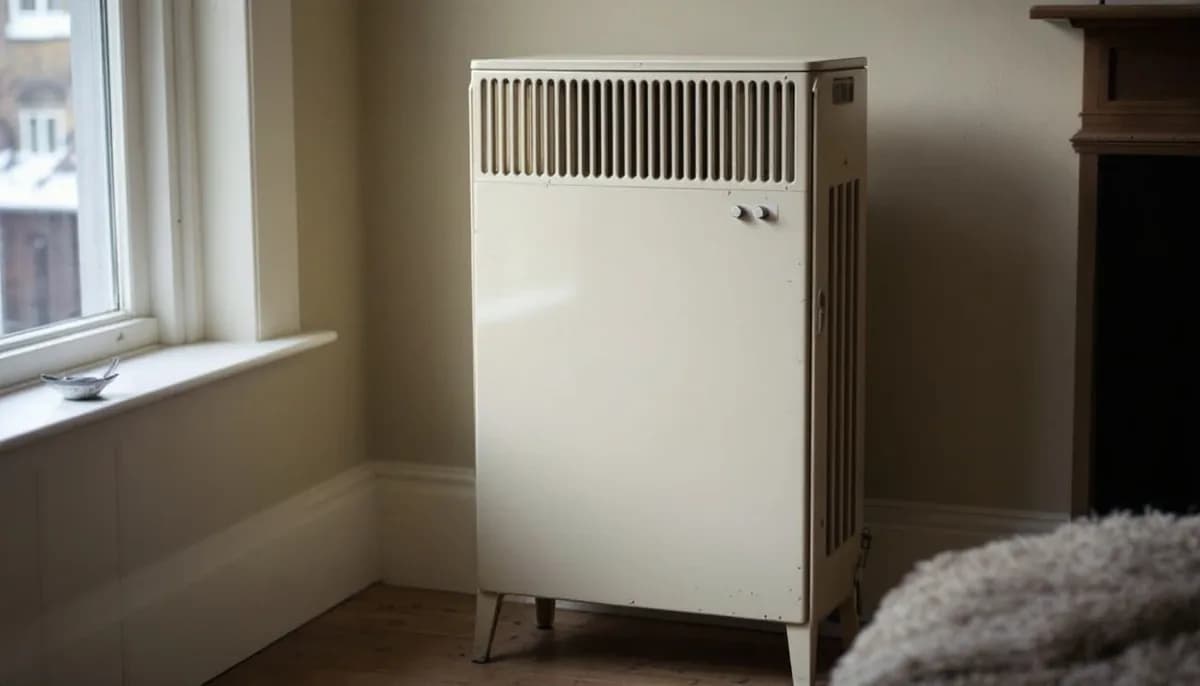
Old storage heaters cold by teatime? A London electrician's honest guide to replacing them: high heat retention models, electric radiators, costs and the wiring nobody mentions.
Read moreOne dead socket or a whole room? The answer changes everything. How to check the consumer unit, test safely, and spot the loose connection we find most often.
Read more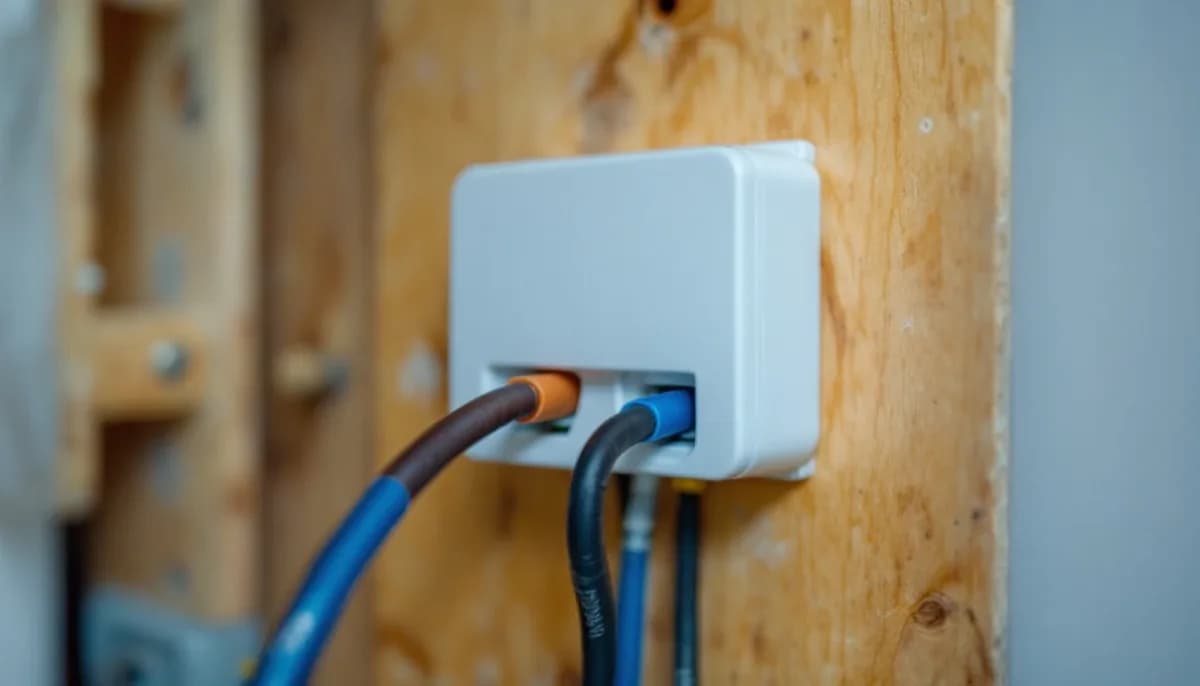
Meter tails are the thick cables between your electricity meter and your consumer unit, and they belong to you. Here is what size they should be and when to upgrade them.
Read moreA dead bathroom fan is usually a tripped isolator, a failed timer, a seized motor or a blocked duct. Here's how to tell which, and what you can safely check.
Read moreA fused spur, or fused connection unit, is a wall-mounted unit with its own fuse that feeds one fixed appliance off a circuit. Here's what it does and when you need one.
Read more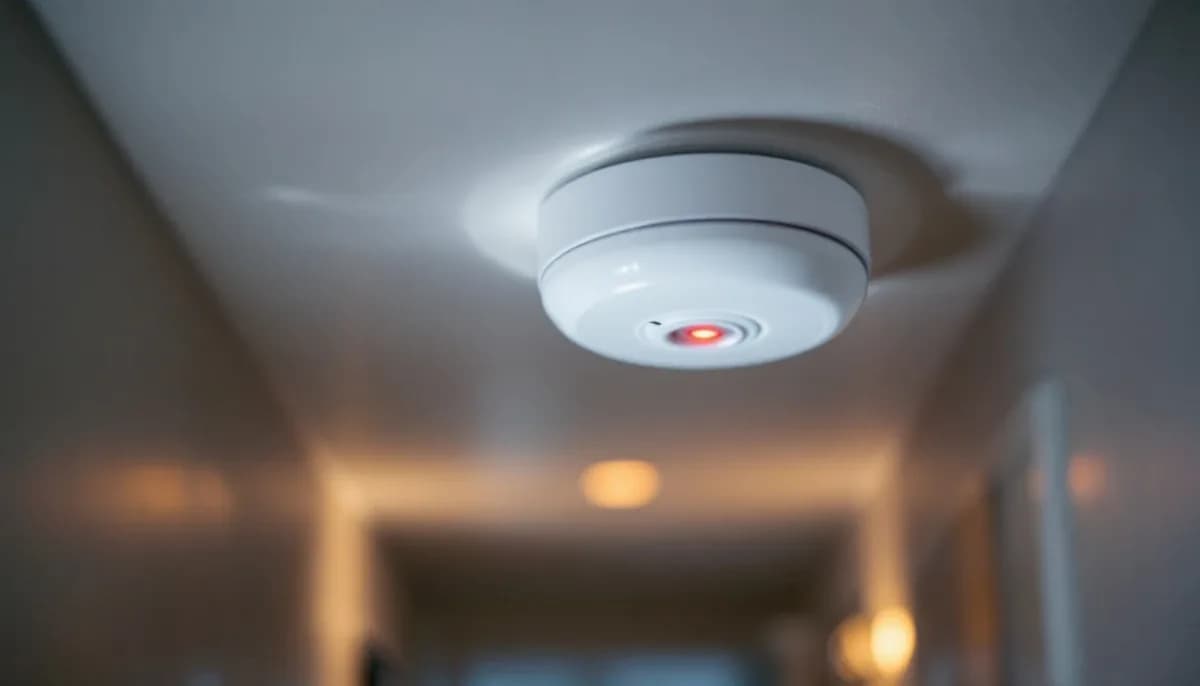
A single chirp every 30 to 60 seconds means a low battery or an alarm at the end of its life. Here's how to find the culprit, even on a mains-wired interlinked system.
Read moreThe law says maintain it but never says how often. Here's where the monthly and annual tests actually come from, who carries the duty, and what inspectors check.
Read moreNo hot water from the immersion? The thermostat trips out far more often than the element fails. Here's how to tell them apart before you pay for the wrong part.
Read moreDead shower, cold water or one that cuts out mid-wash. The faults behind each symptom, the two safe checks you can do, and when to stop and call someone.
Read moreWhat an electric shower install actually involves in a London home, why the consumer unit decides half the price, and the questions to ask before you book.
Read moreEIC, Minor Works and EICR are three different documents for three different jobs. Here is which one your electrician should hand you, and when.
Read more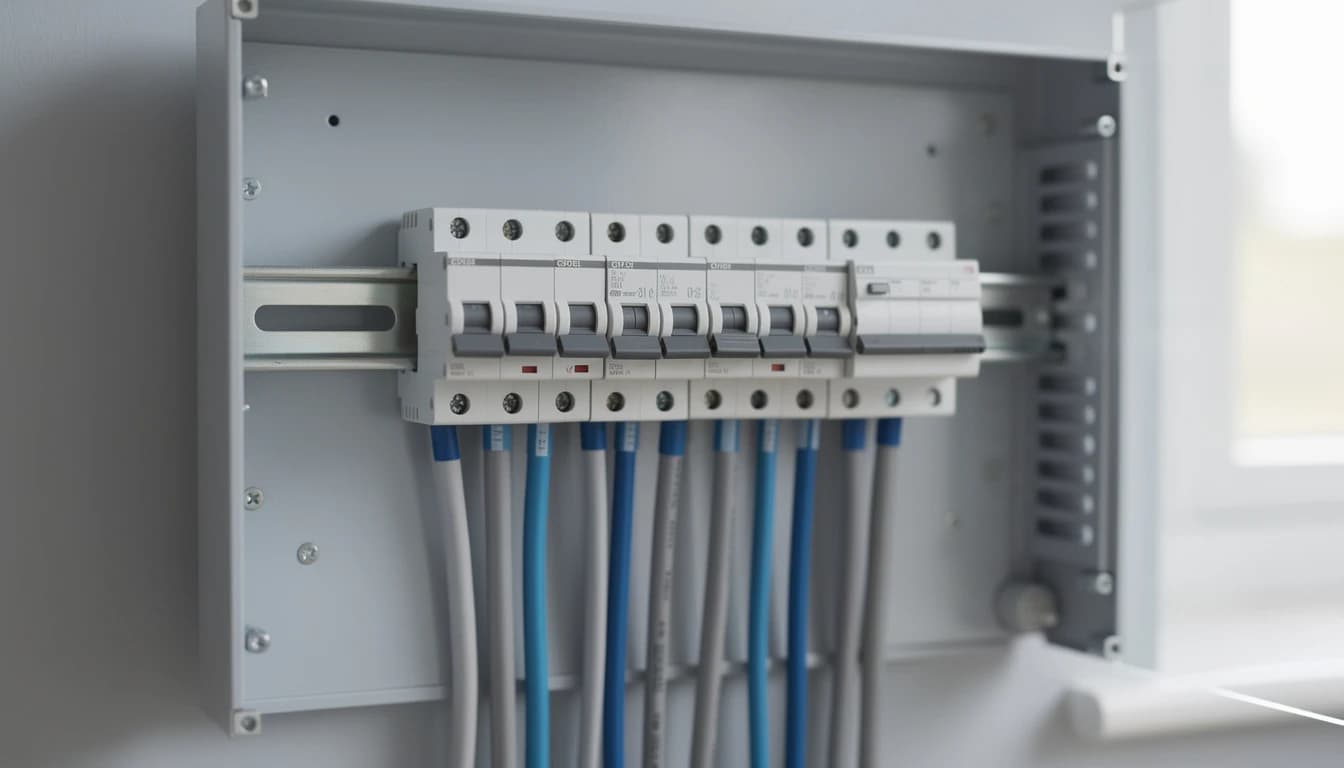
Arc fault detection and surge protection are the two devices changing what goes in a consumer unit. Here is what each does and whether your board needs them.
Read more
Bathrooms are split into electrical zones by how close they are to water. Here is what goes where, which IP rating you need, and why sockets are banned.
Read more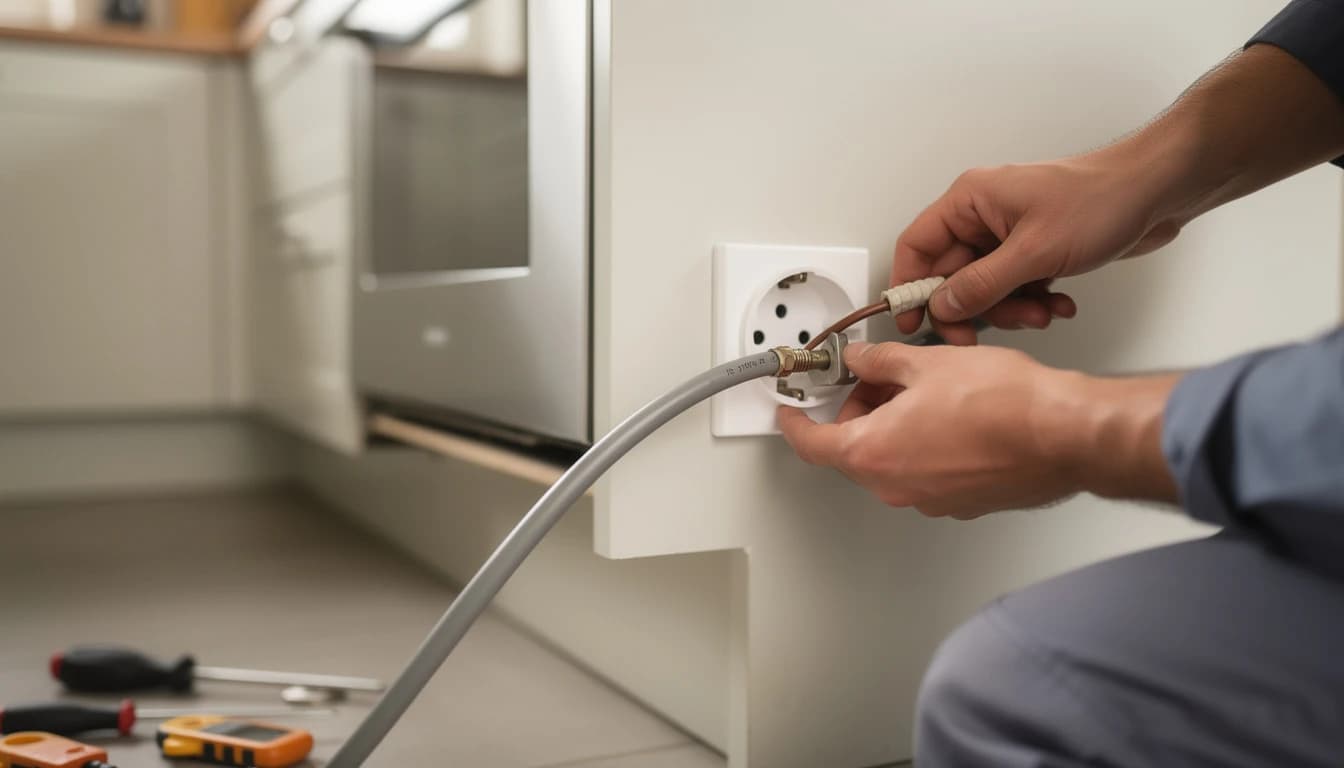
Most electric cookers and every electric hob need a dedicated circuit. Here is how to work out whether yours does, and what a proper cooker circuit involves.
Read more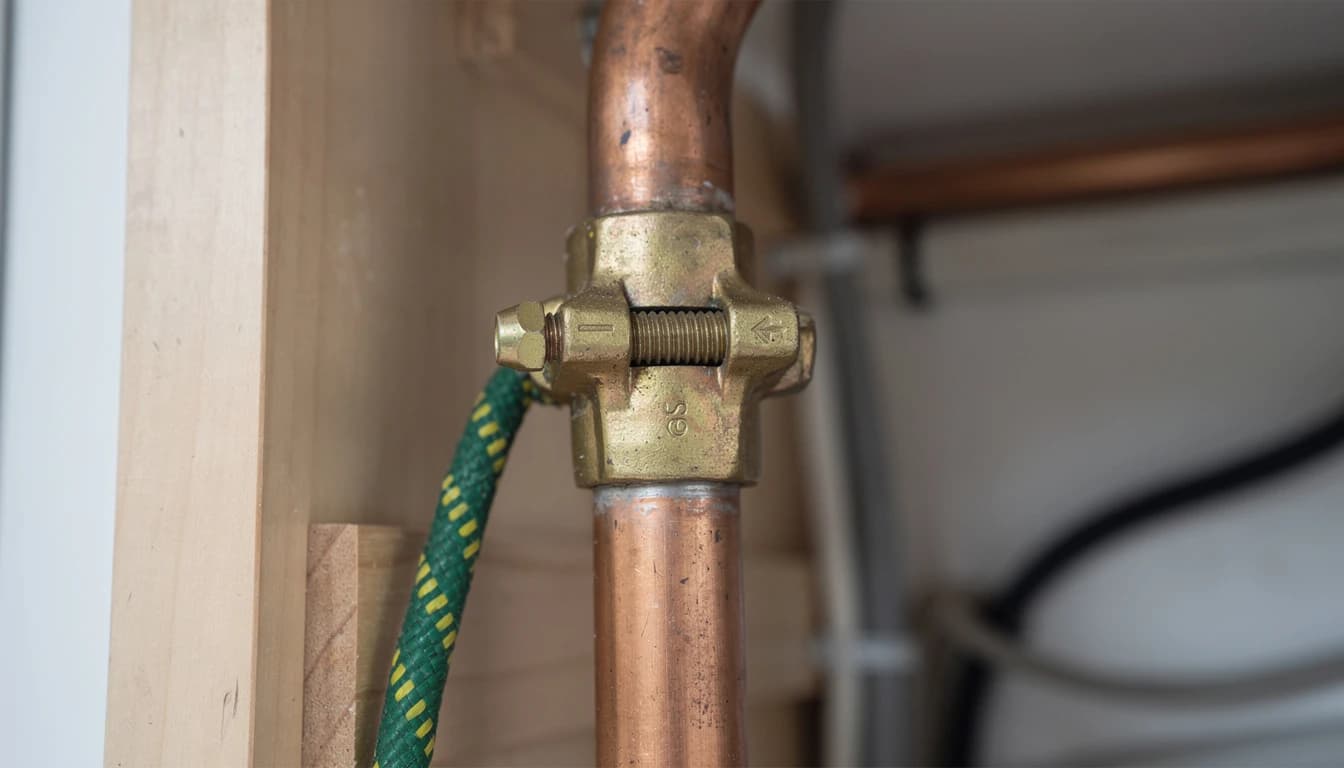
Earthing and bonding do two different jobs and both get flagged on inspections. Here is what each one is, what good looks like, and why yours may be missing.
Read more
Your EICR came back with codes against it. Here is what C1, C2, C3 and FI actually mean, which ones make a report unsatisfactory, and what you have to fix.
Read more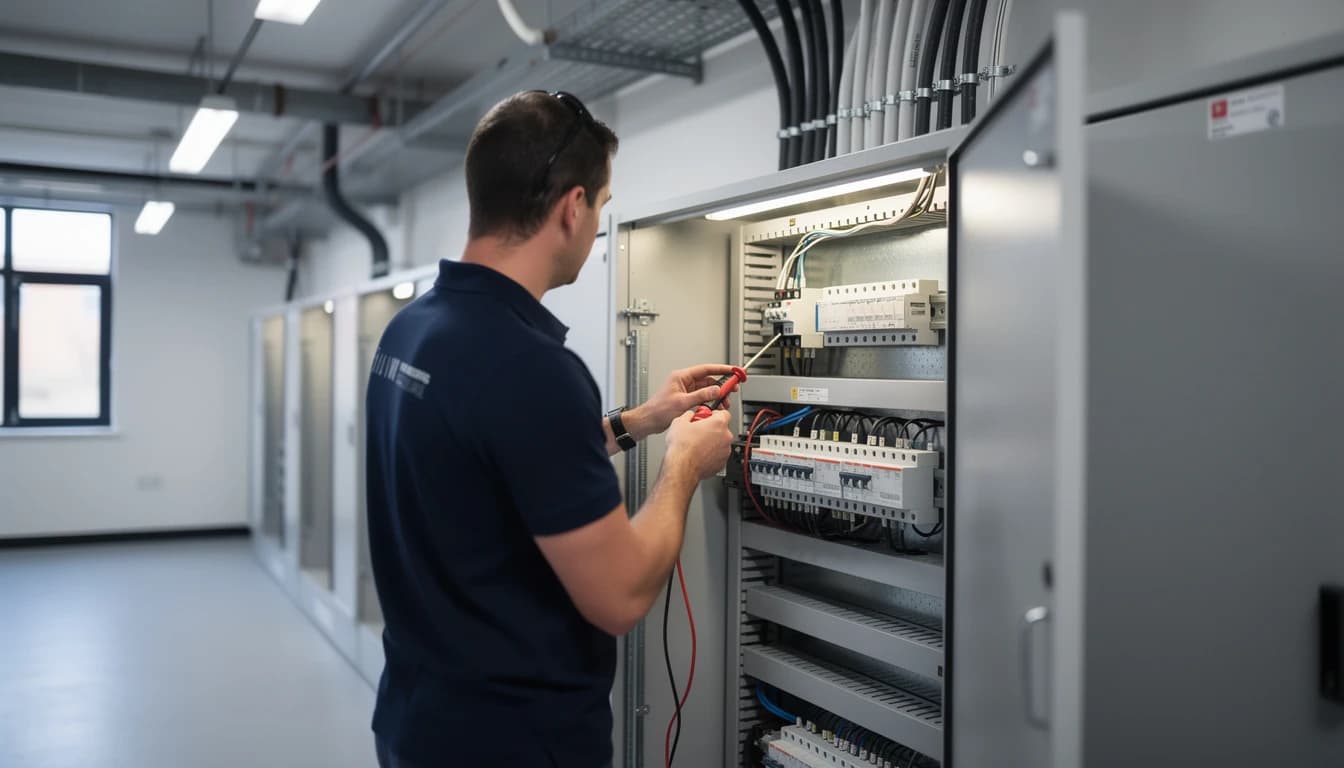
No law sets a fixed testing interval for business premises. Here is what the Electricity at Work Regulations really require and how to build a defensible schedule.
Read more
There is no legal minimum distance between a socket and your kitchen sink. Here is what the rules actually say, how many sockets you need and where to put them.
Read more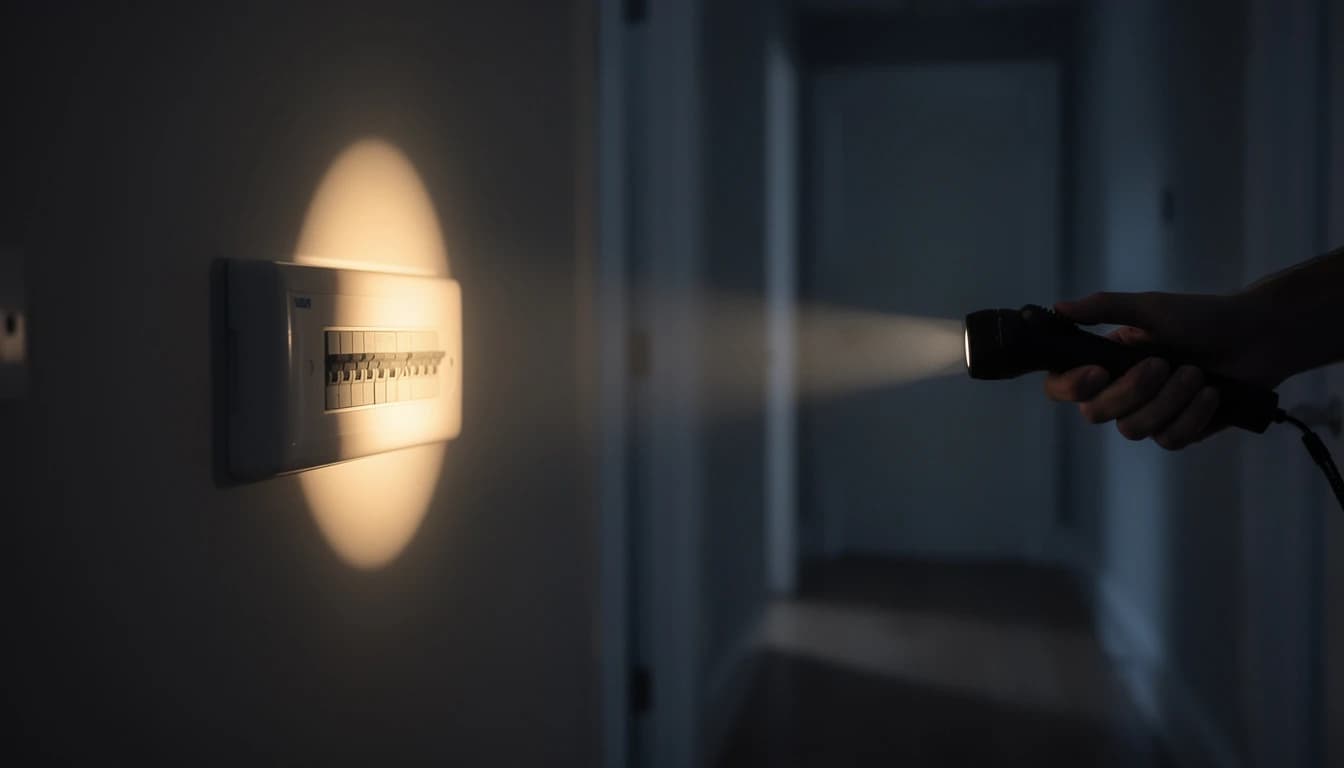
Lights out and no idea why? Here is the two minute check that tells you whether it is a network power cut or a fault inside your own home, and who to call.
Read more
A garden office needs a proper buried supply and its own small board, not an extension lead. Here is what the job involves, what it costs and what the rules are.
Read more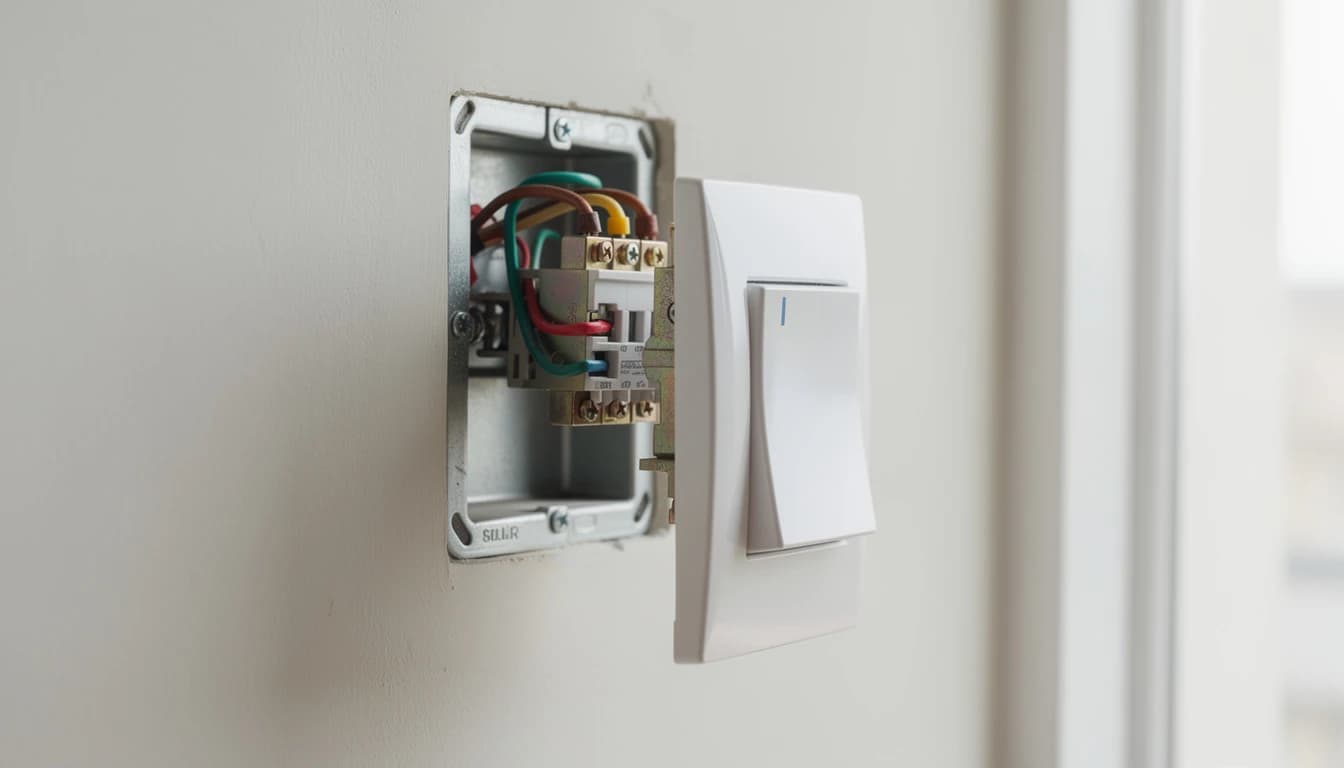
Most UK light switches have no neutral, which is why smart switches fail. Here are the four ways round it and which one suits your house and your lights.
Read more
Adding an outdoor socket or garden lighting isn't a weekend DIY job. Here's the safe, legal way to do it, from RCDs and IP66 sockets to SWA cable and Part P.
Read more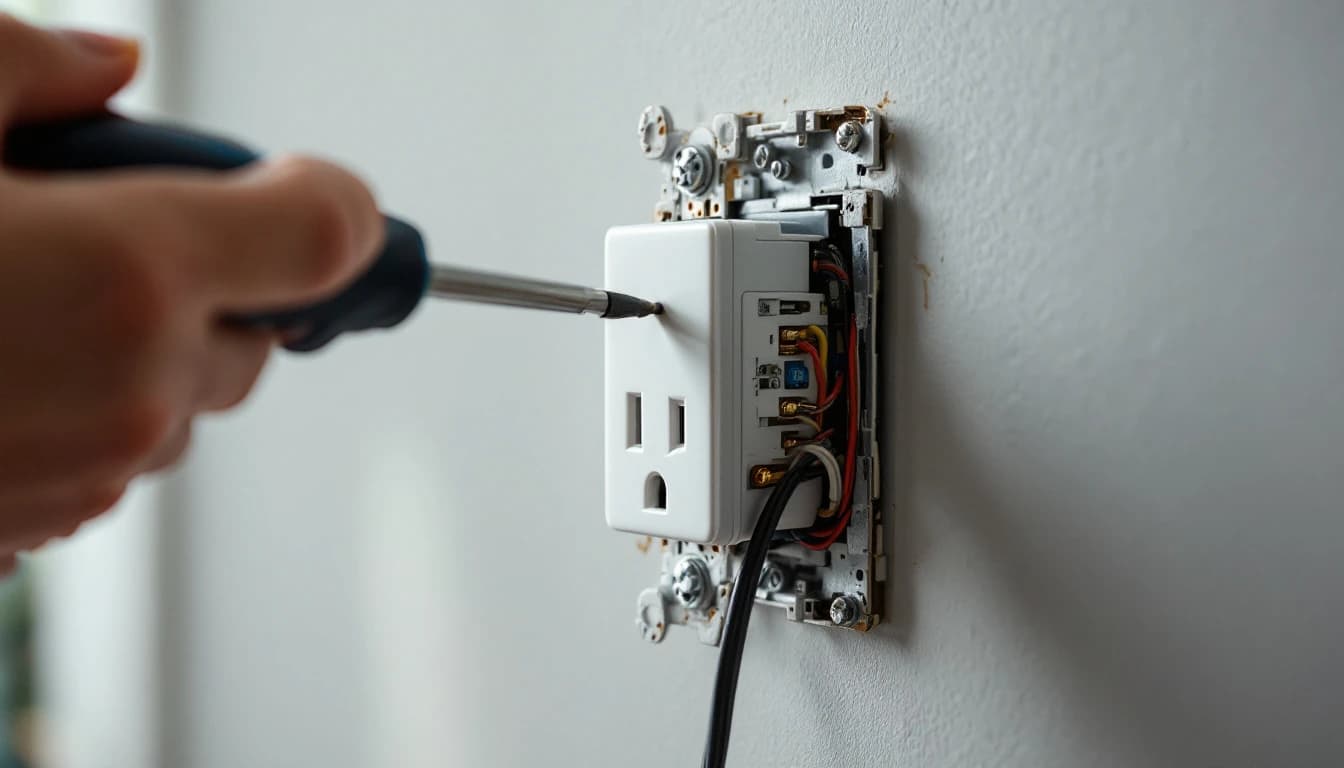
Swapping a like-for-like socket is legal DIY. New circuits, consumer units and bathroom wiring are notifiable under Part P and need a competent person to sign them off. Here's where the line sits.
Read more
Usually no. Most house rewires can be phased room by room, so you can stay put. Here's what to expect on timeline, dust, power and living in it.
Read more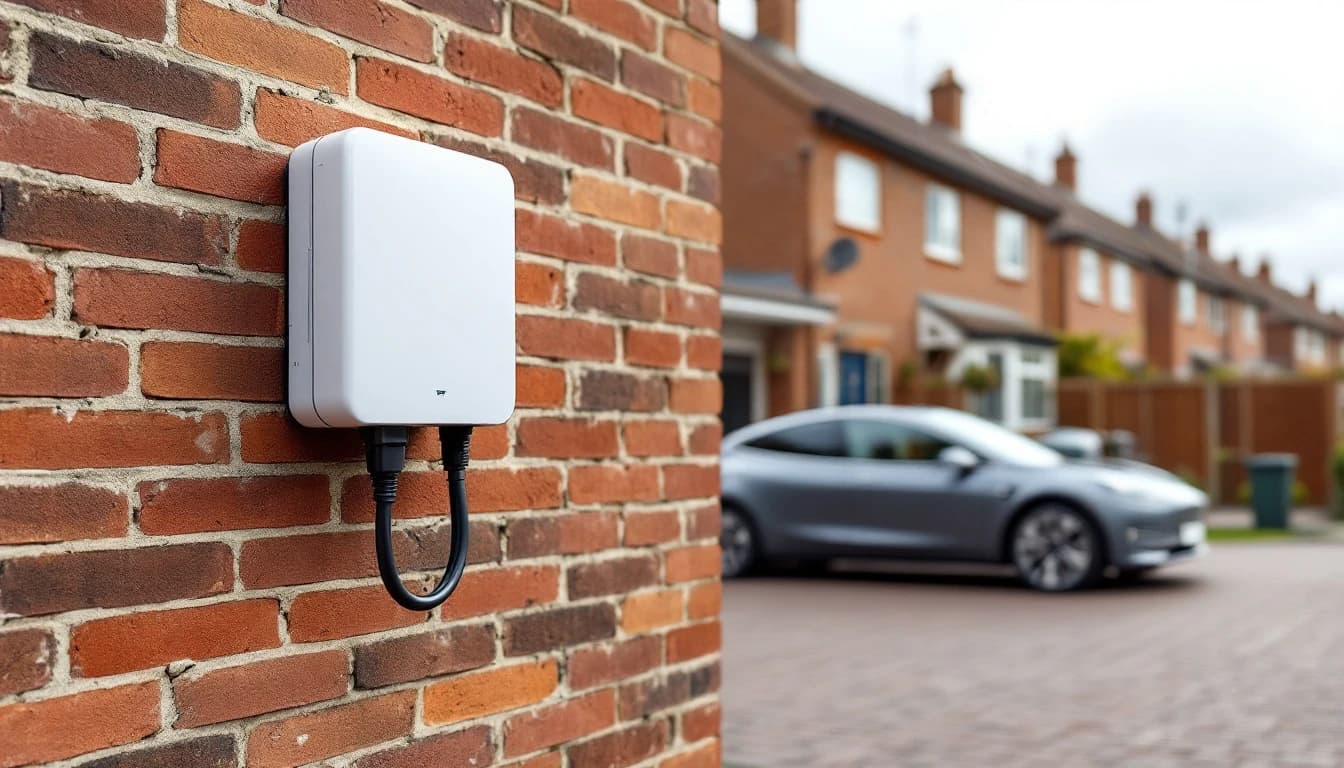
Most home EV chargers are permitted development, so no planning permission is needed. But London listed buildings, conservation areas and flats are the catch.
Read more
A standard survey won't test the wiring. Here's the electrical checklist to run before buying a house in London, the red flags in older homes, and why an EICR pays for itself.
Read more
Work out how many downlights you need per room with a simple spacing rule, a lumens-per-square-metre guide by room, and a worked example for a London kitchen.
Read more
How often you need an EICR depends on the property. Homeowners are advised every 10 years, landlords must test every 5 years by law, businesses follow a risk cycle.
Read more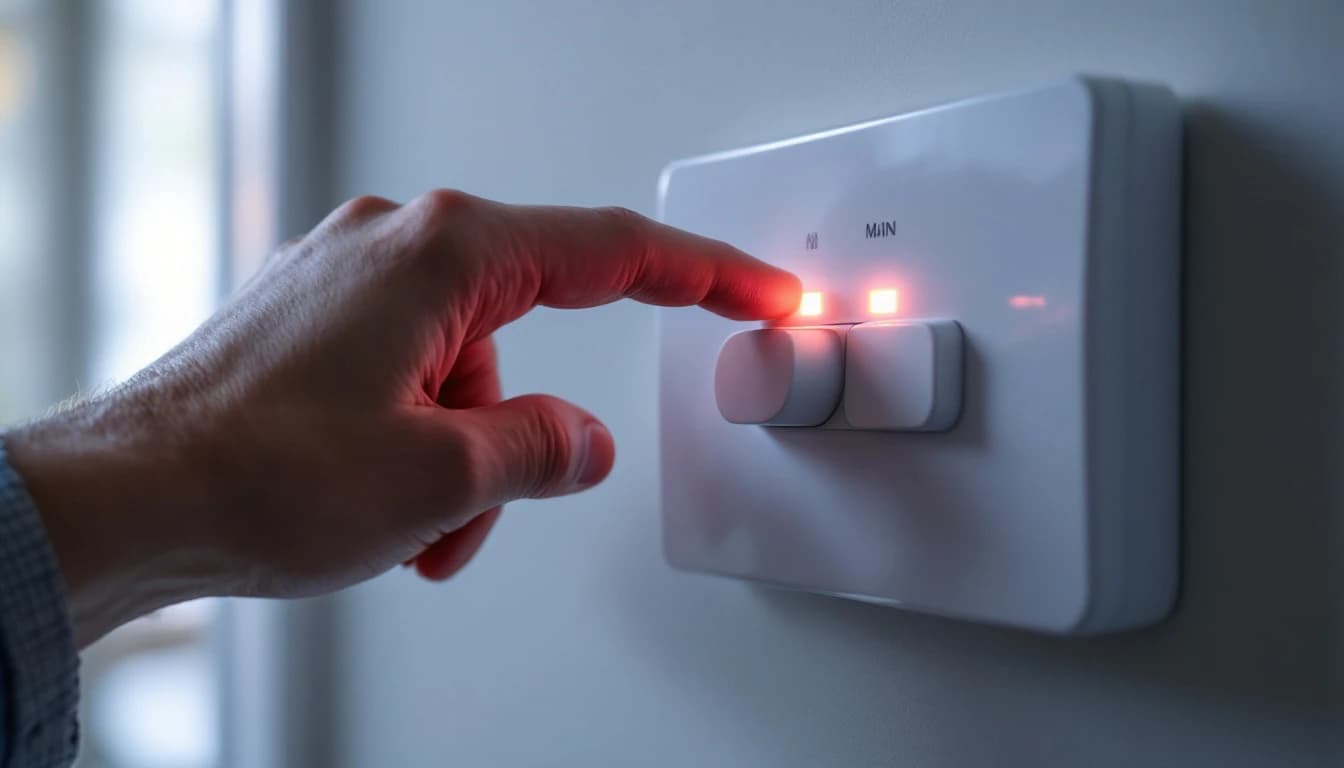
Your fuse box has tripped and half the house is dark. Here's how to safely reset the main switch or RCD, trace the faulty appliance, and know when to stop and call us.
Read more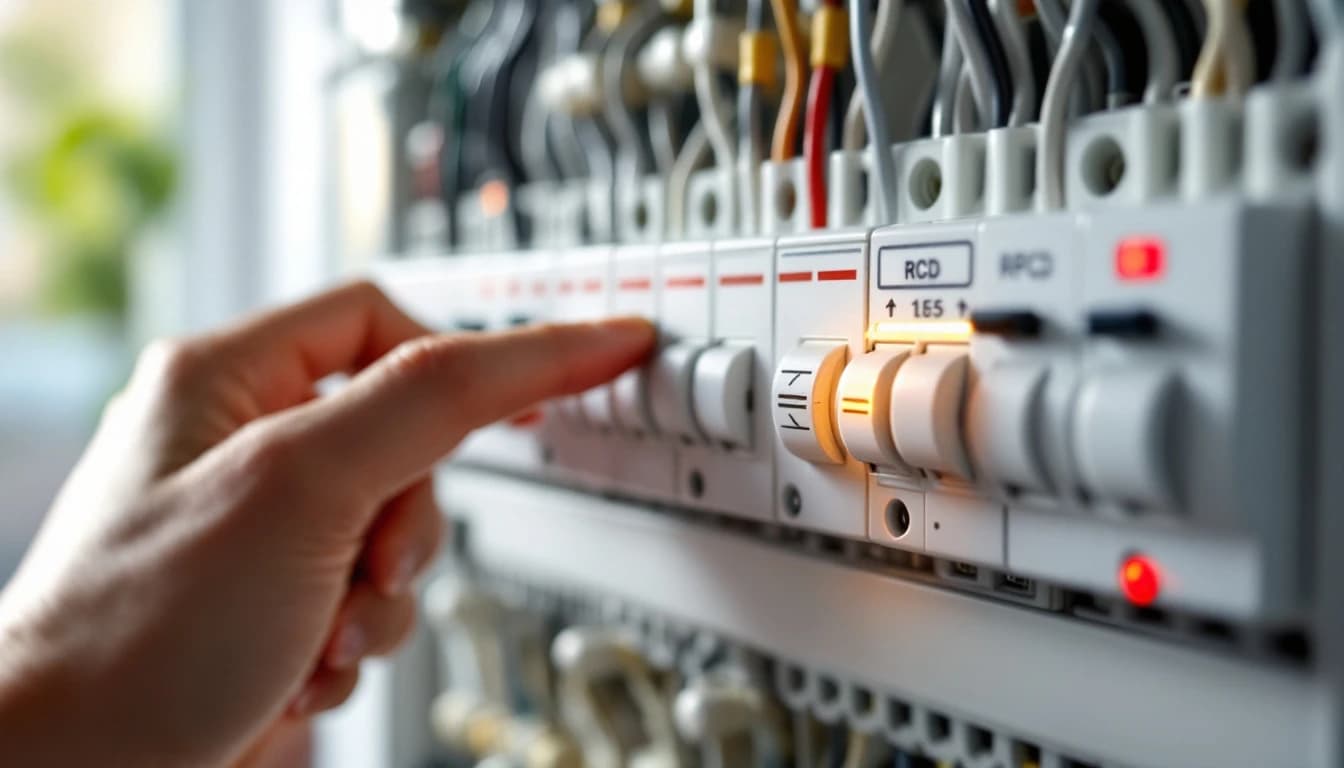
MCB, RCD or RCBO? Here's what each switch in your consumer unit does, how to spot which one you've got, and why one of them keeps tripping. Plain advice from London electricians.
Read more
That faint glow or low hum from your LED lights is usually harmless, but not always. Here's how to tell a cheap driver from a real wiring fault, and when to call an electrician.
Read more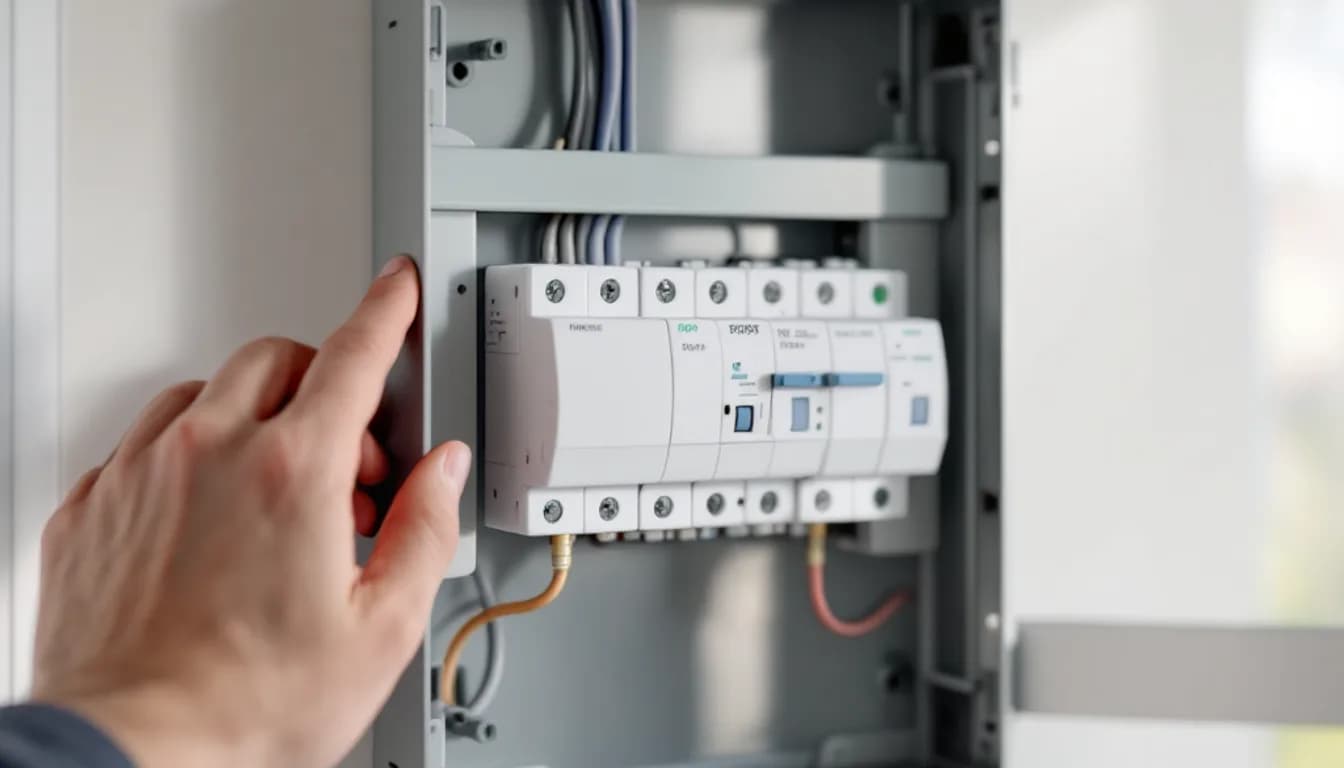
The leading UK consumer unit brands for 2026 compared, from Hager and Wylex to Fusebox and MK, plus what actually matters more than the badge: metal, RCBO and SPD.
Read more
What UK law actually requires for bathroom extractor fans: Part F ventilation rates, Part P notifiable wiring, and the BS 7671 zones and IP ratings that decide what goes where.
Read more
An RCD trips fast to stop a fatal shock, an MCB protects the cable, and an RCBO does both. Here's how they differ and what to do if yours keeps tripping.
Read more
A 2026 buyer's guide to the best kitchen downlights by type: fire-rated, IP65 over sinks, integrated LED vs GU10, dimmable and CCT, plus how many you need.
Read more
A plain-English guide to Part P: what it covers, which electrical jobs are notifiable, who can sign the work off, and why the certificate matters.
Read more
A buyer's guide to the best outdoor lighting for UK homes in 2026, from wall lights and path bollards to festoon, PIR floodlights and smart garden lighting.
Read more
What UK smoke and heat alarm law requires in 2026, where alarms must go, and why mains-wired interlinked units beat battery ones for homeowners and landlords.
Read more
What PAT testing actually is, what UK law really requires, how often to do it, and what it costs as a general London range for landlords and businesses.
Read more
The complete checklist for choosing an electrician in London: scheme registration, Part P, insurance, written quotes and certificates, plus the cowboy red flags to avoid.
Read more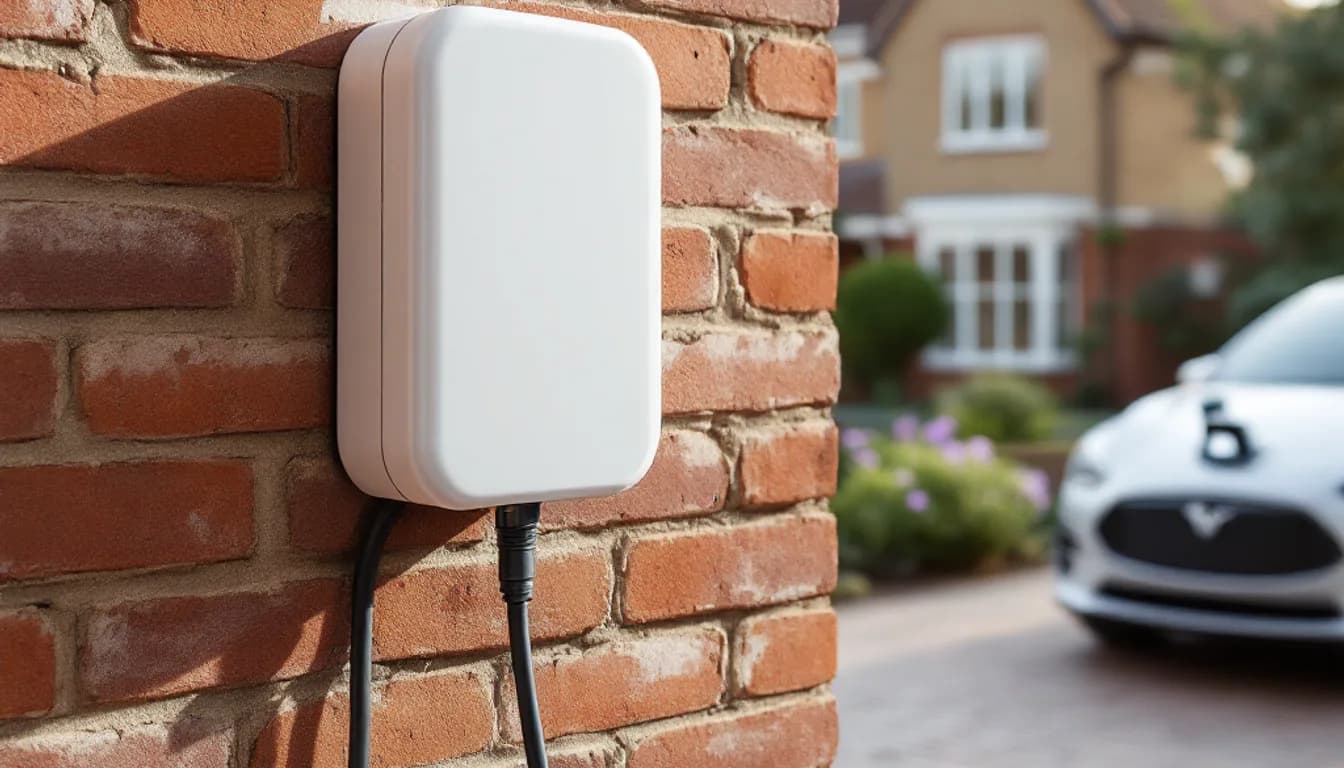
The best home EV charger for 2026, ranked by what each one is genuinely best at, from smart tariff units to solar diversion, plus how to pick the right one.
Read more
What it really costs to add plug sockets in a London home, from a simple spur to a new circuit, plus what drives the price and why it beats extension leads.
Read more
London electrician costs explained: hourly, call-out, half-day, day and emergency rates for 2026, plus how to compare quotes properly.
Read more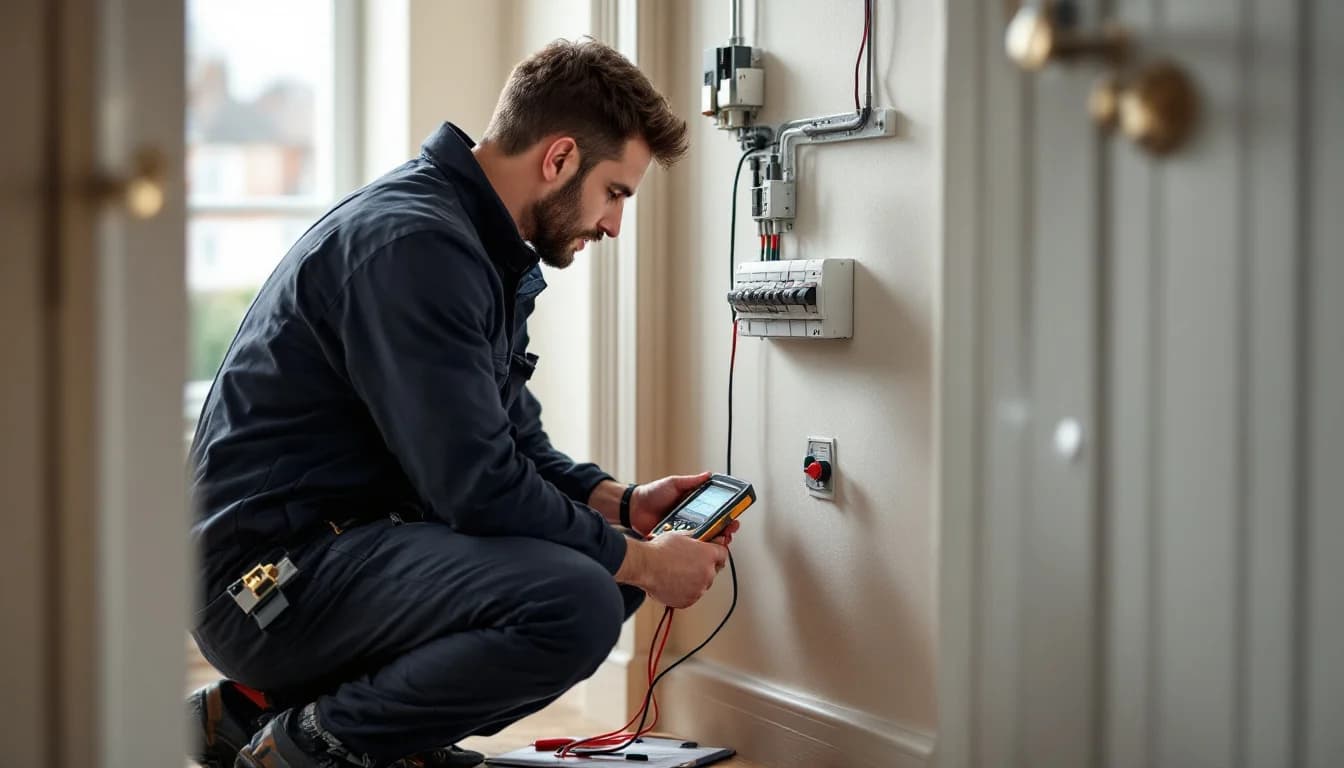
What an EICR actually costs in London, what moves the price up or down, and why every landlord is on the hook for one every five years.
Read more
Realistic London rewiring costs by property size, what changes the price, how long it takes, and the warning signs your wiring is overdue.
Read more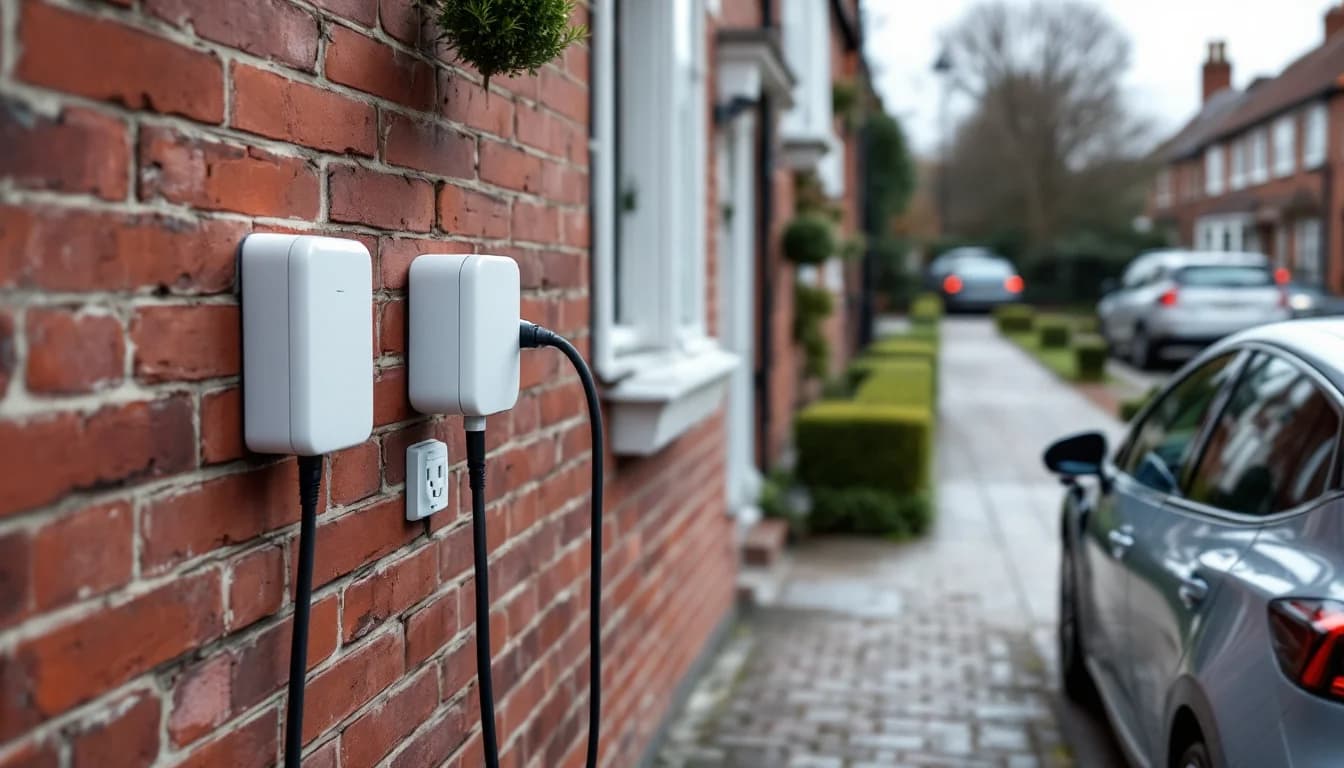
What a home EV charger costs to install in London, the £500 government grant for renters and flat owners, and what the job actually involves.
Read more
What a new consumer unit costs in London, the difference between a modern board and an old fuse box, and the signs yours needs replacing.
Read more
The real reasons a fuse box keeps tripping, how to safely track down the culprit yourself, and when to stop and call an electrician.
Read more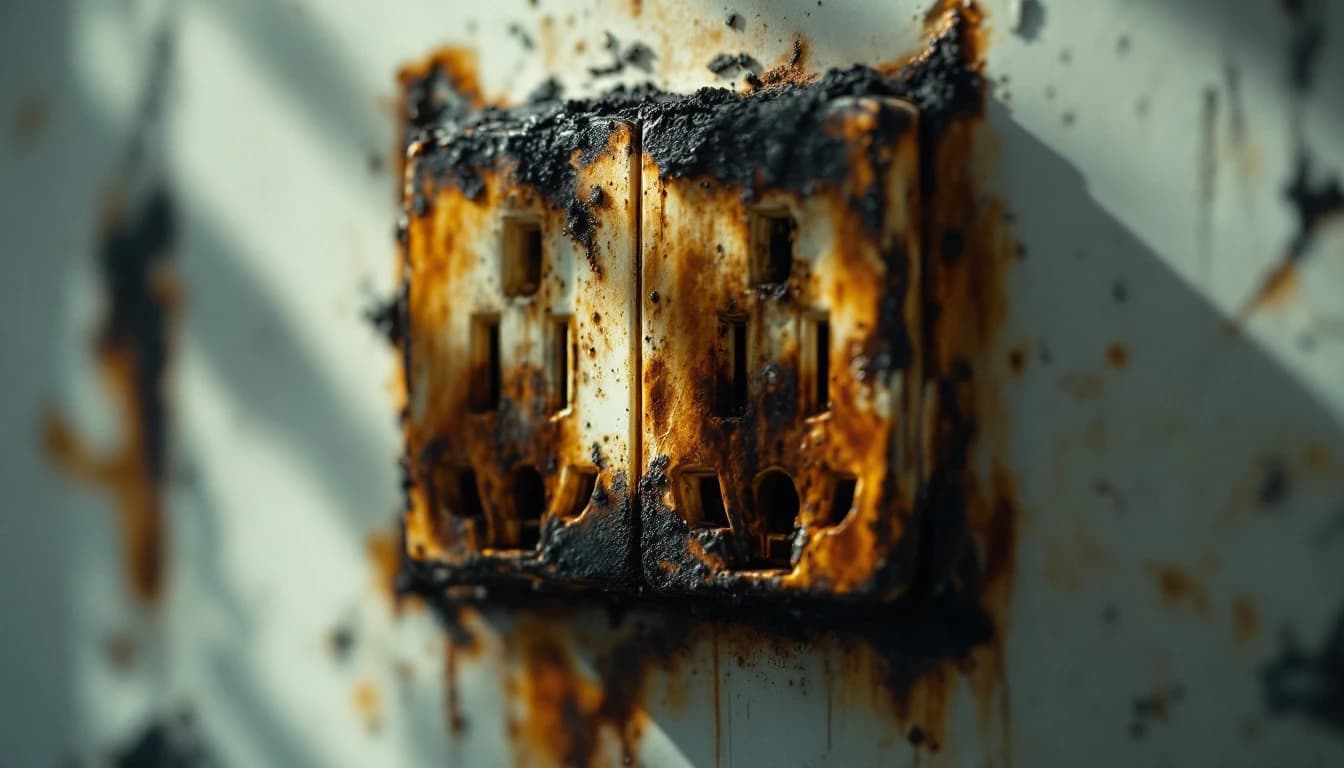
A burning smell from a socket can be an early sign of an electrical fire. Here is what to do right now and what is causing it.
Read more
What England's landlord electrical safety law requires in 2026: 5-year EICRs, the deadlines you must hit, and fines now up to £40,000.
Read more
What downlights really cost to fit in London, from per-light prices to a kitchen of six, plus the factors and fire-rating rules that affect the price.
Read more
From loose bulbs and old dimmers to a dangerous loose neutral, here are the real causes of flickering lights and when to call an electrician.
Read more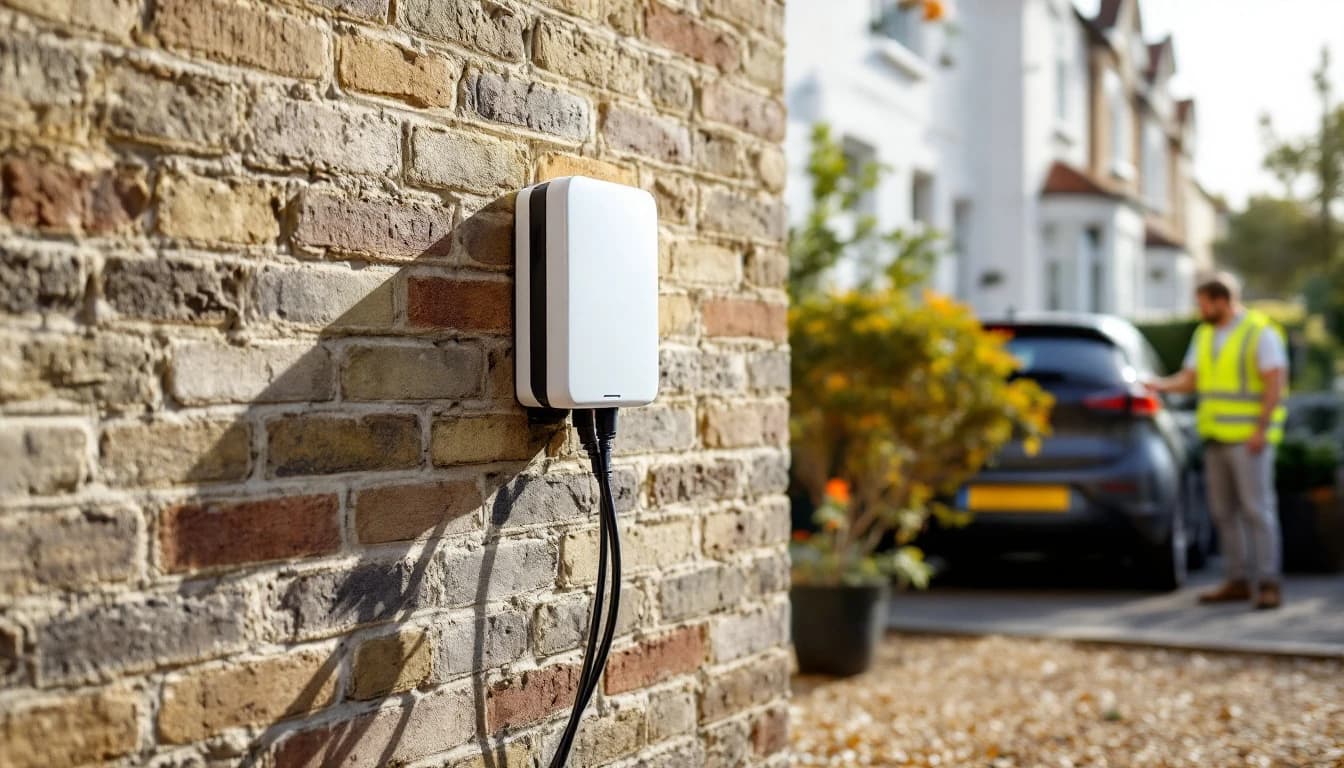
Off-street parking, board capacity, open-PEN earthing, a DNO notification and a registered installer: what a London home EV charger really needs.
Read more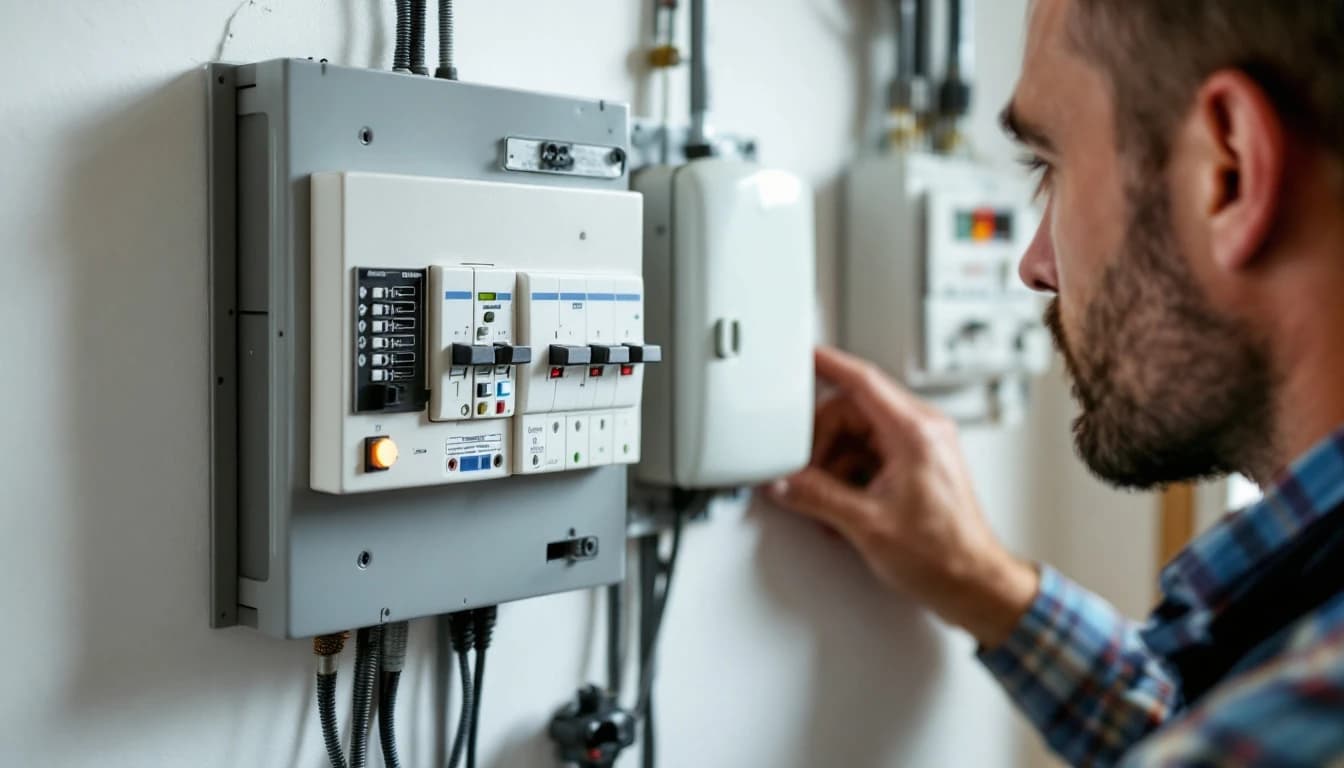
Old fuse board or modern consumer unit? London electricians explain the safety signs that mean it's time to upgrade.
Read more
The 10 warning signs a London electrician looks for to tell whether your house needs rewiring, and which signs mean turn the power off now.
Read more
An EICR is not legally required to sell a home, but London buyers, solicitors and lenders increasingly ask for one. Here is when sellers really need it.
Read more
Get in touch for a free, no-obligation quote. Same-day emergency callouts available.