
How Often Should You Get an EICR? Rules by Property Type
How often you need an EICR depends on the property. Homeowners are advised every 10 years, landlords must test every 5 years by law, businesses follow a risk cycle.

By Ali Elm
Managing Director•22 July 2026

How often should you get an EICR depends on who owns the property and how it's used. An owner-occupied home should be checked at least every 10 years. A private rented home must be checked at least every 5 years, and for landlords that one is the law. Most commercial premises sit on a 5-year cycle too, with shorter intervals for higher-risk sites.
That's the short version. The useful part is what sits underneath it, because those figures are a maximum, not a target, and a handful of things can pull your next inspection forward. Here's how it breaks down by property type, plus the triggers that mean you shouldn't wait for the date to come round.
EICR frequency at a glance
A quick reference by property type. Treat these as the longest you should leave it, not a countdown you have to run all the way down.
- Owner-occupied home: at least every 10 years. Recommended, not a legal duty.
- Private rented home: at least every 5 years. This is a legal requirement, with a valid report handed to new tenants before they move in.
- HMO (house in multiple occupation): at least every 5 years, same as any other rented home.
- Commercial or business premises: usually every 5 years, shorter for higher-risk sites.
One thing worth flagging early. Whatever the property, the report itself can set a shorter date. If the electrician finds an installation that's ageing or borderline, they can recommend a re-test in three years, or one, even when everything passes. More on that below.
How often should a homeowner get an EICR?
If you own and live in your home, there's no law forcing you to get an EICR. The advice is to have your electrics inspected at least every 10 years. That's the recommendation from the charity Electrical Safety First, which says an owner-occupied home should be checked at least every ten years.
Ten years sounds like a long stretch, and it is. Wiring doesn't fail on a schedule though. It degrades quietly. Rubber and old PVC insulation gets brittle, connections work loose behind sockets, and a fuse board fitted in the 1990s was never built for today's kitchen full of appliances.
London adds its own wrinkle. A lot of the housing here is Victorian or Edwardian, chopped into flats, part-rewired by three different people over forty years. If you've just bought a place like that and there's no paperwork, ten years is the wrong yardstick. Get it checked now and start the clock from there.
How often does a landlord need an EICR? It's the law
Landlords have the least room to interpret this. You must have the electrical installation inspected and tested at least every 5 years by a qualified person. That's not a suggestion, it's a legal duty under the Electrical Safety Standards in the Private Rented Sector (England) Regulations 2020.
The rules came in stages. New tenancies were caught from 1 July 2020, and existing tenancies from 1 April 2021. So if you've been letting a property since before then and never had this done, you're already overdue.
The regulations themselves spell out the detail: inspection at intervals of no more than 5 years, a copy of the report to each existing tenant within 28 days of the test, and a copy to any new tenant before they move in. Skip it and a local council can hit you with a financial penalty that, under regulation 11, must not exceed £30,000. Per property. That's a serious number for a piece of paper you could have sorted for a fraction of it.
Do you need a fresh EICR at every change of tenancy?
This is where a lot of guidance gets it slightly wrong. You'll often read "every 5 years or at every change of tenancy". Not quite. What the law actually requires is that you hold a valid report, no more than 5 years old, and that you give a copy to new tenants before they occupy the property.
So if your current EICR is still in date when one tenant leaves and another arrives, you don't automatically need a brand new test. You hand the new tenant the existing report. You only need a fresh one when the five years is up, or when the report told you to re-test sooner. Plenty of landlords still choose to test between tenancies anyway, which is sensible, but know the difference between what's smart and what's compulsory.
If the legal side makes your head spin, we lay it out in plainer terms in our guide to the landlord electrical safety certificate rules, and our rental compliance service cover the whole compliance side, EICRs, remedial work, alarms and all. For what it typically costs, see our breakdown of EICR pricing for landlords rather than us guessing a figure here.
How often should a business get an EICR?
Commercial is less black and white, but the legal backbone is real. Under the Electricity at Work Regulations 1989, electrical systems must be maintained so as to prevent danger, so far as is reasonably practicable. A periodic EICR is how a business shows it's meeting that duty. There's no single fixed number in law, so the interval comes down to the type of premises and the risk.
Industry guidance in BS 7671 and the IET's recommendations set out typical maximum intervals. As a working rule:
- Offices and shops: around every 5 years, or at change of occupancy.
- Industrial units and workshops: around every 3 years, because of heavier loads and wear.
- Higher-risk environments: as often as annually. Think swimming pools, commercial kitchens, or anywhere with damp, heat or heavy machinery.
The safest approach for a business is to treat the interval as risk-led, not calendar-led. A quiet office and a busy restaurant kitchen shouldn't be on the same schedule. If you're not sure where your site sits, our commercial electrician team can look at the setup and set a sensible re-test date rather than defaulting to five years for everything. Fixed installations aside, portable equipment is a separate job covered by PAT testing.
When you shouldn't wait for the next date
The frequency figures assume nothing changes. Real buildings aren't like that. Here are the moments to bring an inspection forward, whoever you are:
- You've just bought the property. Unless you've got a recent satisfactory EICR from the seller, start fresh. You don't know how the last owner treated the wiring.
- You've had building work. An extension, a loft conversion, a new kitchen or a rewire changes the installation. Get it checked once the dust settles.
- You've fitted a new consumer unit. A fuse board upgrade is a good moment to confirm the rest of the circuits are healthy too, not just the board.
- Something's gone wrong. Breakers that keep tripping, a burning smell, scorched sockets, flickering lights. Don't wait for a routine inspection, get the fault traced and fixed now.
- The installation is old or you've no records. If the wiring looks decades old, or there's simply no paperwork, the calendar rule doesn't apply. Assume it needs looking at.
- There's been water damage or flooding. Water and electrics don't forgive. Any significant ingress warrants a check before you rely on those circuits again.
How long is an EICR valid for?
An EICR doesn't have a fixed expiry the way an MOT does. It's valid until the recommended date for the next inspection printed on the report, and that date is set by the electrician who tested it. For rented homes the outer limit is 5 years, but the report can specify sooner.
This catches people out. You can get a satisfactory result and still see a next-inspection date of three years, or one, rather than the full five or ten. That's the electrician's call based on the age and condition of the installation. A tidy modern install in a new flat might get the full interval. A tired one that scraped a pass might not.
So the honest answer to "how long is my EICR valid" is: look at the date on your own report. That's the number that matters, not the general rule. If you're mid-way through selling and a buyer's solicitor asks about it, we cover that scenario in our piece on whether you need an EICR to sell your house.
Frequently asked questions
Is an EICR a legal requirement for homeowners?
No. If you own and live in your home, an EICR is recommended, not required. Electrical Safety First advises a check at least every 10 years. The legal duty applies to landlords, not owner-occupiers.
How long is an EICR valid for?
Until the recommended next-inspection date on the report, which the electrician sets. For rented homes it can be no longer than 5 years. A satisfactory report can still ask for a shorter interval if the installation is ageing.
Do I need a new EICR every time I get new tenants?
Not if your current report is still valid. The law requires a report no more than 5 years old, and that you give new tenants a copy before they move in. If yours is in date, you supply the existing one rather than paying for a fresh test.
How often should a commercial property have an EICR?
Usually every 5 years for offices and shops, roughly every 3 years for industrial units, and as often as annually for higher-risk sites like pools or commercial kitchens. The interval is risk-based under the Electricity at Work Regulations 1989.
What happens if my EICR comes back unsatisfactory?
An unsatisfactory result means the installation has faults coded C1 or C2, or a limitation that needs attention. For landlords, remedial work has to be carried out and confirmed. For everyone else it's a strong signal to get the issues fixed before they cause harm.
Do I need an EICR to sell my house?
It isn't legally required to sell an owner-occupied home, but buyers and their solicitors increasingly ask for one. A recent satisfactory report can smooth the sale and head off last-minute price haggling.
Based anywhere in London and want this booked properly? See our EICR and electrical certificates service, or call us on 020 3653 2600 for a straight answer and a fixed quote before any work starts.
Related reading
Which Electrical Certificate Do You Actually Need?
EIC, Minor Works and EICR are three different documents for three different jobs. Here is which one your electrician should hand you, and when.
Read more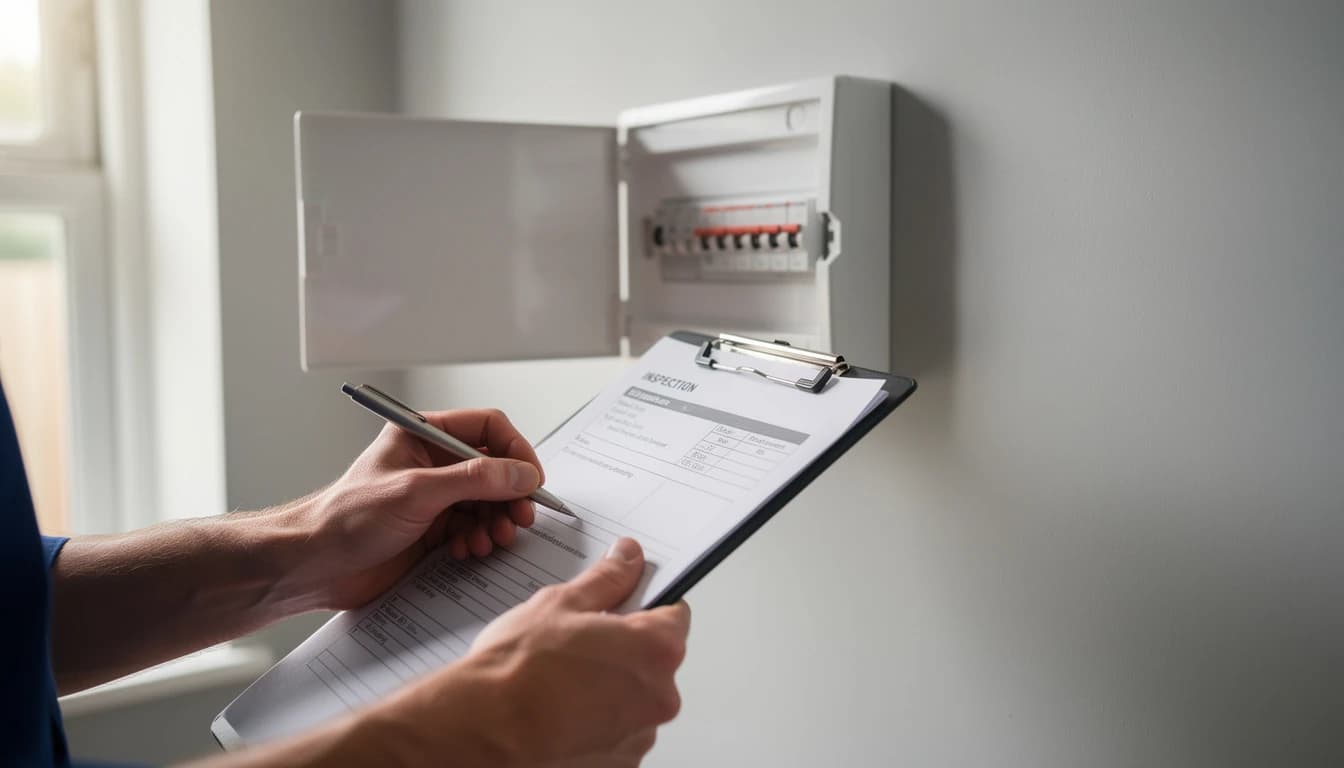
EICR Codes Explained: What C1, C2, C3 and FI Mean
Your EICR came back with codes against it. Here is what C1, C2, C3 and FI actually mean, which ones make a report unsatisfactory, and what you have to fix.
Read more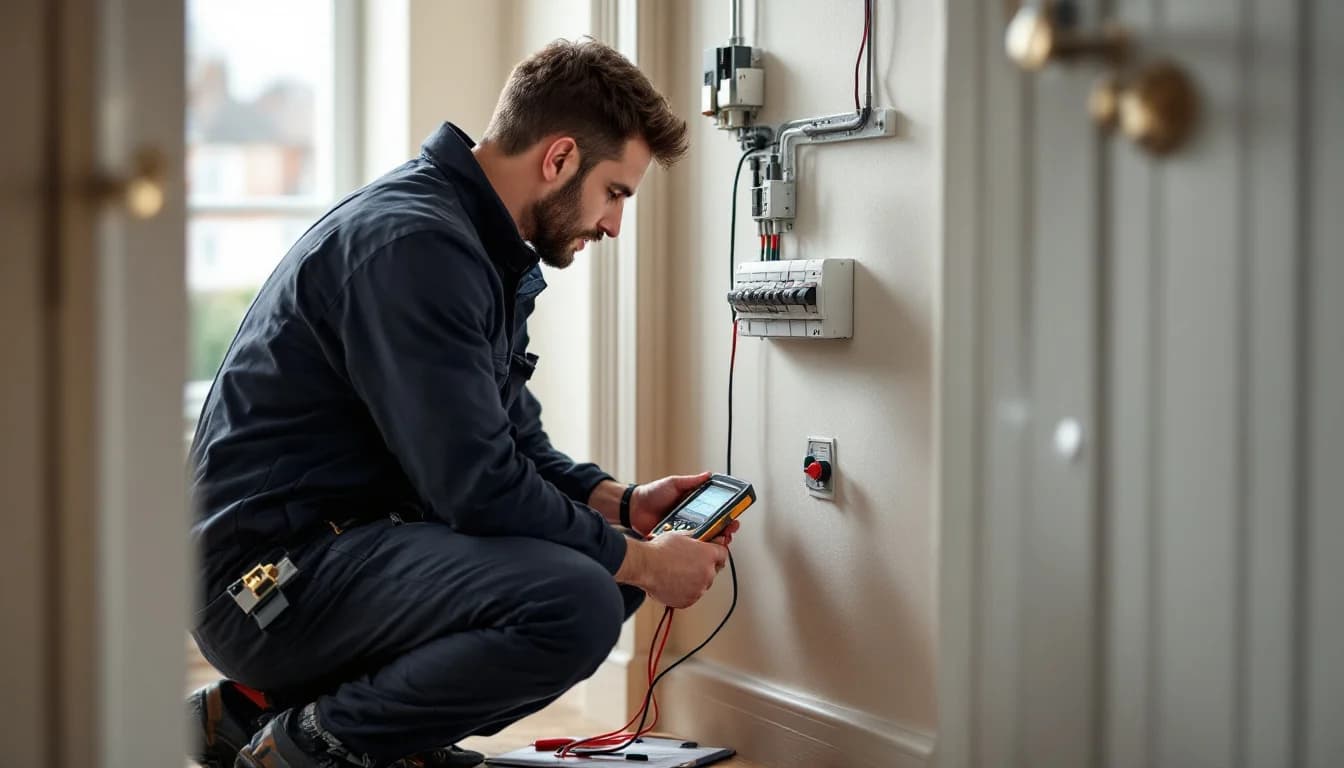
EICR Cost in London: What Landlords Pay and Why It Matters
What an EICR actually costs in London, what moves the price up or down, and why every landlord is on the hook for one every five years.
Read more