
AFDDs and Surge Protection: What Modern Fuse Boxes Need
Arc fault detection and surge protection are the two devices changing what goes in a consumer unit. Here is what each does and whether your board needs them.

By Mo Elm
Lead Engineer•29 July 2026
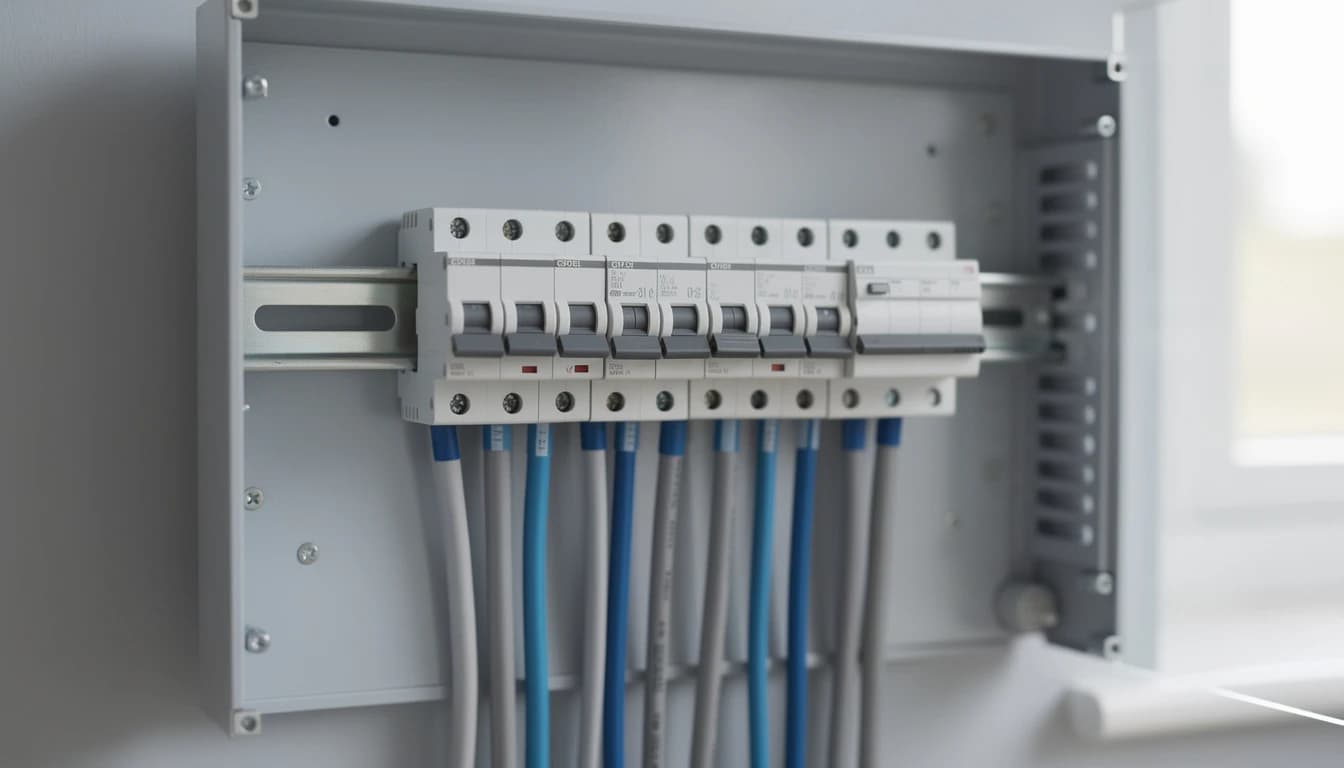
An AFDD detects arcing, the sparking at a loose or damaged connection that starts fires. An SPD protects your wiring and appliances from voltage spikes, whether from lightning or from switching on the network. Neither device is in most existing London consumer units, and both are now part of what the wiring regulations expect on new work.
If you're replacing a board this year, these two will appear on your quote and probably add a few hundred pounds. Here's what they actually do, and where they're genuinely worth the money.
The gap AFDDs were invented to fill
Your existing protective devices are blind to a specific and dangerous fault.
An MCB watches for too much current, an overload or a short circuit. An RCD watches for current leaking to earth. A loose terminal in a socket back box that's quietly sparking away behind the skirting board produces neither. Current is normal, nothing is leaking to earth, and every device in your board is perfectly happy while the connection cooks.
That sparking is arcing. The IET describes arcs as "visible plasma discharges caused by electrical current passing through a normally nonconductive medium, such as air", and an arc at a loose screw terminal can reach temperatures that ignite the surrounding plastic and timber.
An AFDD closes that gap. According to the IET's guidance on arc fault detection devices, they "use microprocessor technology to analyse the waveform of the electricity being used to detect any unusual signatures which would signify an arc on the circuit". It's pattern recognition, not current measurement, which is why the device has to be clever enough to ignore the harmless arcing from a light switch or a vacuum cleaner motor.
If you want the background on the devices you already have, our comparison of MCBs, RCDs and RCBOs covers what each one is watching for.
What the regulations say about AFDDs
Amendment 2 to BS 7671 turned AFDDs from a suggestion into a requirement for certain circuits. The IET's own write-up of the change quotes Regulation 421.1.7 as requiring you to "protect final circuits supplying socket-outlets and fixed current-using equipment with a rated current not exceeding 32 A by arc fault detection devices (AFDDs)".
The requirement is aimed at higher-risk premises, the ones where people sleep and where escape is harder. Houses in multiple occupation, purpose-built student accommodation and care homes are the categories that come up most in London. For other premises, including ordinary owner-occupied houses, AFDDs are recommended rather than required.
Worth being straight with you: the scope has been adjusted across successive amendments, so if you're specifying a job, confirm the current position against the edition in force rather than against a blog post, ours included. The IET publishes the standard and it's the only authority that counts.
Surge protection, and what it's really guarding
A transient overvoltage is a spike lasting microseconds. A lightning strike a mile away induces one on the network. So does a large motor shutting down at an industrial unit nearby, or a switching operation at a substation.
Your appliances don't fail dramatically. They fail a bit at a time. A boiler PCB that dies eighteen months early, a run of LED drivers that start flickering, a router that goes unreliable. People replace the item and never connect it to the supply.
The IET's summary of the Amendment 2 changes sets out the trigger in Regulation 443.4.1: protection against transient overvoltages is required where the consequences could result in "(i) serious injury to, or loss of, human life; or (ii) significant financial or data loss". For installations that aren't dwellings, the article notes that "a risk assessment has to be performed to determine if protection against transient overvoltages is required".
Read that second limb again, because it catches more homes than people assume. Significant financial or data loss covers a home office with the only copy of your business records on a desktop machine. It covers a flat full of connected heating and security kit. It's not just hospitals.
The three SPD types
- Type 1: for buildings with a lightning protection system, fitted at the origin to handle a direct strike.
- Type 2: the common one, fitted in the consumer unit to deal with surges arriving along the supply.
- Type 3: fitted close to sensitive equipment, working alongside a Type 2 rather than instead of it.
A domestic board in London almost always means a Type 2. It takes up two or three module widths, so a full board sometimes needs a larger enclosure to fit one, which is worth knowing before the quote surprises you.
The October 2026 date you should know about
The wiring regulations moved again this year. Amendment 4 to BS 7671 was published by the IET and BSI on 15 April 2026, and the IET states the previous version remains valid until 15 October 2026.
Amendment 4 is a substantial update. It brings in a new chapter on stationary secondary batteries for energy storage, a new section covering Power over Ethernet, a section on functional earthing and equipotential bonding for ICT equipment, and a significant revision of the requirements for medical locations.
For a homeowner, none of that changes what's in your kitchen. What it does mean is that any board installed after the transition ends will be certified against the new edition, and battery storage in particular now has requirements that didn't exist when most London installers last did a course.
Do you actually need either one?
An honest answer rather than a sales one.
An SPD is usually worth it. It's a modest addition on top of a board replacement, it's fitted once, and it quietly protects everything downstream. If you work from home or have a lot of connected equipment, it's an easy call.
AFDDs need more thought. They cost considerably more per circuit than an RCBO, and in a straightforward owner-occupied house with sound wiring they're a recommendation, not a duty. Where we'd push for them: rented HMOs, any property with sleeping accommodation above a commercial unit, homes with older wiring that isn't being replaced yet, and anywhere with a timber-framed structure.
Where we wouldn't: a recently rewired flat where the budget is better spent on getting every circuit onto its own RCBO first.
For a sense of the base cost before either device is added, our guide to consumer unit replacement costs has the numbers, and our look at consumer unit brands covers which manufacturers do AFDDs well.
What this means at the point of quoting
Ask your electrician to price the board three ways: with an SPD, with AFDDs on the socket circuits, and with neither. Seeing the actual difference makes the decision much easier than debating it in the abstract.
Be wary of two things. A quote that includes AFDDs on every circuit including lighting is usually more than the regulations ask for. A quote that includes neither, with no conversation about it, suggests the assessment wasn't done. Both are worth a question.
If your board is old enough that this is all academic, start with our post on whether your fuse board is safe, then get it looked at.
Frequently asked questions
Do I legally have to fit AFDDs in my house?
In an ordinary owner-occupied home in England, no. BS 7671 requires them for socket-outlet circuits up to 32A in specified higher-risk premises and recommends them elsewhere. The regulations apply to new work, so an existing compliant board doesn't become illegal.
Will an AFDD replace my RCD?
No. They watch for different things. Combined devices exist that provide arc fault detection, earth leakage and overcurrent protection in one module, which is usually the sensible route when space in the board is tight.
How much does a surge protection device add to a board replacement?
Typically £80 to £200 as a market range for the device and the labour, assuming the board has room for it. If your enclosure is full, the cost is really about the larger board rather than the SPD.
Does home insurance require surge protection?
Not as standard. Some policies do exclude or limit claims for surge damage, so it's worth reading your wording before deciding. An SPD is generally cheaper than one replaced boiler control board.
Will AFDDs cause nuisance tripping?
Early generations had a reputation for it. Current devices are much better at telling a genuine series arc apart from the normal arcing of a switch or a brushed motor. If one does trip repeatedly, treat it as a real finding and get the circuit investigated rather than replacing the device.
Can I add an SPD to my existing consumer unit without replacing it?
Sometimes. It needs a spare way, a compatible busbar and adequate protection upstream. On a plastic board that's already due for replacement, spending money on a retrofit rarely makes sense.
Thinking about a new board and want an honest view on what's worth fitting? See our consumer unit upgrade service or call 020 3653 2600. We'll look at your property, tell you which of these you'd actually benefit from, and quote all of it as a fixed price.
Related reading
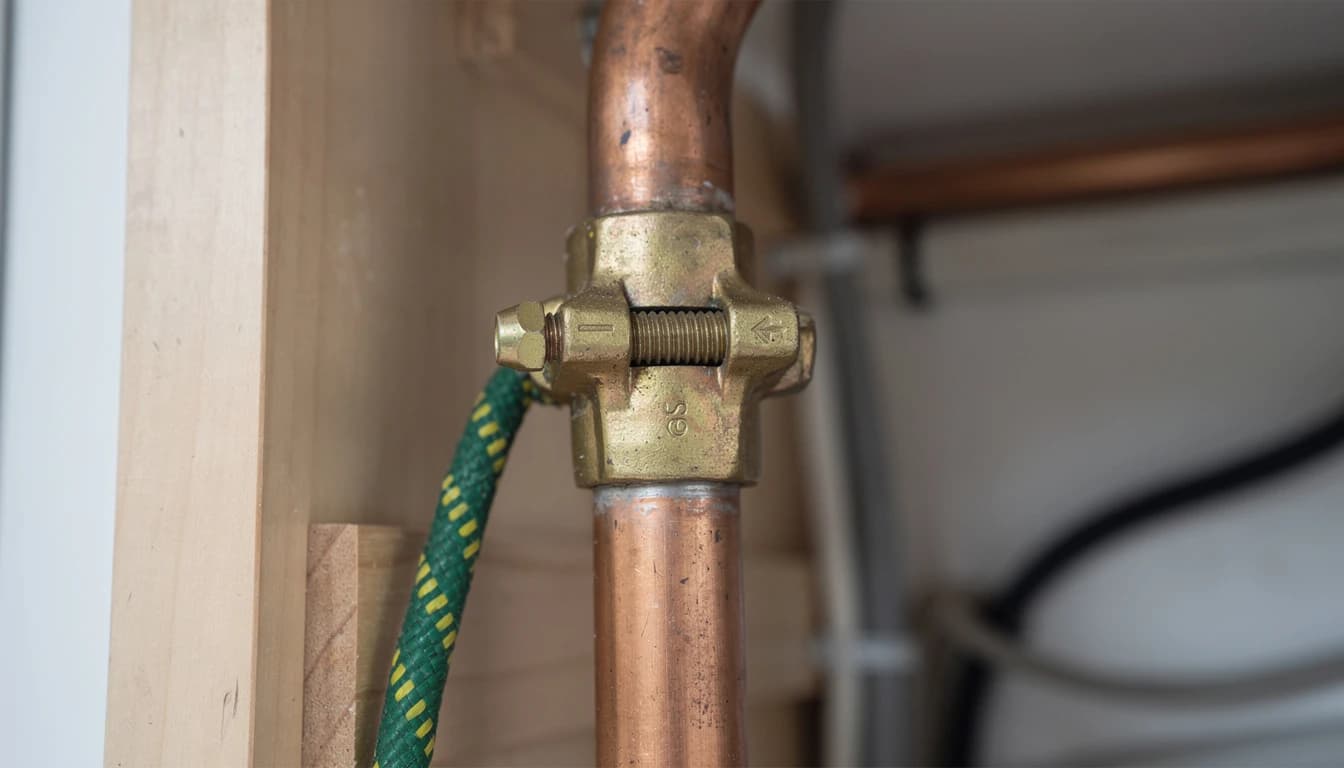
Earthing and Bonding Explained: What Yours Should Look Like
Earthing and bonding do two different jobs and both get flagged on inspections. Here is what each one is, what good looks like, and why yours may be missing.
Read more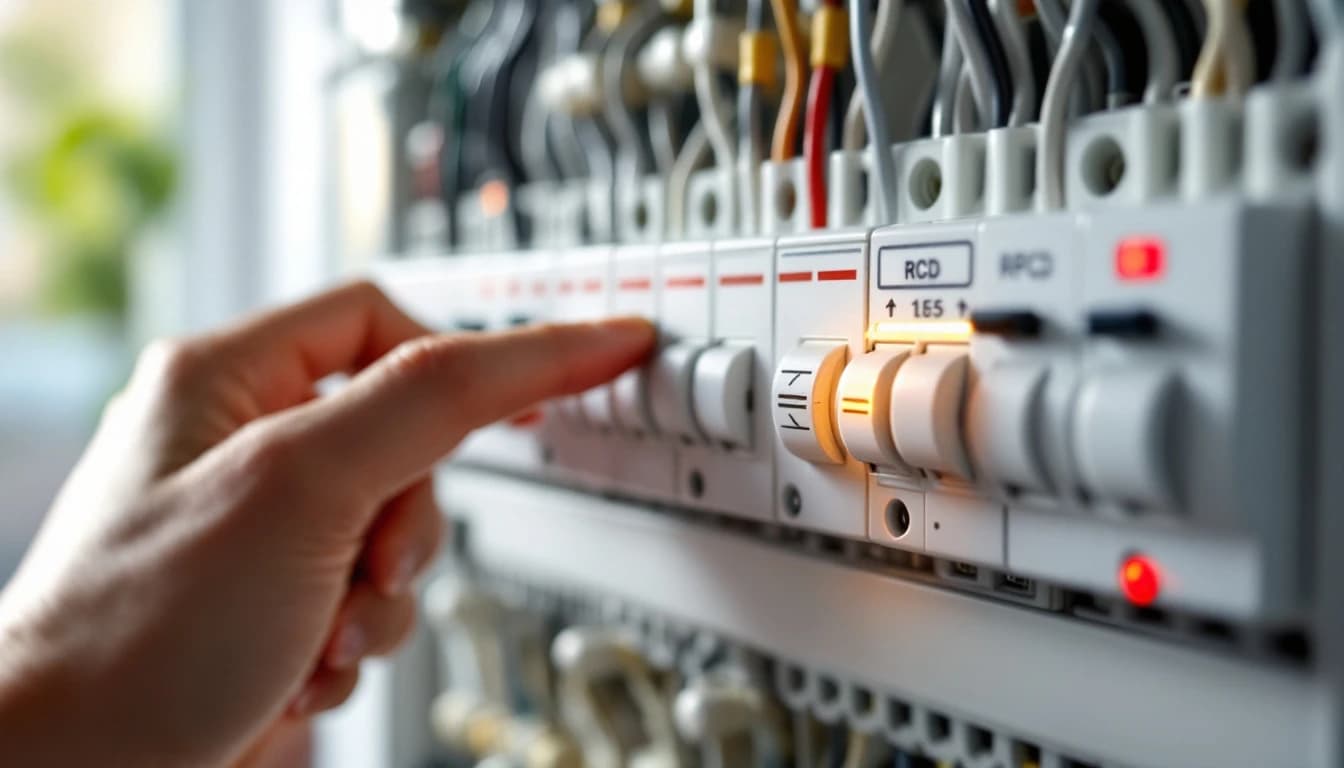
MCB vs RCD vs RCBO: What's Actually in Your Fuse Box
MCB, RCD or RCBO? Here's what each switch in your consumer unit does, how to spot which one you've got, and why one of them keeps tripping. Plain advice from London electricians.
Read more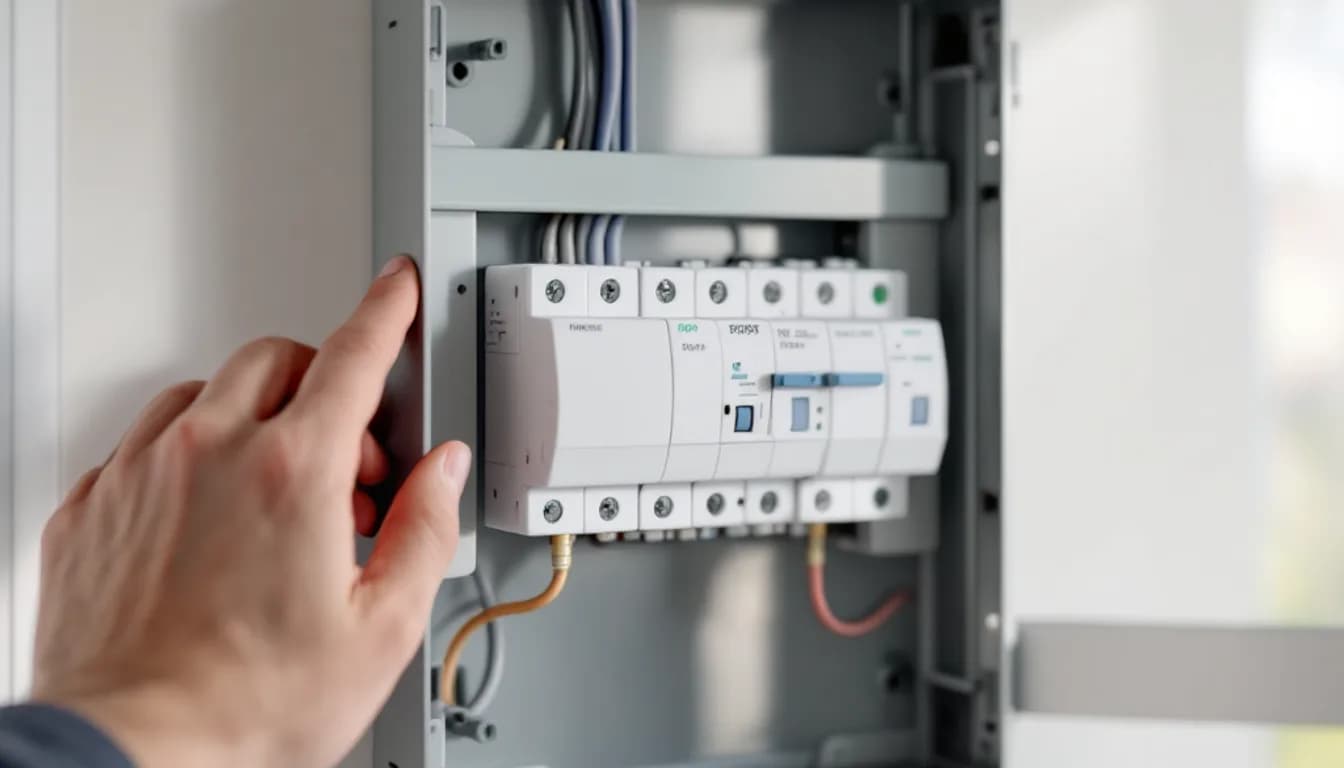
The Best Consumer Unit Brands in the UK (2026 Compared)
The leading UK consumer unit brands for 2026 compared, from Hager and Wylex to Fusebox and MK, plus what actually matters more than the badge: metal, RCBO and SPD.
Read more