
Ceiling Fan Installation: Fixing, Wiring and Costs Explained
Swapping a pendant for a ceiling fan is a half day job when the fixing and wiring are right. Here's what a proper ceiling fan installation involves, and what it costs.

By Yousif Al-Imari
Senior Engineer•8 October 2026
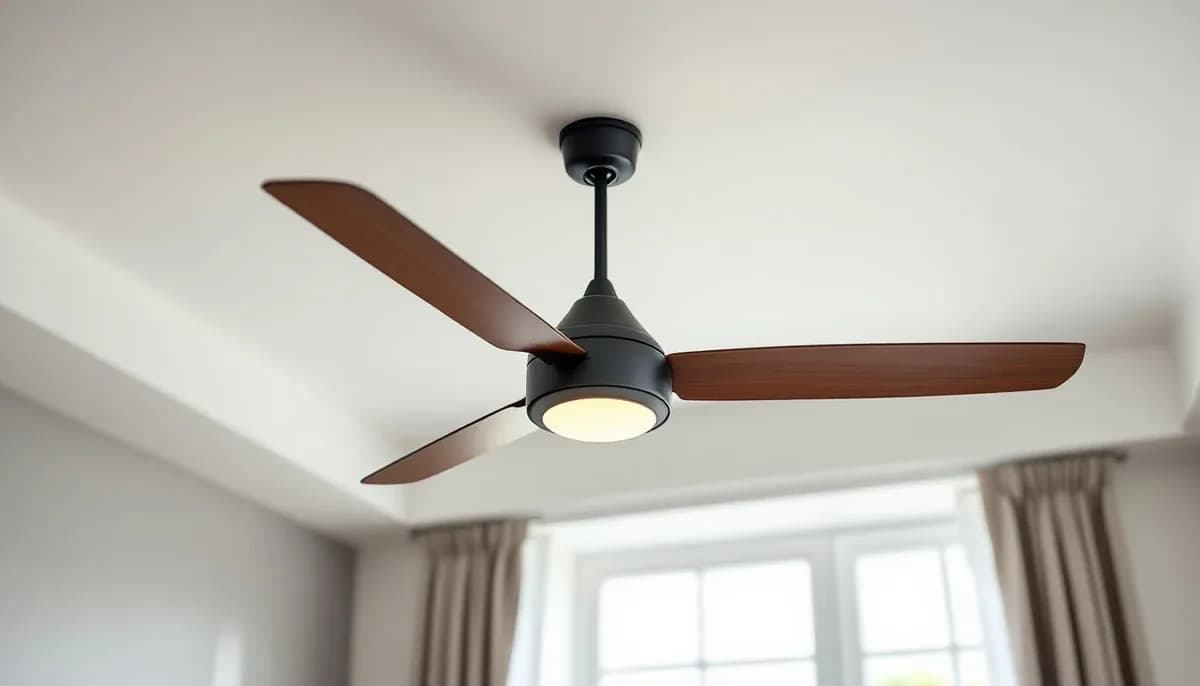
Yes, you can swap a bedroom or living room pendant light for a ceiling fan, and in most London homes it is a half day job. Two things decide how straightforward yours will be: the fixing, because a fan cannot hang off an ordinary ceiling rose, and the height, because the blades need to end up at least about 2.1 metres off the floor. As a rough guide, labour for a simple swap runs around £100 to £200 at typical UK market rates.
We recently took a long strip light down from a London kitchen ceiling and put up a five-blade ceiling fan with a built-in LED light in its place. The questions beforehand were the ones everyone asks: will the ceiling hold it, and can the existing wiring run it? Fair enough. So here is what is actually involved.
Why a fan cannot just hang off the ceiling rose
This is the bit that goes wrong most often, and it is the bit that matters most.
A standard pendant rose is held to the ceiling with two small screws, usually into a plastic anchor in the plasterboard or a timber pattress, and it is designed to carry the weight of a light fitting that never moves. A kilogram or two, hanging still.
A ceiling fan is a different animal. A typical bedroom fan weighs 6 to 12 kilograms, and it rotates. That rotation introduces vibration and a constant slight wobble that works fixings loose over months. The big manufacturers specify a fan-rated fixing for exactly this reason: Hunter, one of the largest fan makers in the world, requires the mounting point to be fixed to a joist or structural member, not just the ceiling covering. Hang a fan off the old rose screws and it may hold for a year. Then one hot night it doesn't.
So a proper ceiling fan installation means one of three fixings:
- Directly into a joist. The ideal. We locate the joist, usually from the loft above or with a detector and a pilot hole, and screw the fan's mounting bracket straight into solid timber.
- A timber pattress or brace between joists. When the fan needs to sit where no joist runs, we fit a support across two joists from above and fix into that.
- Rated anchors into concrete. Common in purpose-built London flats with concrete ceilings. Proper expanding anchors into the slab, never the plaster screed.
Lath and plaster ceilings, which half of Victorian and Edwardian London still has, are the awkward ones. You cannot fix into lath, and you cannot always see the joists. That usually means going in from the room above or the loft, which is where the job stops being a quick swap.
Height and clearance: will a fan actually fit your room?
Before you buy anything, measure your ceiling height. This rules more rooms out than any wiring issue.
Manufacturer guidance from the big makers is consistent on the minimum: blades at least 7 feet from the floor, which is about 2.13 metres, and roughly 30 inches (76cm) from the nearest wall or obstruction. For the fan to actually move air well, it wants to sit a bit higher than the minimum, around 2.3 to 2.4 metres off the floor is the sweet spot the UK specialists quote.
Now the awkward maths for London. A standard modern ceiling is 2.4 metres. A flush-mounted fan body drops the blades roughly 20 to 25cm below that, putting them around 2.15 to 2.2 metres up. Just legal, but only just. Plenty of conversions and ex-council flats sit at 2.3 metres, and then a flush mount is borderline.
High ceilings cause the opposite problem. A Victorian terrace at 2.8 metres or more leaves the blades so high you barely feel the airflow, and the answer there is a drop rod, which every large manufacturer sells as an accessory. The rod brings the fan down to its working height and the wiring runs up inside it.
The low-ceiling flat problem, and what to choose instead
If your ceiling is under about 2.35 metres, your options narrow fast:
- A flush-mount or "hugger" fan with no drop rod, specifically sold for low ceilings. Short blades, tight canopy, blades as close to the ceiling as the design allows.
- A low-profile DC motor fan. Newer DC models are slimmer and quieter than the old AC designs and several are made for rooms under 2.4 metres.
- Honestly, sometimes no fan at all. If you cannot get the blades above the manufacturer's minimum, we will tell you not to fit one. A fan you can touch on tiptoes is a fan someone eventually touches. In that room a quiet tower fan, or a conversation about fixed air conditioning, is the better answer.
Swapping a pendant for a ceiling fan with a light
The good news: the wiring at a pendant point is usually enough. A ceiling rose in the UK typically has the circuit's loop-in, loop-out and switch wires all present, so a fan with a light can often connect using the existing switch line and run both fan and light from the one wall switch, with pull cords on the fan to control them separately.
Everything on the circuit still has to be terminated and tested to BS 7671, the national standard for electrical installations in the UK, and we test the circuit before and after, not just connect and hope. The job itself, once the fixing is sorted, is tidy: old rose down, bracket up, fan body on, blades and light kit fitted, connections made, tested, done.
Where it grows is when you want more control than one switch gives you, which brings us to wiring.
Wiring and control options
How you switch the thing changes what cable needs to exist, so decide before anyone drills.
- Pull cords on the fan. Simplest. One wall switch powers the whole unit, cords on the fan toggle the light and step the fan speed. No new wiring at all in most cases.
- Remote control. A receiver hides in the canopy and a handset runs light, speed and often a reverse direction for winter. This is the most popular option we fit, because it needs no extra cable and no chasing of walls.
- Separate wall switches for fan and light. The neat, hotel-style answer, but it needs a second switched live at the ceiling. If your rose only has the standard twin and earth, that means running a new cable down to the switch, which means lifting floorboards or chasing the wall.
- A wall controller or smart switch. Some fans take a dedicated wall panel in place of the remote. If your switch back box has no neutral, which is common in older London wiring, our post on smart light switches with no neutral wire explains what works and what doesn't.
My honest recommendation for a bedroom: fan with a light, wall switch as the master, remote for everything else. Nobody wants to cross a dark room and grope for a pull cord at 2am.
Can you have a ceiling fan in a bathroom?
Sometimes, but the room decides, not the fan catalogue. Bathrooms are divided into electrical zones by how close a fitting is to the bath or shower, and each zone demands a minimum water protection rating. Most ordinary ceiling fans are IP20, designed for dry rooms, and are not suitable anywhere near a shower. Our guide to bathroom electrical zones sets out where each zone starts and what rating it needs.
A fan with a proper IP rating for the zone can go in, and a fan in a big bathroom, well outside the zones, is genuinely lovely after a hot shower. The other wrinkle is notification: the government lists "change electrics near a bath or shower" among the jobs that need building regulations approval, so bathroom fan work has to be done and certified by someone who can self-certify. More on that below.
Is ceiling fan installation notifiable under Part P?
Part P is the section of the Building Regulations covering electrical safety in dwellings in England. For a straightforward fan swap in a bedroom or living room, the answer is usually no. Replacing a light fitting on an existing circuit, in a room that is not a special location, is non-notifiable work.
It becomes notifiable when the job involves a new circuit, or work in a special location such as a bathroom near the bath or shower. The practical route is simple either way: use an electrician registered with a competent person scheme and you don't need a separate building control application, because the scheme member certifies and notifies the work for you. We have a fuller explainer on Part P building regulations if you want the detail.
What ceiling fan installation costs, and what pushes it up
We don't publish fixed prices here because every ceiling is different, but as a rough guide at typical UK market rates, not our quote:
- Simple like-for-like swap, solid fixing already available, existing wiring reused: roughly £100 to £200 labour.
- New fan where a pendant was, joist fixing fitted, standard controls: roughly £150 to £300 labour.
- Complex jobs, new cable for separate switching, no joist where the fan needs to sit, very high ceilings: £300 and up.
- The fan itself is on top: anything from £60 for a basic white fan to £300 or more for a quiet DC model with a light and remote.
The things that genuinely push a price up, in the order we see them: no joist near the wanted position, so a brace has to go in from above; no loft or room access above, which turns finding the joist into detective work through lath and plaster; a new switch drop for separate fan and light switching; and high or vaulted ceilings that need scaffold towers or long drop rods. For comparison, our post on the cost to install downlights shows the same pattern, the fitting is rarely the expensive part, access is.
Whoever quotes you, ask two questions. How is the fan being fixed, and who is certifying the work. A registered firm will answer both in one breath, because scheme members like NICEIC contractors are regularly assessed against the relevant standards and can certify notifiable work as they go. Then get a fixed quote in writing before anyone starts.
Frequently asked questions
Can I replace a light fitting with a ceiling fan myself?
You can legally do like-for-like electrical work in your own home in England, but a fan is a poor DIY choice. The fixing has to carry a moving load many times heavier than a pendant, and getting that wrong means a fan coming down, not a bulb flickering. The wiring side is simple; the fixing side is where people get hurt.
Do I need an electrician to install a ceiling fan in the UK?
Not by law for a simple swap in a dry room, but yes in practice for almost everyone, because the fan-rated fixing and the testing are the skilled parts. In a bathroom, or if a new circuit is involved, use a registered electrician so the work is certified under Part P.
What is the minimum ceiling height for a ceiling fan?
Big manufacturers set the minimum at about 2.1 metres from floor to blade. With a flush-mount fan that means a ceiling of around 2.35 metres or more. Below that, look at low-profile hugger models, or accept that room wants a different cooling answer.
Can a ceiling fan go where there is no joist?
Yes, but the fix has to be engineered: a timber brace fitted between the two nearest joists from above, or rated anchors into a concrete slab. What it cannot do is hang from plasterboard, lath, or the old rose screws.
Can I have separate switches for the fan and the light?
You can, and it is the tidiest setup to live with, but it needs a second switched live at the ceiling point. In older London wiring that cable usually doesn't exist, so it means running a new one, which is why most people choose a remote instead.
Is fitting a ceiling fan notifiable under Part P?
A straight swap on an existing circuit in a bedroom or living room, no. Work near a bath or shower, or a new circuit, yes. Either way, a competent person scheme member handles the paperwork as part of the job.
Want a fan fitted properly before next summer, with a fixing you never have to think about? See our lighting installation service or call us on 020 3653 2600. We'll check your ceiling, tell you honestly whether the room can take a fan, and give you a fixed price before anything comes down.
Related reading
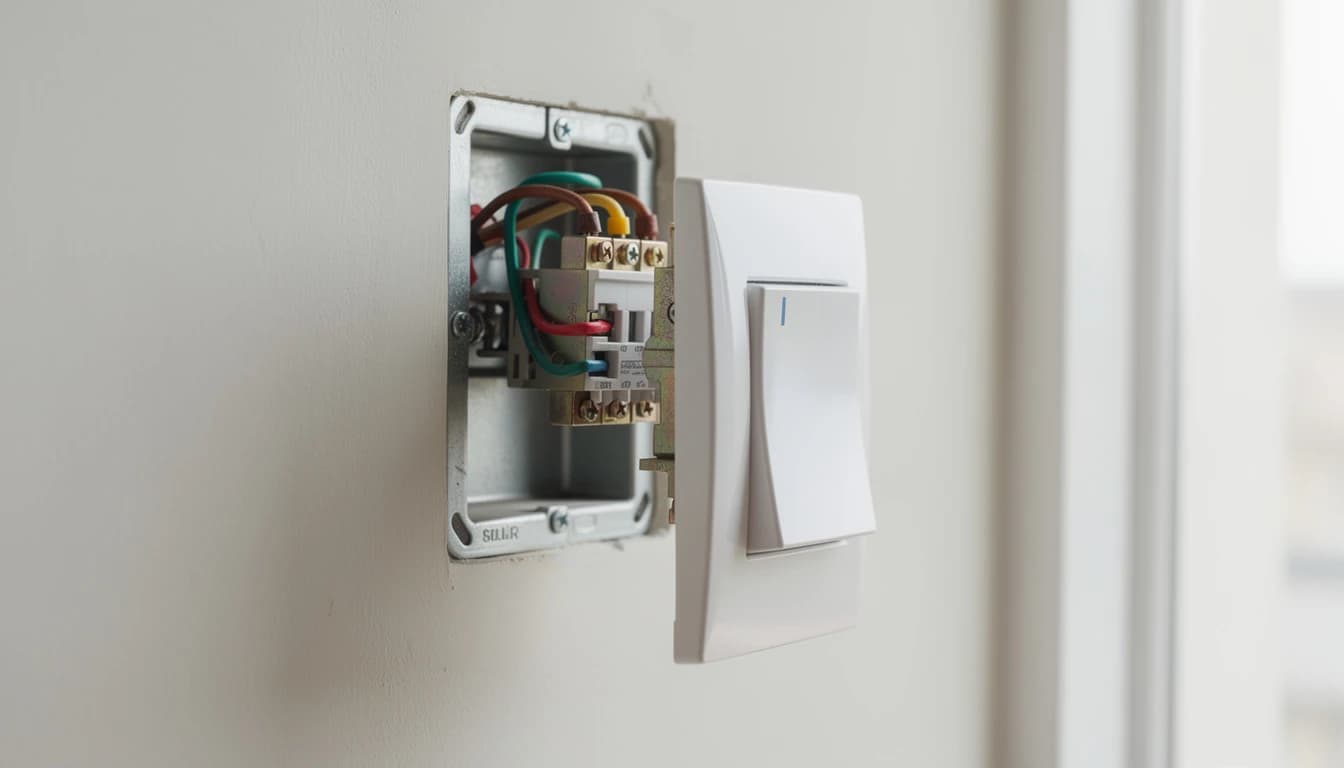
Smart Light Switches and the Missing Neutral Wire
Most UK light switches have no neutral, which is why smart switches fail. Here are the four ways round it and which one suits your house and your lights.
Read more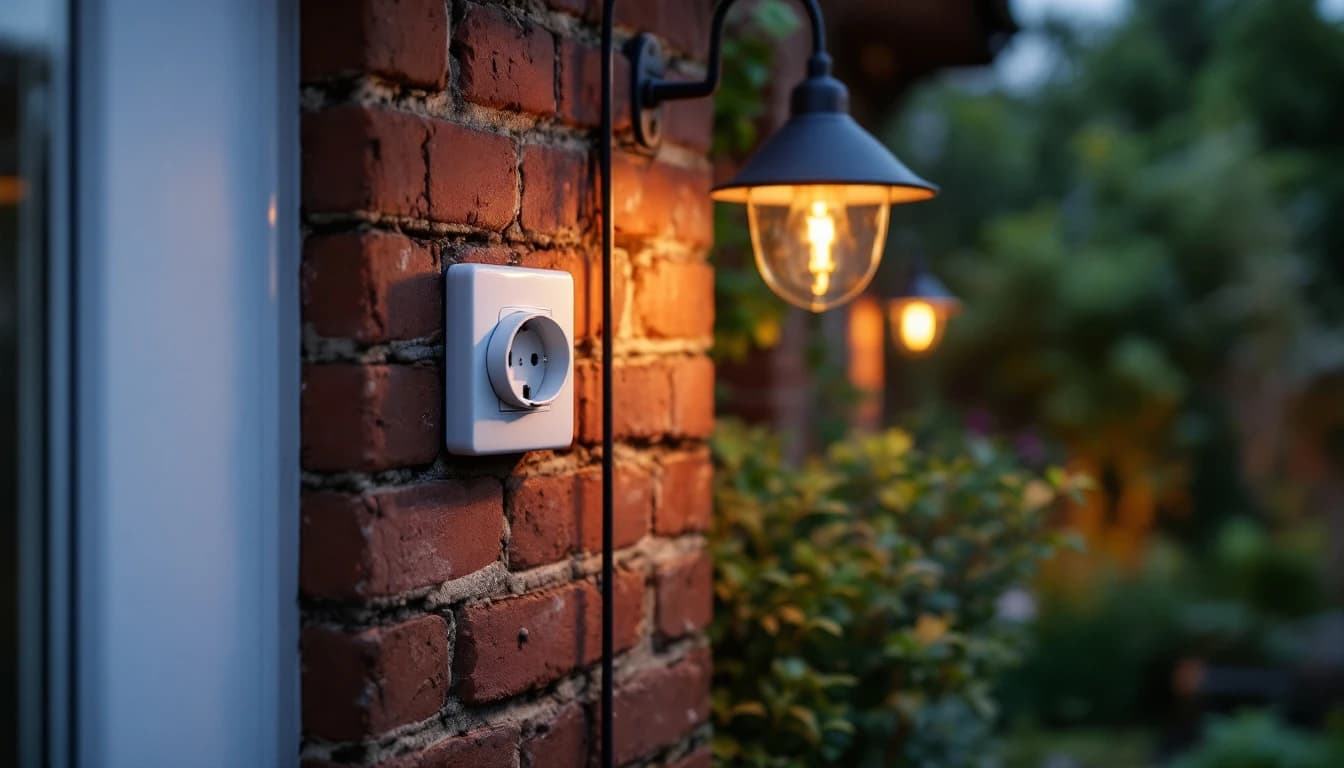
Outdoor Socket Installation and Garden Lighting: A Safe Guide
Adding an outdoor socket or garden lighting isn't a weekend DIY job. Here's the safe, legal way to do it, from RCDs and IP66 sockets to SWA cable and Part P.
Read more
How Many Downlights Do I Need Per Room? A Spacing Guide
Work out how many downlights you need per room with a simple spacing rule, a lumens-per-square-metre guide by room, and a worked example for a London kitchen.
Read more