
Part P Explained: What Electrical Work Needs Building Regs Sign-Off
A plain-English guide to Part P: what it covers, which electrical jobs are notifiable, who can sign the work off, and why the certificate matters.

By Mo Elm
Lead Engineer•29 June 2026
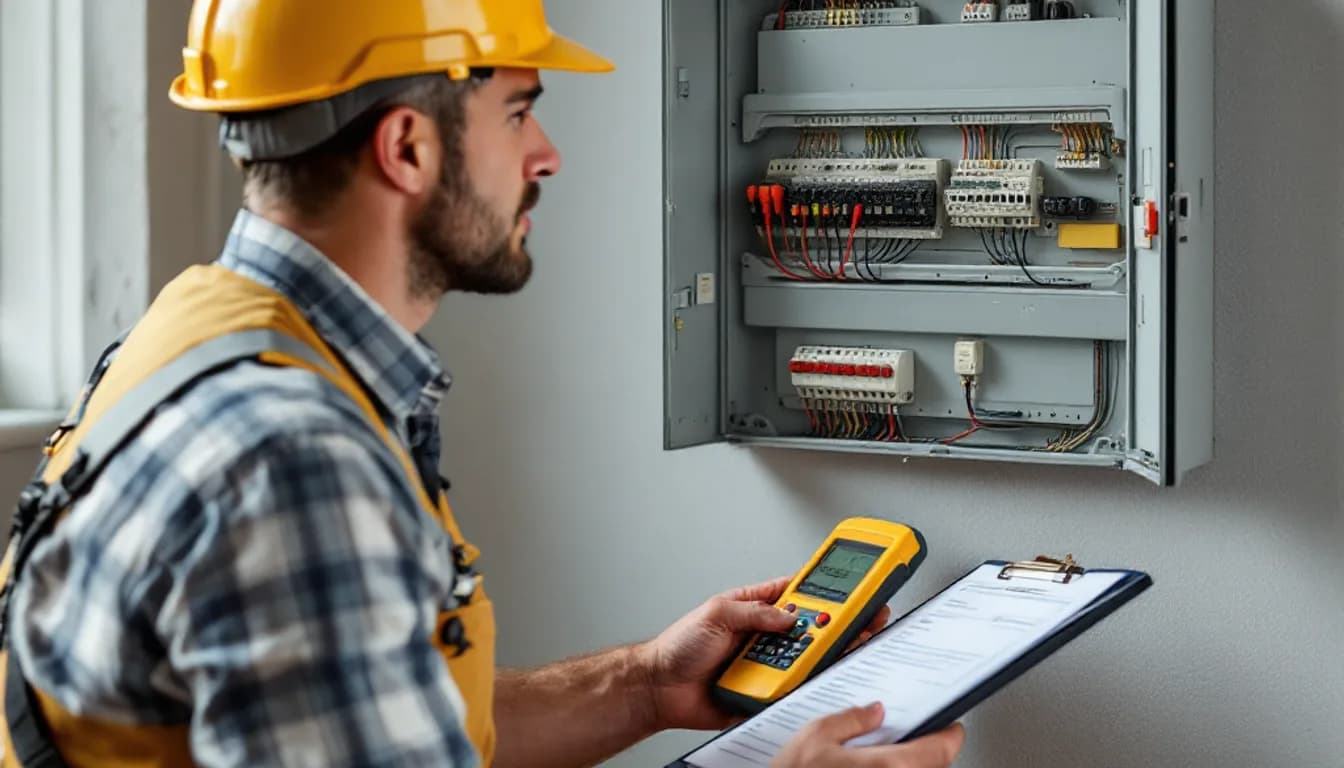
Part P is the section of the Building Regulations that covers electrical safety in homes across England and Wales. It exists so that electrical work in a dwelling is designed and installed to protect people from fire and electric shock. If you are planning a rewire, a new consumer unit or anything in a bathroom, Part P almost certainly applies to you, and getting it wrong can cause real headaches when you come to sell or insure the property.
This is the plain-English version. What Part P actually is, which jobs are "notifiable", who is allowed to sign the work off, and why that little compliance certificate matters more than most people realise.
What is Part P?
Part P is one part of the Building Regulations for England and Wales. The full guidance document is called Approved Document P: Electrical safety, Dwellings, and the current edition dates from 2013. It sets a simple legal duty: reasonable provision must be made in the design and installation of electrical work so that people are protected from fire and injury.
It first became a legal requirement on 1 January 2005. The rules were then narrowed in April 2013, which is the version we still work to today. You can read the official guidance on the Planning Portal's Approved Document P page or the GOV.UK publication for Approved Document P.
Part P applies to houses, flats, maisonettes and their gardens, outbuildings and shared access areas. It does not cover commercial or industrial premises. And crucially, it works alongside the national wiring standard, BS 7671, the technical rulebook every competent electrician designs and tests to. The IET explains how Part P and BS 7671 fit together if you want the technical detail.
Notifiable vs non-notifiable electrical work
This is the part everyone gets tangled up in. Not all electrical work has to be reported to building control. Since the 2013 amendment, only three types of work are notifiable in England.
- Installing a new circuit. Anything run new from the consumer unit, for example a dedicated circuit for a cooker, a garden supply or an EV charger installation.
- Replacing a consumer unit (fuse board). A consumer unit upgrade is always notifiable, because it is the central safety device for the whole property.
- Any addition or alteration in a special location. That means work within the zones around a bath or shower, and any electrical work in a room containing a swimming pool or sauna heater.
Everything else is non-notifiable. That includes repairs, like-for-like replacements, and adding to an existing circuit outside a special location, so swapping sockets and switches or replacing a light fitting in a bedroom generally does not need reporting. It still has to comply with BS 7671, mind. Non-notifiable does not mean rules-free.
A full house rewire is firmly notifiable, since it involves new circuits and a new consumer unit. Electrical Safety First has more detail on what Part P covers for homeowners.
Who can sign off Part P work?
There are three routes to compliance, and only three. This is where a lot of confusion creeps in, so here they are in order.
- Use a registered competent person. This is the easy route. An electrician registered with a government-approved scheme can self-certify their own work. They notify their scheme provider, who informs your local authority, and you receive the paperwork. No building control fee, no inspection to arrange yourself.
- Notify building control yourself before the work starts. If you or an unregistered installer does the work, you tell your local authority's building control department in advance and pay a fee. They may inspect and test the installation.
- Use a third-party certifier. An unregistered installer can arrange for a registered third-party certifier to inspect, test and certify completed notifiable work.
For a homeowner, route one is almost always the sensible choice. When a registered electrician finishes notifiable work, you should receive two documents: an Electrical Installation Certificate (or a Minor Works Certificate for smaller jobs) confirming the work meets BS 7671, and a Building Regulations Compliance Certificate confirming it meets Part P. Keep both somewhere safe.
Does an electrician need to be Part P registered?
Not legally, but it makes a real difference to you. An electrician who is a registered competent person can self-certify, which is faster and cheaper than involving building control on every notifiable job.
Being registered with a scheme also tells you the electrician's work is assessed regularly against BS 7671. You can check registration through the Electrical Safety First register of competent persons. At Capital Electrician we are NICEIC registered, so all our notifiable work is self-certified and Part P compliant without you lifting a finger.
What happens if electrical work is unregistered?
Here is where it stops being an abstract rule and starts costing money. Notifiable work carried out without a certificate is a genuine problem when you sell, remortgage or insure.
A buyer's solicitor will usually ask for certificates for any electrical work done to the property. No paperwork means delays, retention of funds, or a request that you pay for an electrician to inspect and certify the installation retrospectively. Insurers can also query uncertified work if you ever make a claim after an electrical fire.
On top of that, uncertified notifiable work is technically a breach of the Building Regulations, and a local authority can, in principle, require it to be put right. The fix is usually an inspection and a certificate, which is far cheaper to sort at the time than years later. If you have inherited a property with a suspect fuse board, our guide on consumer unit replacement cost gives a realistic idea of what bringing it up to standard involves.
England vs the rest of the UK
Part P is not a UK-wide rule, so where the property sits matters.
- England and Wales. Part P applies. Notifiable work must be self-certified by a registered competent person, notified to building control, or third-party certified. The legal framework sits within the Building Regulations 2010.
- Scotland. No Part P. Scotland runs a building warrant and building standards system instead, though the technical standard is still based on BS 7671.
- Northern Ireland. There is currently no direct statutory equivalent to Part P, although work should still be carried out to BS 7671.
Wherever you are, the underlying safety standard, BS 7671, is the constant. Part P is the mechanism that makes it enforceable in English and Welsh homes.
Frequently asked questions
Do I need building regs for electrical work?
If the work is notifiable, yes. Installing a new circuit, replacing a consumer unit, or doing electrical work in a bathroom or around a pool or sauna all need to be notified and certified. Most other jobs still have to meet BS 7671 but do not need reporting to building control.
What electrical work can I do myself?
Non-notifiable work such as replacing a damaged socket or light switch like-for-like, or adding a socket to an existing circuit outside a special location, can be done by a competent person without notification. It must still comply with BS 7671, and if you are not confident, get an electrician. Notifiable work should go to a registered professional.
What is a Part P certificate?
People often use "Part P certificate" as shorthand for the paperwork you get after notifiable work. In practice that means a Building Regulations Compliance Certificate confirming Part P has been met, alongside an Electrical Installation Certificate or Minor Works Certificate proving the work meets BS 7671.
Is replacing a consumer unit notifiable?
Yes. Swapping a consumer unit is always notifiable in England, whatever else you change, because it is the main protective device for the whole installation. It should be done by a registered electrician who can certify it.
How much does a Part P certificate cost?
When you use a registered electrician, certification for notifiable work is normally included in the job price rather than charged separately, because they self-certify. There is no fixed national fee. If you want a sense of pricing for larger jobs, our breakdown of how much it costs to rewire a house covers what a full certified rewire in London tends to involve.
Part P is not there to catch you out. It is there so the wiring in your home is safe and so the person who eventually buys it can trust the paperwork. If you are planning notifiable work or you have found uncertified work in your property, we can handle the whole thing, including the certificates. Call our NICEIC registered team on 020 3653 2600 for a straight answer.
Related reading
Electric Shower Installation: Cost, Circuits and the Catch
What an electric shower install actually involves in a London home, why the consumer unit decides half the price, and the questions to ask before you book.
Read more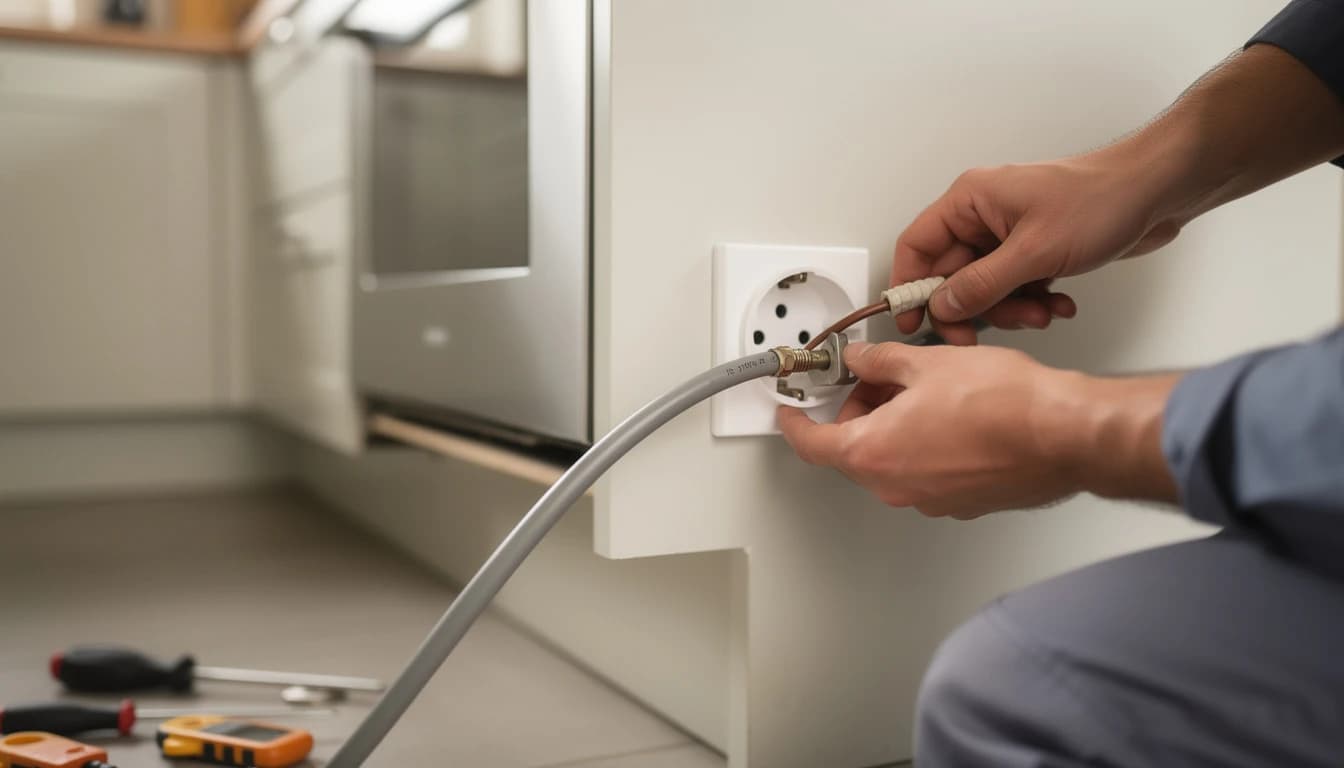
Does an Electric Cooker Need Its Own Circuit?
Most electric cookers and every electric hob need a dedicated circuit. Here is how to work out whether yours does, and what a proper cooker circuit involves.
Read more
Running Power to a Garden Office, Shed or Garage
A garden office needs a proper buried supply and its own small board, not an extension lead. Here is what the job involves, what it costs and what the rules are.
Read more