
Do I Need an EICR to Sell My House?
An EICR is not legally required to sell a home, but London buyers, solicitors and lenders increasingly ask for one. Here is when sellers really need it.

By Ali Elm
Managing Director•6 March 2026
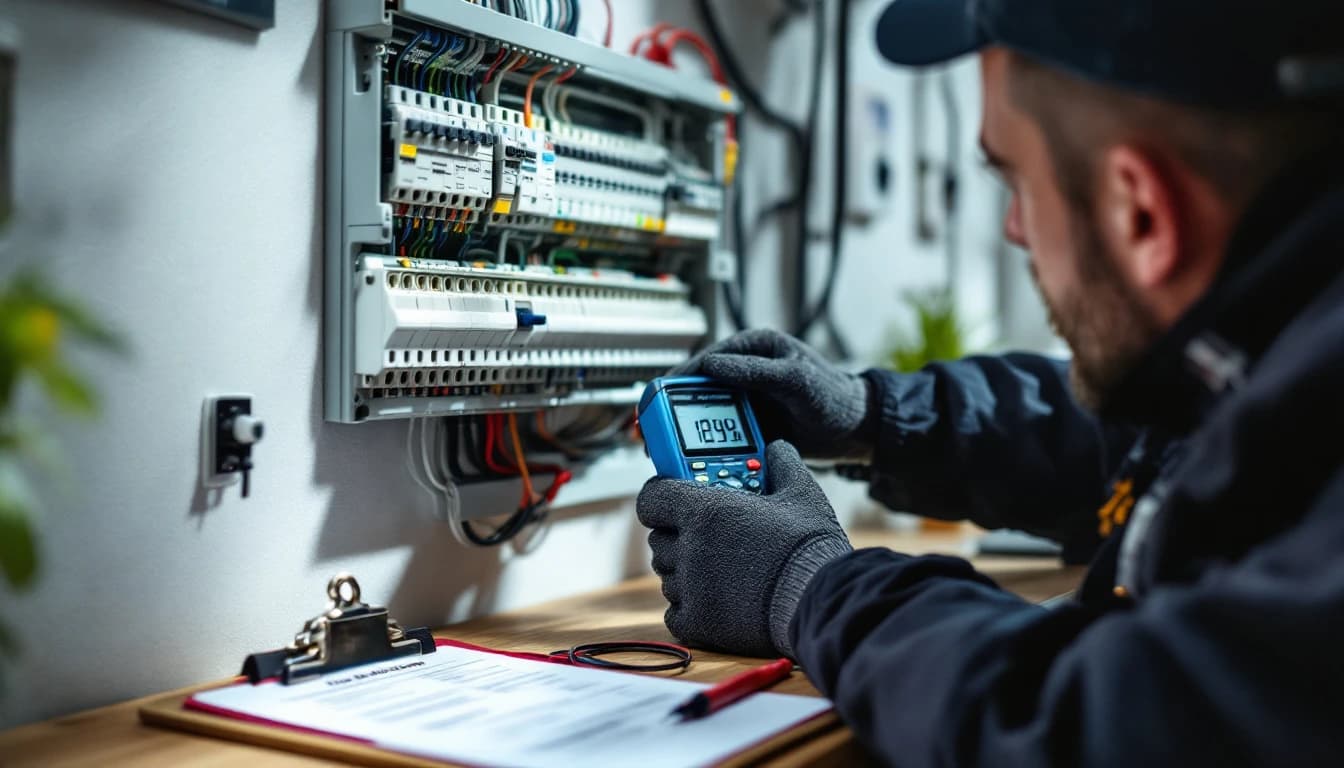
No, you do not legally need an EICR to sell your house in England or Wales. The certificate the law actually demands when you market a home for sale is an EPC, an Energy Performance Certificate, not an electrical one. That said, more and more London buyers, their solicitors, surveyors and mortgage lenders are now asking for an Electrical Installation Condition Report before they will exchange, and not having one can slow a sale down or hand a buyer an excuse to chip the price. We test and certify electrics across every London borough, so here is the honest picture of when a seller actually needs an EICR and when they do not.
Is an EICR a legal requirement when selling a house?
For an owner-occupied home, no. There is no law that says you must produce an Electrical Installation Condition Report to complete a sale. Electrical Safety First, the UK charity behind the wiring safety standards, is clear on this. As they put it, "You do not need to provide an Electrical Installation Condition Report (EICR) in order to sell a property, although it will give your buyer peace of mind that the property they are buying is electrically safe." You can read their full answer on the Electrical Safety First site.
The certificate you genuinely cannot skip is the EPC. According to GOV.UK, "You must order an EPC for potential buyers and tenants before you market your property to sell or rent," and "You can be fined if you do not get an EPC when you need one." That is the legal one. An EPC rates energy efficiency from A to G and is valid for ten years. It is completely separate from anything electrical, so do not confuse the two when an estate agent starts listing what they need.
If it is not the law, why are buyers asking for one?
Because a house sale in London often comes down to the survey, and electrics are one of the first things a surveyor flags. A homebuyer's survey on a period terrace in Hackney or a 1930s semi in Croydon will frequently note "no evidence of recent electrical testing, recommend an EICR by a qualified electrician." Once that line is in the report, the buyer's solicitor will usually ask for one.
It tends to come up most on:
- Older properties: Victorian and Edwardian conversions, anything with rubber or fabric-sheathed cabling, or an old rewireable fuse box rather than a modern consumer unit.
- Cash and chain-free buyers doing thorough due diligence: they want to know what they are walking into before they commit.
- Buyers using a mortgage: some lenders and their surveyors hold back, or "retain," part of the loan until electrical concerns are checked.
- Flats and ex-rental properties: a buyer often wants reassurance the wiring has not been neglected.
An up-to-date EICR removes that friction. Hand it over with the rest of your paperwork and you take a whole category of awkward questions off the table before they are even asked.
What is an EICR, and what does it actually check?
An EICR is a formal inspection of the fixed electrical installation in a property, carried out by a qualified electrician and written up against BS 7671, the UK wiring regulations. It is not a quick look. We physically inspect and test the consumer unit, the circuits, the earthing and bonding, sockets, switches and accessories, and we record the condition of each part.
The report then lists any issues using a set of classification codes. These matter, because the codes are what decide whether your report comes back "satisfactory" or "unsatisfactory." The official GOV.UK guidance sets them out:
- C1, danger present: a real risk of injury, immediate action needed. We will usually make this safe before we leave.
- C2, potentially dangerous: not an immediate threat but it needs putting right.
- C3, improvement recommended: not dangerous and not a fail, just something that could be better.
- FI, further investigation required: something we could not fully assess on the day and that needs a closer look.
A report is "unsatisfactory" if it contains any C1, C2 or FI items. C3s on their own still pass. If your report does flag a fail, the fix is usually a specific bit of remedial work rather than a whole rewire, and an old fuse box is a common culprit. If you are not sure what shape yours is in, our guide on whether your fuse board is safe is a good place to start.
How long does an EICR last when selling?
For a home you live in, Electrical Safety First recommends an inspection at least every ten years. In their words, "Electrical Safety First does recommend that owner occupiers have their electrical installation checked every ten years." So if you had one done five years ago for an owner-occupied property, it is almost certainly still valid for a sale.
The five-year figure people often quote is the rental rule, not the owner-occupier one. Do not let an estate agent talk you into thinking a perfectly good eight-year-old report is expired when you are selling your own home. If your property was previously let, though, the most recent report may well be on the five-year cycle.
Selling a property with a tenant still in it? The rules change
This is the part sellers get caught out by. If you are selling a rental property with a sitting tenant, your landlord duties do not pause just because the place is on the market. Under the Electrical Safety Standards in the Private Rented Sector (England) Regulations 2020, landlords must have the electrics inspected and tested at least every five years, give the tenant a copy of the report, and fix anything coded C1, C2 or FI within 28 days. That is a legal requirement, and it stays your responsibility right up until completion.
So while an owner-occupier has a choice about getting an EICR before selling, a landlord with a tenant in place does not, the testing is mandatory regardless. We handle this kind of work through our landlord electrical services, and if you want the detail on what the law expects, our piece on landlord electrical safety certificate requirements walks through it. The full legal background also sits in our EICR cost and landlord guide.
Should you get an EICR before you sell? Our honest take
For most London sellers, getting one in advance is worth it, but it is a judgement call rather than a rule. Here is how we would think it through:
- Check what you already have. Dig out any past electrical certificates. If you have a satisfactory EICR less than ten years old, you may not need a new one at all.
- Consider the property's age. On anything pre-1990 with original wiring or an old fuse board, a buyer's survey is very likely to recommend one anyway. Getting ahead of it keeps you in control.
- Weigh the cost against the risk. An EICR is a modest, fixed inspection cost. A buyer using a fail to renegotiate can knock far more off the price. For a sense of typical figures, see our EICR cost guide, and remember prices vary by property size and circuit count, so get a quote for your specific home.
- Fix the small stuff first. If a test does throw up C1 or C2 items, sorting them, often a consumer unit upgrade or a couple of faults and repairs, turns an "unsatisfactory" into a clean report you can show buyers.
Frequently asked questions
Do I need an EPC or an EICR to sell my house?
You legally need an EPC before you market the property, and you can be fined without one. An EICR is not legally required to sell an owner-occupied home, though buyers and surveyors increasingly request it. The two are completely different documents.
Can I sell my house with an unsatisfactory EICR?
Yes, there is no law stopping you selling a home with electrical faults. In practice, an unsatisfactory report gives buyers leverage to renegotiate or pull out, so most sellers fix the C1 and C2 items first. Often that is a single repair or a fuse board upgrade rather than a full rewire.
Who pays for the EICR when selling, the buyer or the seller?
There is no fixed rule. Some sellers commission one upfront to smooth the sale, while some buyers arrange and pay for their own as part of the survey. If the buyer's survey recommends one, it is usually quicker for the seller to sort it.
How long does an EICR take to carry out?
For a typical London house or flat, a full inspection and test usually takes a few hours, depending on the number of circuits and the access to the consumer unit and accessories. We issue the written report after the work, not on the spot, because each circuit has to be tested and recorded properly.
Need an EICR before you sell in London?
We are NICEIC registered electricians working across every London borough, and we carry out EICRs, issue the report against BS 7671, and put right anything that fails, from a new fuse board to smaller remedial fixes, so you go to market with clean paperwork. If you are selling and want the electrics signed off properly, call us on 020 3653 2600 and we will sort it.
Related reading
Which Electrical Certificate Do You Actually Need?
EIC, Minor Works and EICR are three different documents for three different jobs. Here is which one your electrician should hand you, and when.
Read more
EICR Codes Explained: What C1, C2, C3 and FI Mean
Your EICR came back with codes against it. Here is what C1, C2, C3 and FI actually mean, which ones make a report unsatisfactory, and what you have to fix.
Read more
How Often Should You Get an EICR? Rules by Property Type
How often you need an EICR depends on the property. Homeowners are advised every 10 years, landlords must test every 5 years by law, businesses follow a risk cycle.
Read more