
EV Charger Installation Cost in London (Plus the £500 Grant)
What a home EV charger costs to install in London, the £500 government grant for renters and flat owners, and what the job actually involves.

By Yousif Al-Imari
Senior Engineer•3 June 2026
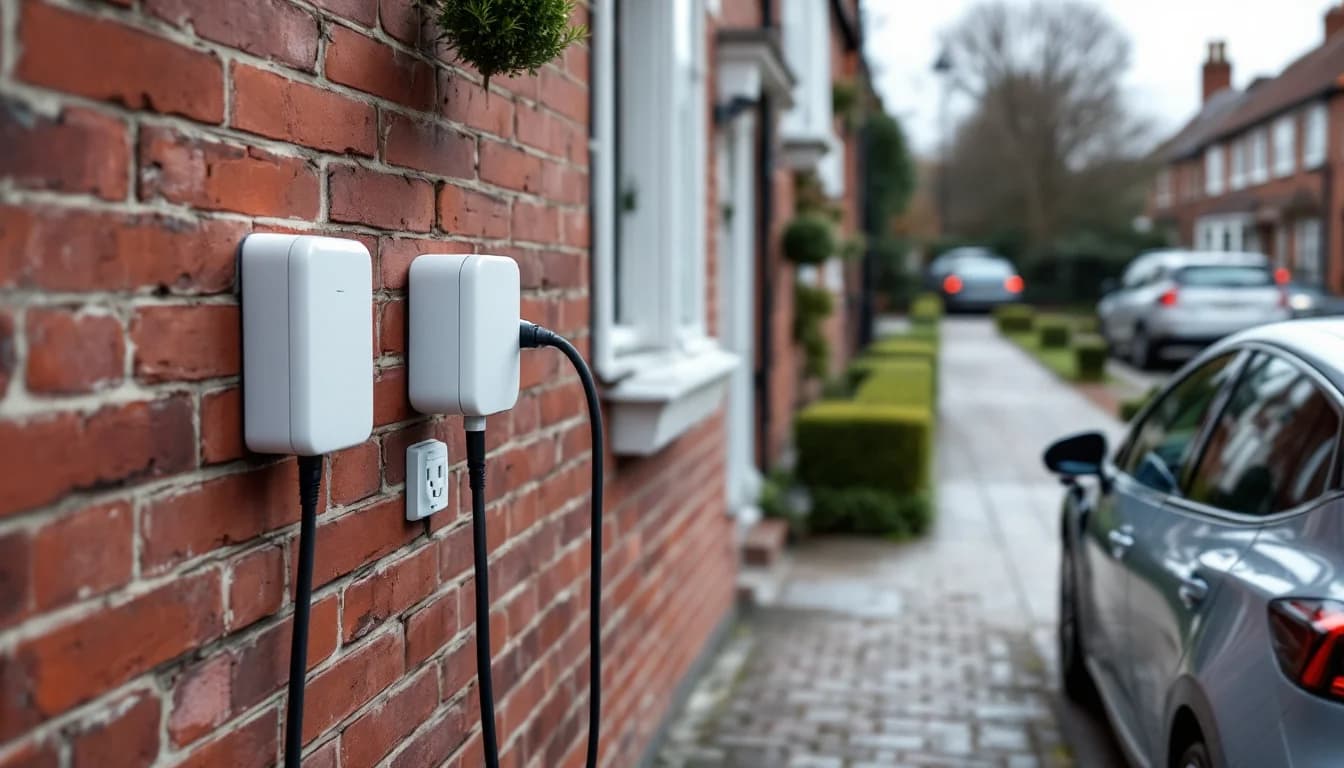
If you have just gone electric, or you are about to, the question is simple. What does it cost to get a charger on your wall? In London, a home EV charger typically costs £800 to £1,200 fully installed for a standard 7kW unit. The good news is there is still a government grant that can knock up to £500 off if you rent or live in a flat, and a lot of drivers do not realise they qualify.
How much does EV charger installation cost?
Your total is the charger unit plus the installation. A few things move the price:
- The charger itself: roughly £400 to £800 depending on brand, tethered or untethered, and smart features
- Cable run: a short, tidy run from the consumer unit is cheap. A long route around the house or under the drive costs more
- Consumer unit work: the charger needs its own protected circuit, and older boards sometimes need an upgrade first
- Groundworks: trenching across a garden or driveway adds labour
Most straightforward installs on a house with off street parking and a nearby fuse board sit comfortably in that £800 to £1,200 band.
The £500 EV chargepoint grant
This is the bit worth reading twice. The government runs an EV chargepoint grant worth up to £500 towards the cost of buying and installing a charger. Per the official guidance on GOV.UK, it is aimed at people who rent any residential property or own and live in a flat, as long as you have private off street parking. There is a separate grant for landlords, up to £500 per socket.
The catch is that the work has to be done by an installer authorised under the scheme, and the charger has to be an approved model. Get that wrong and you lose the grant, so it pays to use someone who handles the paperwork as part of the job.
7kW or 22kW, tethered or untethered?
Almost every home install is a 7kW charger, because that is the most a standard single phase home supply can deliver. 22kW needs a three phase supply, which most houses do not have. Tethered means the cable is attached to the unit, which is convenient. Untethered means you plug your own cable in each time, which looks tidier and lets you swap cables. Neither is wrong, it comes down to preference.
What the install involves
We run a dedicated circuit from your consumer unit to the charger location, fit the unit, test it, and register it where required. On older properties we check the board has the capacity and protection to take the new circuit safely, which is why an honest survey matters before any price is final. If your fuse board is ancient, that conversation happens up front, not as a surprise on the day.
Frequently asked questions
Do I need off street parking?
For a home charger and for the grant, yes. The charger has to be installed at a property with its own private parking.
How long does the install take?
A typical install is half a day. Longer cable runs or a consumer unit upgrade can stretch it to a full day.
Can you install any brand?
We fit the main approved brands. If you want the grant, we will make sure the model you choose is eligible before ordering.
Book your EV charger install
Charging at home is far cheaper than the public network, and a tidy install pays for itself quickly. Have a look at our EV charger installation service, or call 020 3653 2600 and we will check your eligibility for the grant and give you a fixed price.
Related reading
Do You Need Planning Permission for an EV Charger?
Most home EV chargers are permitted development, so no planning permission is needed. But London listed buildings, conservation areas and flats are the catch.
Read more
The Best Home EV Chargers in the UK for 2026 (7 Units Compared)
The best home EV charger for 2026, ranked by what each one is genuinely best at, from smart tariff units to solar diversion, plus how to pick the right one.
Read more
What You Need to Install an EV Charger at Home in London
Off-street parking, board capacity, open-PEN earthing, a DNO notification and a registered installer: what a London home EV charger really needs.
Read more