
What Is an RCD? RCD, RCBO and MCB Explained
An RCD trips fast to stop a fatal shock, an MCB protects the cable, and an RCBO does both. Here's how they differ and what to do if yours keeps tripping.

By Mo Elm
Lead Engineer•1 July 2026
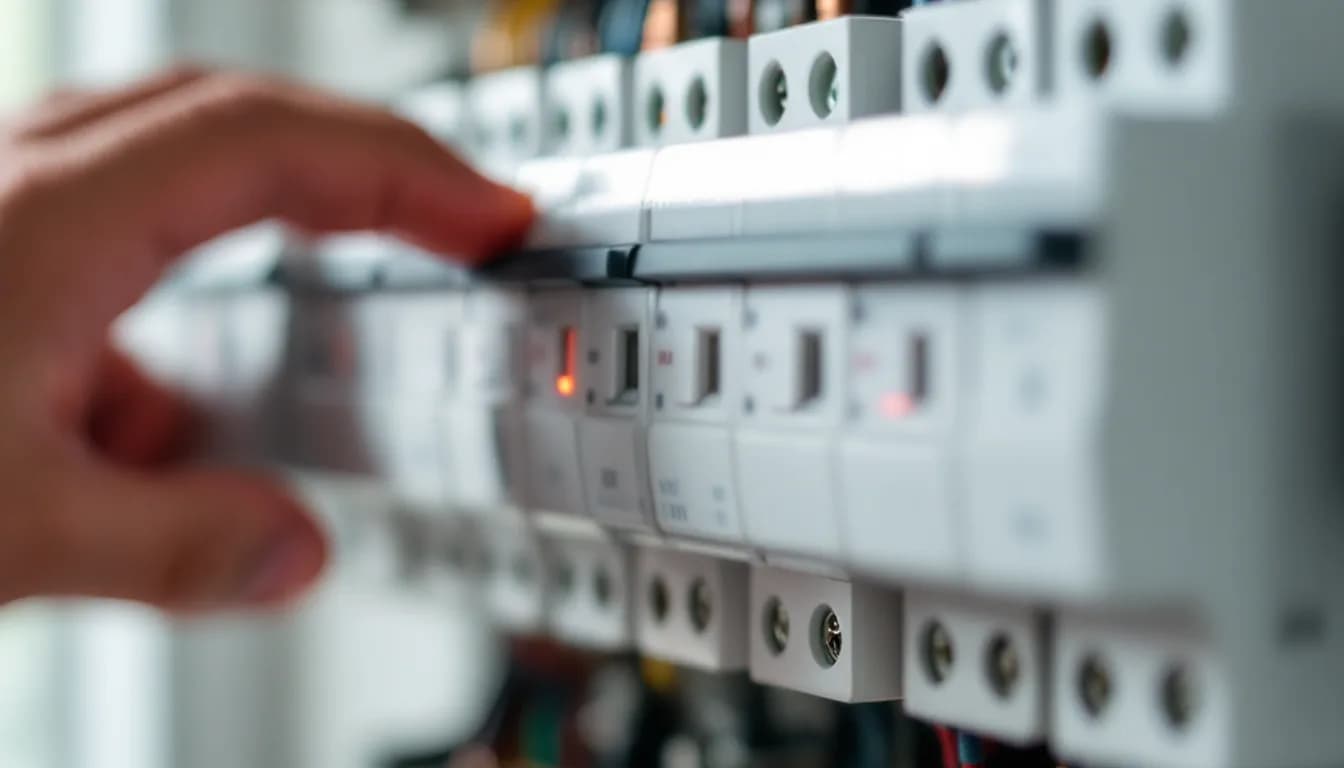
If you have ever wondered what the row of switches in your fuse box actually does, this is the one to read. An RCD (residual current device) is a life-saving switch that watches the flow of electricity through a circuit and cuts the power in a fraction of a second if it detects electricity leaking somewhere it should not go, such as through a person. It is the device that stops a faulty kettle or a cut cable turning into a fatal shock.
The trouble is that an RCD gets confused with two other devices that sit right next to it: the MCB and the RCBO. They look similar. They do very different jobs. I am Mo, I spend most of my week inside consumer units chasing faults, and this is the plain-English version of what each one protects you from and why it matters.
What does an RCD do?
An RCD constantly compares two things: the current flowing out to your circuit on the live wire, and the current coming back on the neutral. In a healthy circuit those two numbers match. Every amp that goes out comes back.
The moment some of that current escapes to earth, say through damaged insulation, water, or a person touching a live part, the two figures stop matching. The RCD spots that imbalance and switches off, usually in well under a tenth of a second. That speed is the whole point. It disconnects the supply before the shock can stop your heart.
According to Electrical Safety First, an RCD is a life-saving device designed to prevent a fatal electric shock if you touch something live, and it also offers some protection against electrical fires caused by earth faults. What it does not do is protect the cable itself from carrying too much current. That is a different job, and it belongs to the MCB.
RCD vs MCB: two jobs people mix up
Here is the part almost everyone gets wrong. An RCD protects people. An MCB protects the cable. They are not interchangeable.
An MCB (miniature circuit breaker) is the modern replacement for the old rewirable fuse. It trips when a circuit draws more current than the cable can safely handle, either from a slow overload (too many appliances on one ring) or a sudden short circuit (live touching neutral). Left unchecked, that heat is what starts fires inside walls.
But an MCB will happily sit there while you get a shock. A person leaking current to earth barely registers as an overload, so the MCB never trips. That is exactly the gap an RCD fills. You need both types of protection, which is why a modern board has them working together.
- MCB. Trips on overload and short circuit. Protects the wiring from overheating. No shock protection.
- RCD. Trips on earth leakage. Protects you from electric shock and some fire risk. No overload protection.
- RCBO. Does both jobs in one unit, for one circuit.
What is an RCBO?
An RCBO (residual current breaker with overcurrent protection) is the best of both worlds squeezed into a single module. It gives you the overload and short-circuit protection of an MCB and the earth-leakage protection of an RCD, all on one circuit.
Why does that matter? On an older board, one big RCD often covers several circuits at once. When a fault trips it, everything behind it goes dark, so a dodgy immersion heater can knock out your sockets and lights too. With RCBOs, each circuit is protected on its own. A fault on the kitchen sockets trips only the kitchen sockets, and the rest of the house stays on.
Manufacturer guidance from Hager on RCD selection under the 18th Edition reinforces the same principle: the right device on the right circuit keeps protection tight and nuisance tripping low. When we carry out consumer unit upgrades in London, an all-RCBO board is usually what we recommend for exactly this reason.
Where do SPDs and AFDDs fit in?
You may spot two more acronyms in newer boards. An SPD (surge protection device) shields your wiring and appliances from voltage spikes, often from nearby lightning strikes or grid switching. An AFDD (arc fault detection device) watches for the tell-tale electrical arcing that causes many house fires. Neither replaces an RCD or an MCB. They are extra layers, increasingly expected in certain installations.
Do you need an RCD under BS 7671?
For most modern homes, the honest answer is yes. BS 7671, the UK wiring regulations published by the IET and BSI, now expects RCD protection on the large majority of domestic circuits, not just a token one or two.
The clearest example is sockets. Electrical Safety First confirms that the regulations require all 13A socket-outlets in a dwelling to be RCD protected, with 30mA RCD protection the standard for socket circuits. That 30mA figure is deliberate. It is low enough to disconnect before a shock becomes fatal, which is why it is the benchmark for personal protection.
If your board is an older split-load or, worse, a rewirable fuse box with no RCD at all, you are missing the layer that protects people. Not sure where yours stands? Our guide on whether your fuse board is safe walks through the warning signs, and a proper inspection settles it for good.
Why does my RCD keep tripping, and how do I find the cause?
A tripping RCD is annoying, but it is usually doing its job. It has detected leakage somewhere and shut off to keep you safe. The skill is working out which circuit and which appliance is at fault. Here is the method we use on site.
- Reset it once. Flick the RCD back on. If it holds, the fault may have been a one-off, but keep an eye out.
- If it trips again, unplug everything. Pull out every appliance on the affected circuits, then reset.
- Reintroduce appliances one at a time. Plug things back in one by one. The item that trips it is your likely culprit, often a faulty kettle, washing machine, or immersion heater.
- Watch for weather. Outdoor sockets, garden lighting, and damp-affected cables often trip after rain. Water is a classic leakage path.
- Note whether it trips at a set time. A heater or immersion on a timer that trips every morning points straight at that circuit.
If you cannot isolate it, or the RCD trips the instant you reset it with nothing plugged in, stop there. That points to a fault in the fixed wiring, which needs testing with proper instruments. Our fault finding and repair service exists for exactly these head-scratchers, and we have a fuller breakdown in our post on why your fuse box keeps tripping.
Why 30mA matters for sockets and bathrooms
Not all RCDs trip at the same sensitivity. The 30mA rating you find on socket and bathroom circuits is calibrated for personal protection, disconnecting fast enough to prevent a shock from becoming lethal in most situations.
Bathrooms are singled out for a reason. Water and electricity are a dangerous mix, so BS 7671 is strict about 30mA protection there. The same goes for outdoor and kitchen sockets, where appliances get handled with wet hands or moved about. As Hager's guidance notes, residual current devices are what prevent you from receiving fatal electric shocks, and the 30mA threshold is the level that makes that protection reliable for people.
Frequently asked questions
What is the difference between an RCD and an RCBO?
An RCD only protects against earth leakage, and one RCD often covers several circuits. An RCBO combines that earth-leakage protection with the overload and short-circuit protection of an MCB, all on a single circuit. So an RCBO does more, and it isolates faults to just one circuit rather than tripping the whole board.
Will an MCB protect me from an electric shock?
No. An MCB only trips on overload and short circuit to protect the cable from overheating. The current involved in an electric shock is usually far too small to trip an MCB. You need an RCD or RCBO for shock protection.
Is it normal for an RCD to trip occasionally?
An occasional trip during a storm or when a specific appliance is plugged in is common and usually points to a minor leakage fault. Frequent or immediate tripping is not normal and should be investigated. It can signal a faulty appliance or a problem in the fixed wiring.
How often should I test my RCD?
Electrical Safety First advises testing fixed RCDs roughly every three months using the test button on the unit, which should cut the power instantly. If it does not trip when you press it, treat that as a fault and get it checked. Regular testing keeps these devices reliable.
How much does it cost to add RCD protection or upgrade a board?
It depends on the state of your existing installation and how many circuits you have. As a general guide, a full consumer unit replacement in London typically runs into the low-to-mid hundreds of pounds, though pricing varies by property. We cover the factors in our guide to consumer unit replacement cost.
Getting the right protective devices in your consumer unit is not a nice-to-have. It is the difference between a tripped switch and a serious injury. If your RCD keeps tripping, your board has no RCD protection, or you are simply not sure what you have got, we can inspect it and put it right. Every job we do is carried out by NICEIC registered electricians and certified to BS 7671. Call us on 020 3653 2600 and we will get you sorted.
Related reading
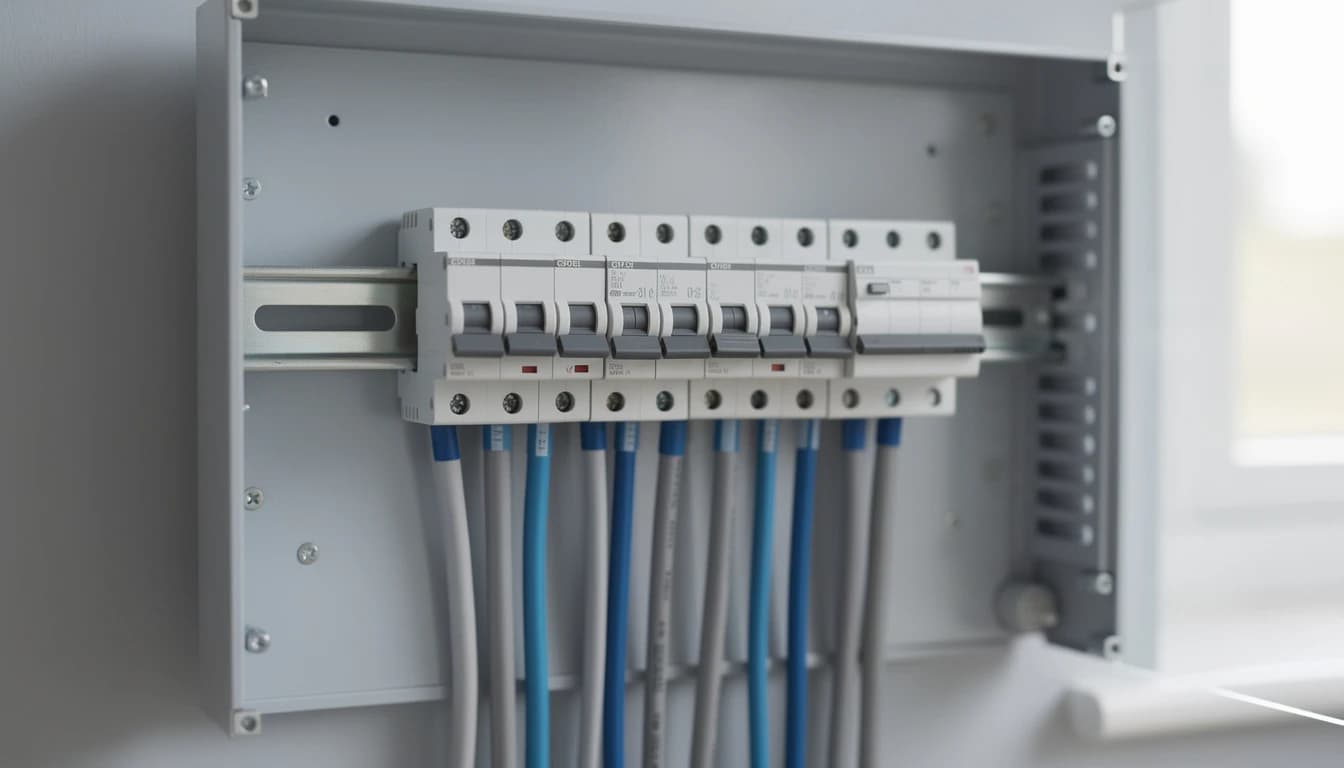
AFDDs and Surge Protection: What Modern Fuse Boxes Need
Arc fault detection and surge protection are the two devices changing what goes in a consumer unit. Here is what each does and whether your board needs them.
Read more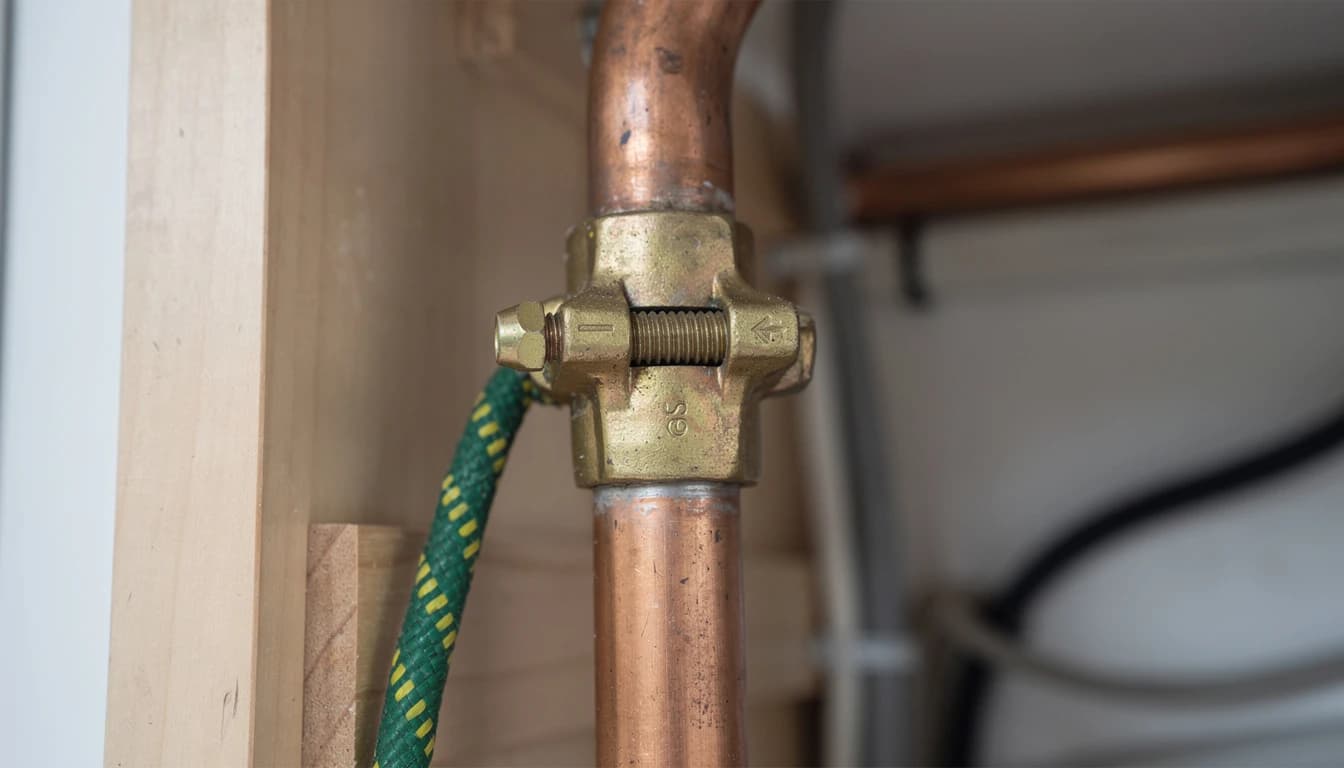
Earthing and Bonding Explained: What Yours Should Look Like
Earthing and bonding do two different jobs and both get flagged on inspections. Here is what each one is, what good looks like, and why yours may be missing.
Read more
MCB vs RCD vs RCBO: What's Actually in Your Fuse Box
MCB, RCD or RCBO? Here's what each switch in your consumer unit does, how to spot which one you've got, and why one of them keeps tripping. Plain advice from London electricians.
Read more