
Is Your Fuse Board Safe? Signs You Need a Consumer Unit Upgrade
Old fuse board or modern consumer unit? London electricians explain the safety signs that mean it's time to upgrade.

By Mo Elm
Lead Engineer•3 April 2026
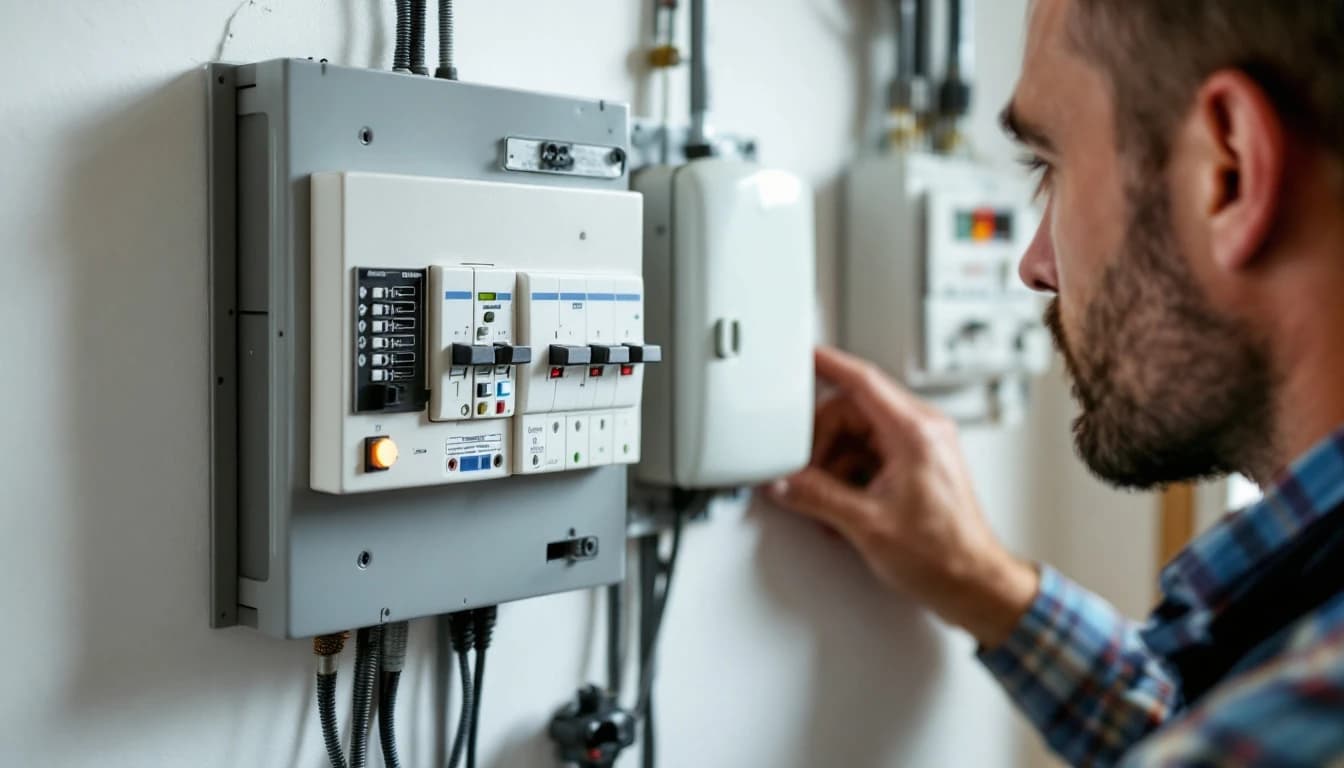
If your fuse board has porcelain or plastic fuse holders you pull out and rewire by hand, sits on a wooden or cast-iron back, and has no test button on the front, it is almost certainly past its safe working life. That style of board offers no protection against electric shock and falls well short of the current wiring regulations. As NICEIC registered electricians working across every London borough, we see these old boards every week, and the honest answer to "is my fuse board safe?" usually starts with what is actually behind that little white door.
The good news is that not every old board is an emergency. The bad news is that some genuinely are. Here is how to tell the difference, what the regulations now require, and when an upgrade is worth doing.
What is the difference between an old fuse board and a modern consumer unit?
An old fuse board protects circuits with rewireable fuses, a length of fuse wire that melts when too much current flows. A modern consumer unit does the same job with circuit breakers and residual current devices that switch off automatically and far faster. Same idea, completely different level of safety.
The old style typically has:
- Rewireable fuses: ceramic or plastic carriers with replaceable fuse wire, often colour coded. This is 1950s technology and offers no protection against electric shock.
- A wooden or cast-iron back: common in homes wired in the 1960s and earlier, and a fire risk because there is nothing to contain a fault.
- No RCD: no test button anywhere on the board. If there is no test button, you very likely have no shock protection at all.
A modern consumer unit instead has:
- MCBs (miniature circuit breakers): little switches that trip on overload, no fuse wire to replace.
- RCDs or RCBOs: devices that detect current leaking to earth, the sort of fault that gives you a shock, and cut the power in around 40 milliseconds.
- A metal or non-combustible enclosure: so that a loose connection or overheating part is contained rather than feeding a fire.
The IET (Institution of Engineering and Technology), the body behind the wiring regulations, notes that an RCD is thousands of times more sensitive than a fuse or circuit breaker. That sensitivity is the whole point, and it is exactly what an old fuse board cannot offer.
What do the regulations actually require now?
Three changes matter most, and all of them sit in BS 7671, the UK wiring regulations we work to on every job.
Metal or non-combustible enclosures since January 2016
Since January 2016, the wiring regulations have required consumer units in domestic premises to be made from non-combustible material, or housed in a non-combustible enclosure. In practice that means metal. The IET confirms the January 2016 date, and the change came in after a run of consumer unit fires, many recorded here in London, where a plastic board that overheated acted as fuel rather than containment.
If your board went in before 2016 and it is plastic, it was legal when fitted. But any new board we install today has to be metal.
RCD protection on most circuits under the 18th Edition
Under the 18th Edition of BS 7671, RCD protection is required on most circuits in a home, including socket outlets and circuits run in walls. A board with no RCD at all does not meet that standard. This is the single most common reason we recommend an upgrade.
Surge protection is now commonly recommended
Surge protection devices (SPDs) guard your wiring and connected equipment against voltage spikes, often from lightning or supply switching. The 18th Edition expects a risk assessment to decide whether one is needed, and on most modern London installations we now fit one as standard. It is not always mandatory, but it is increasingly the sensible default.
Signs your fuse board needs upgrading
Some of these are convenience issues. Some are genuine safety problems. We have ordered them roughly worst first.
- Burning smell, scorch marks or discolouration: a hot, brown or charred mark around the board points to a loose connection arcing and overheating. The London Fire Brigade lists scorch marks and hot fittings as warning signs of dangerous wiring. Do not wait for the quote, switch the main switch off and call an emergency electrician.
- No RCD (no test button): no test button anywhere on the board usually means no shock protection. On a modern board you should be testing that button roughly every six months.
- Rewireable fuses: fuse wire you replace by hand is the clearest sign of an old board.
- A plastic or wooden board fitted before 2016: not automatically unsafe, but it does not meet the current non-combustible requirement and is worth planning to replace.
- Frequent or unexplained tripping: a breaker that keeps going off is often catching a real fault an old fuse board would have ignored. We cover the common causes in our guide to why your fuse box keeps tripping.
- You are adding load: an EV charger, a kitchen rewire, an extension, or an electric shower often needs spare ways and proper protection that an old board cannot give. A new consumer unit is usually the cleaner answer than squeezing more onto an old one.
Will a new fuse board fix everything?
This is the part a lot of homeowners get wrong, so we will be blunt. A consumer unit upgrade is only worth doing if the wiring behind it is sound.
A new board with RCDs is far more sensitive than an old fuse box. If your existing wiring has deteriorated insulation, dodgy old joints, or no earth on some circuits, the new RCDs will keep tripping the moment they are energised, because they are correctly detecting faults the old board let through. Fitting a shiny new unit on top of tired cabling can turn a quiet problem into a daily one.
That is why we usually want an EICR (Electrical Installation Condition Report) first, or at least a proper inspection. It tells us whether the installation can support a new board, or whether some circuits need attention first. In older properties the report sometimes points towards a partial or full rewire before, or alongside, the new unit, and it is worth knowing the signs your house needs rewiring so nothing comes as a shock. Better to know that before the work than halfway through it.
How much does a consumer unit upgrade cost in London?
Prices vary by property, by how many circuits you have, and by what the inspection turns up, so treat the following as general London market guidance rather than a quote from us.
- Typical London consumer unit replacement: roughly £550 to £800 and up, usually including the unit, labour, testing and the certificate.
- Smaller jobs (fewer circuits, garage or flat): often a little lower.
- Boards with full RCBO protection or extra remedial work: higher, because every circuit gets its own protective device.
We have a fuller breakdown in our guide to consumer unit replacement cost, and if you want it done properly with a certificate at the end, that is exactly what our consumer unit upgrade service covers. Anything that includes new circuits, or work on the wiring itself, is notifiable under Part P of the Building Regulations, which is part of why using a registered electrician matters.
Frequently asked questions
Is it illegal to have an old fuse box in the UK?
No, owning an old fuse board is not in itself illegal. The regulations are not retrospective, so a board that was compliant when it was fitted does not become illegal later. What changes is whether it is still safe and whether it meets current standards, and for rented homes a landlord's EICR can flag an inadequate board as a fault that needs putting right.
How do I know if my fuse board has an RCD?
Look for a test button, usually marked "T" or "Test", on the front of the board. Press it and a properly working RCD should switch off instantly. No test button anywhere on the board almost always means no RCD, and therefore no protection against electric shock.
Can I just replace one fuse instead of the whole board?
On an old fuse board you can rewire a blown fuse, but if the fuse keeps blowing it is telling you something is wrong on that circuit. Repeated failures are a reason to have the installation looked at, not just to fit thicker fuse wire, which removes the protection and is genuinely dangerous.
Do I need to upgrade my fuse board before selling my house?
There is no legal requirement to upgrade simply to sell. That said, a modern consumer unit and a clean electrical report reassure buyers and surveyors, and an old fuse board with no RCD is the sort of thing that can come up in a survey and affect negotiations, which is why some sellers deal with it alongside getting an EICR before selling.
Not sure if your board is safe? Ask us
If you have looked at your fuse board and recognised any of the signs above, the no-pressure next step is to have it inspected. As NICEIC registered electricians covering every London borough, we can tell you whether your board genuinely needs replacing, whether the wiring behind it is up to it, and what a sensible upgrade would involve, with proper certification at the end. Call us on 020 3653 2600 or read more about our consumer unit upgrades in London.
Related reading
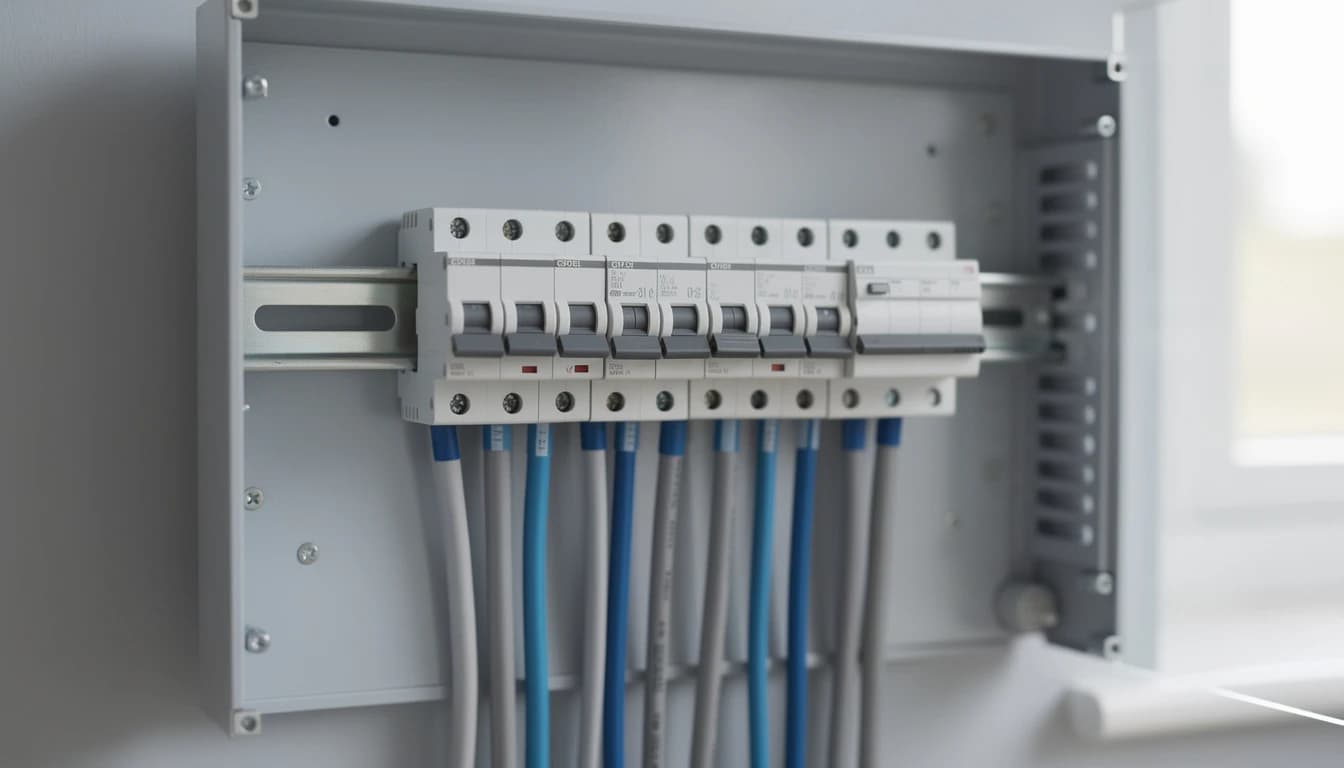
AFDDs and Surge Protection: What Modern Fuse Boxes Need
Arc fault detection and surge protection are the two devices changing what goes in a consumer unit. Here is what each does and whether your board needs them.
Read more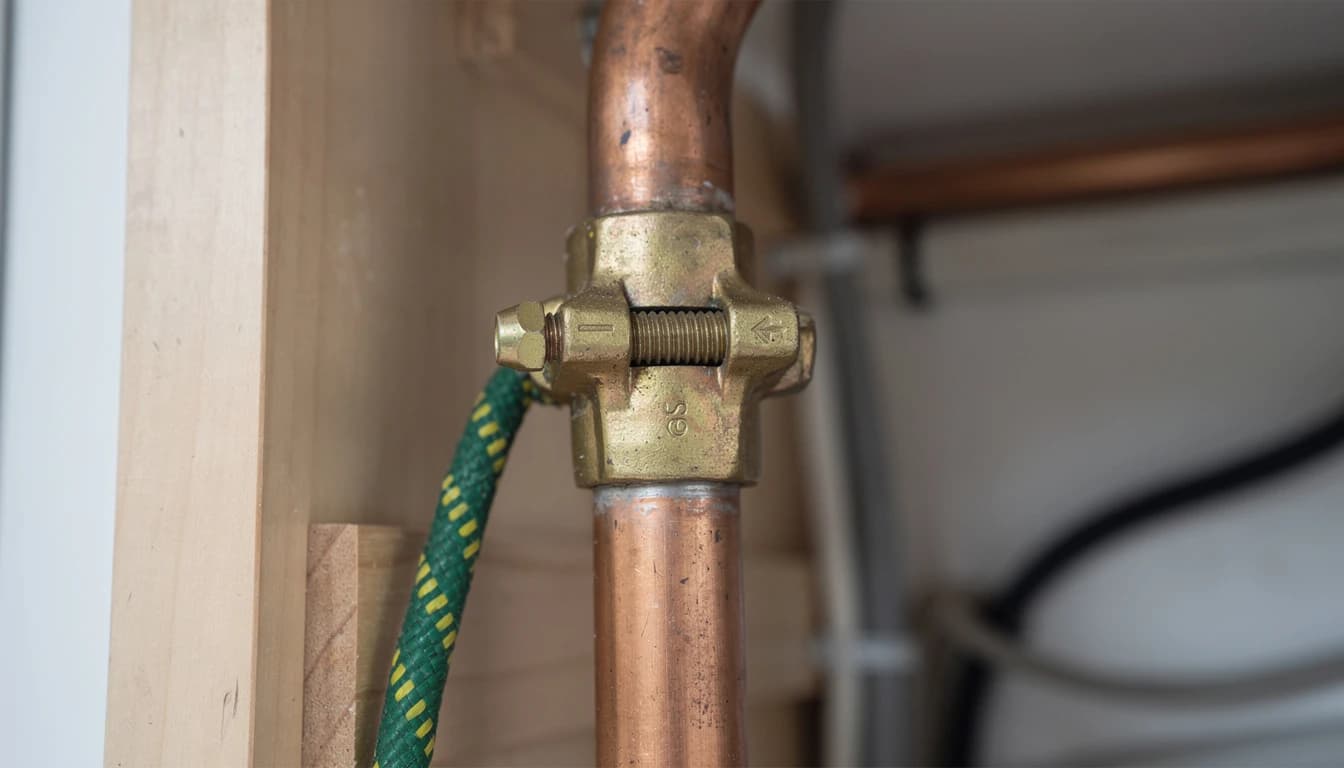
Earthing and Bonding Explained: What Yours Should Look Like
Earthing and bonding do two different jobs and both get flagged on inspections. Here is what each one is, what good looks like, and why yours may be missing.
Read more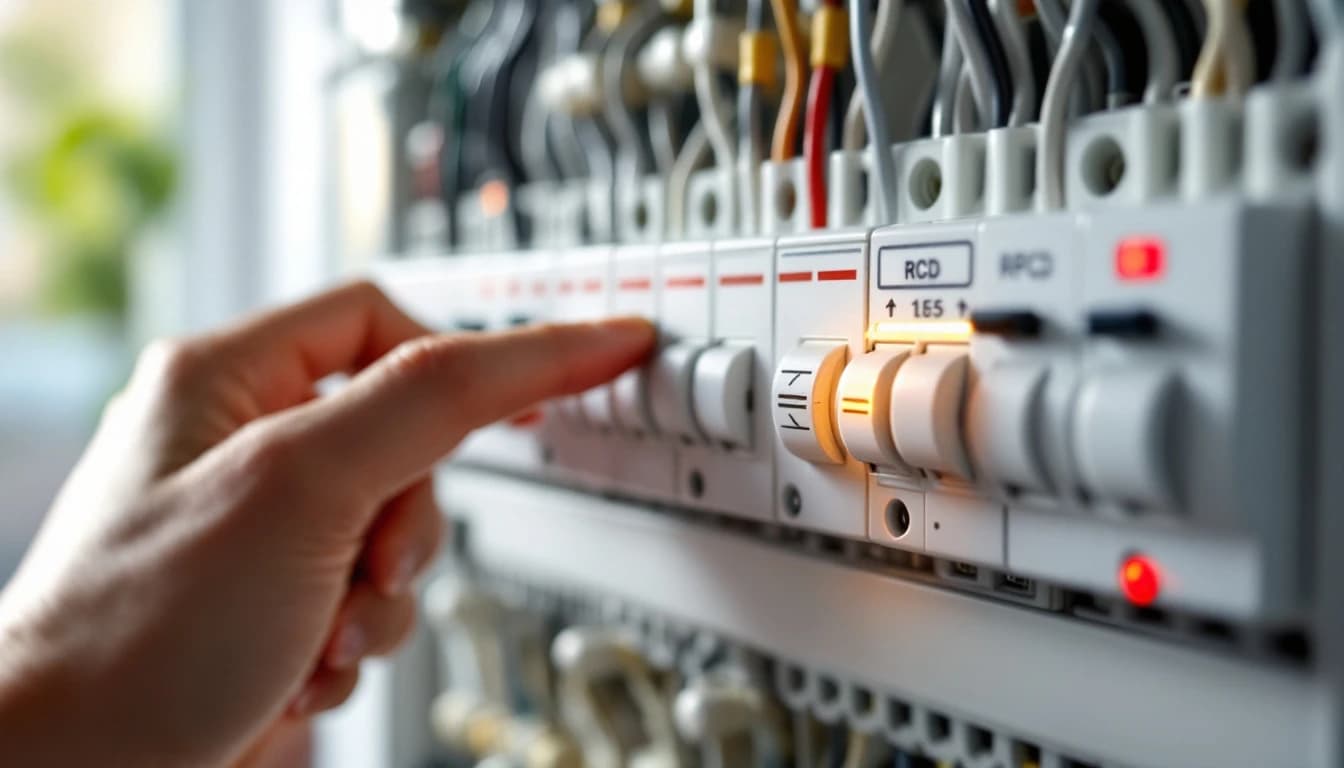
MCB vs RCD vs RCBO: What's Actually in Your Fuse Box
MCB, RCD or RCBO? Here's what each switch in your consumer unit does, how to spot which one you've got, and why one of them keeps tripping. Plain advice from London electricians.
Read more