
Bathroom Electrical Zones Explained: 0, 1, 2 and IP Ratings
Bathrooms are split into electrical zones by how close they are to water. Here is what goes where, which IP rating you need, and why sockets are banned.

By Yousif Al-Imari
Senior Engineer•29 July 2026
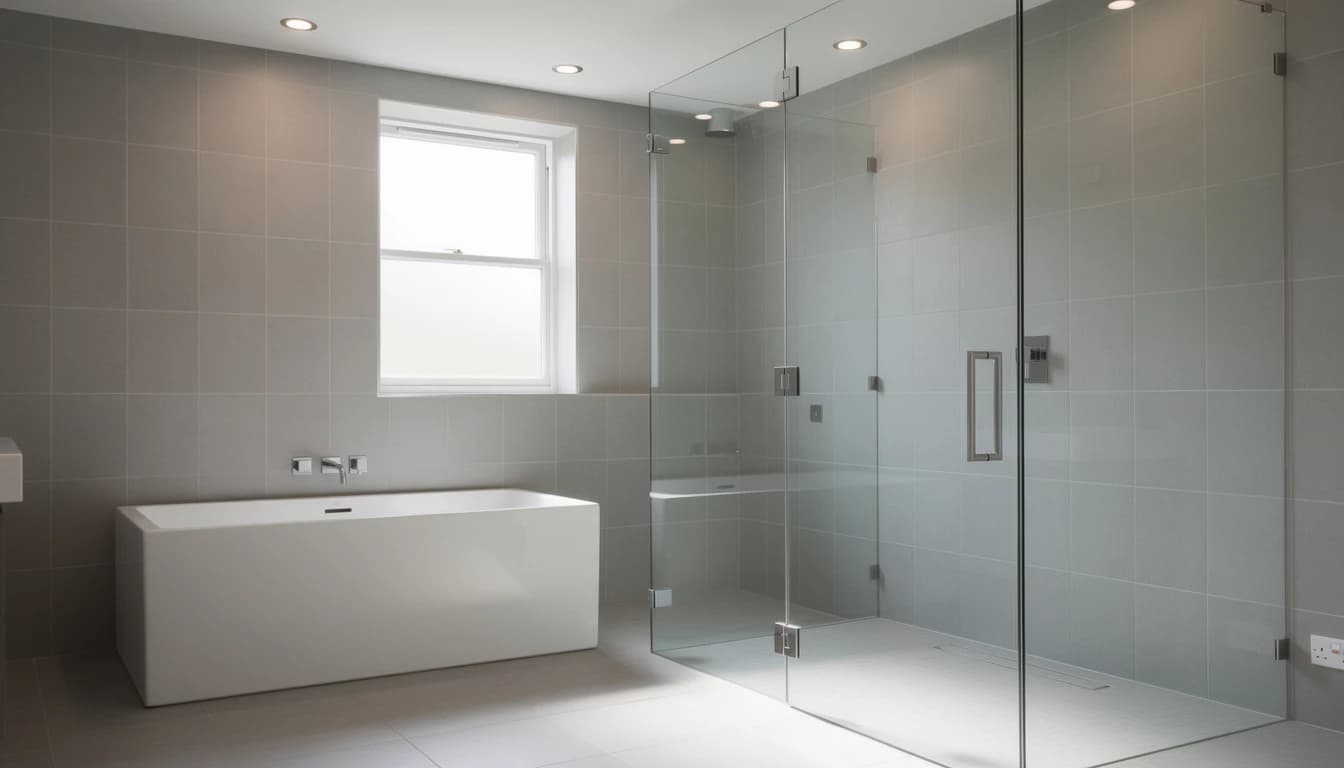
A bathroom is divided into three electrical zones based on distance from the bath or shower. Zone 0 is inside the bath or shower tray itself. Zone 1 is directly above it, up to 2.25 metres from the floor. Zone 2 extends 0.6 metres beyond zone 1. The closer to the water, the higher the ingress protection rating a fitting needs, and sockets are not allowed anywhere near any of them.
That's the short version. What follows is what those zones mean when you're standing in a real bathroom with a tape measure, trying to work out whether the light you've bought is going to be legal.
Why bathrooms get their own rules
Water and bare skin change the maths on electric shock. As Electrical Safety First puts it, "your body conducts electricity more easily in wet conditions, increasing the risk and severity of electric shock", and "wet skin reduces the body's resistance".
A shock that would give you a nasty jolt in a dry hallway can be far worse when you're standing in a wet tray with no shoes on. That's the whole reason bathrooms are treated as a special location in BS 7671, the wiring regulations published by the IET, and why the rules here are stricter than anywhere else in the house.
The zones, measured properly
Zone 0
The inside of the bath tub or the shower tray. Anything installed here sits in water when the bath is full.
Equipment must be rated IPX7, which means it can survive temporary immersion, and it has to run on a low voltage supply of 12V or less with the transformer sited outside the zones. There is very little you can legitimately put in zone 0, and honestly, most of what people want to install there is a bad idea anyway.
Zone 1
The area directly above the bath or shower tray, up to 2.25 metres above the floor. If your shower head is higher than that, zone 1 stretches up to the head instead.
Minimum rating is IPX4, protection against splashing water from any direction. This is where your shower light and, in most cases, your extractor fan live. If the space gets cleaned with a jet or a hose, that steps up to IPX5, which is rare in a domestic bathroom but standard in gyms and leisure centres.
Electric showers themselves sit in zone 1. Electrical Safety First is direct about how they must be supplied: "an electric shower must be installed by a registered competent electrician and be supplied on its own circuit". Not spurred off the ring. Not sharing with the immersion heater. Its own circuit, correctly sized.
Zone 2
A band 0.6 metres wide extending beyond zone 1, plus the area within 0.6 metres of a wash basin tap. Minimum rating is IPX4, same as zone 1.
Zone 2 is where most bathroom mirrors with built-in lights and shaver sockets end up. It's also the zone people get wrong most often, because the 0.6 metre band around the basin tap catches shelves and cabinets that feel nowhere near the bath.
Outside the zones
Everything beyond zone 2. There's no IP requirement from the zone rules here, though a bathroom is still a damp room and a sealed fitting will simply last longer. In a small London bathroom, particularly an en-suite carved out of a bedroom corner, you'll sometimes find the entire room falls inside a zone. Then everything gets rated accordingly.
Reading IP ratings without guessing
The two digits after IP tell you two different things. The first is protection against solid objects, the second against water. When you see an X, that characteristic hasn't been rated.
- IPX4: protected against splashing from any direction. The bathroom workhorse.
- IPX5: protected against low pressure water jets.
- IPX7: protected against temporary immersion. Zone 0 only.
- IP44: the same water protection as IPX4, plus protection from solid objects over 1mm. What most bathroom downlights are sold as.
- IP65: dust tight and jet proof. Often specified for wet rooms and walk-in showers.
A fitting rated IP20 belongs in a bedroom. It will physically screw into a bathroom ceiling and it will work fine for a while, which is exactly what makes it dangerous. Our guide to choosing downlights covers the same rating logic for kitchens, where the requirements are much looser.
Sockets: the rule people argue about
There are no standard 13A sockets in a UK bathroom. Not behind the door, not by the mirror, not "just for the hair dryer".
The wording from Electrical Safety First is precise: "sockets are not allowed in bathrooms or shower rooms (apart from shaver-supply units) unless they can be fitted at least 2.5 metres from the edge of a bath or a shower tray". Shaver units are the exception, and only if they are SELV or conform to BS EN IEC 61558-2-5, which is the standard for shaver supply transformers.
The 2.5 metre get-out is theoretical in most London homes. Measure from the edge of your bath and see how far you get before you hit a wall. In a typical three metre bathroom, you don't.
Extension leads are worse, and the same guidance says not to use them to power appliances in the bathroom where there are no sockets. If you need power in there for something, talk to us about a properly specified supply rather than running a lead under the door.
Switches, lights and fans
Wall switches inside a bathroom are a problem for the obvious reason: wet hands. The recommendation is a ceiling-mounted pull cord, or a standard switch mounted outside the door. Electrical Safety First flags the pull cord as "a better option than having a typical wall light switches due to dampness and wet hands".
For lighting, enclosed fittings beat hanging ones. Pendants over a bath are a straightforward no. Recessed IP-rated downlights or a flush enclosed ceiling fitting are what we install in almost every bathroom job, and our downlight installation service covers the fire-rated versions you need through a ceiling.
Extractor fans have their own layer of rules covering ventilation rates and overrun timers as well as IP rating. We've written those up separately in our post on bathroom extractor fan regulations.
RCD protection is not optional
Here's the requirement that quietly matters more than any zone measurement. Every circuit in or passing through a bathroom must have RCD protection. The guidance states that "all circuits in or passing through bathrooms or shower rooms are now required to be protected by an RCD".
Note "passing through". A lighting circuit that only clips across the bathroom ceiling void on its way to the back bedroom is caught by this too. It's a common finding on inspections in converted flats, where cables take routes nobody would design on purpose.
If you don't know whether your board provides that protection, our explainer on what an RCD actually does will tell you what to look for, and upgrading the fuse board is usually how it gets solved.
Do you need to notify building control?
Yes, for most bathroom electrical work in England. The government lists "change electrics near a bath or shower" among the jobs that need building regulations approval.
You don't need a separate application if the work is done by someone registered with a competent person scheme. That's the practical route for almost every bathroom job, and it's how we handle it: the work gets certified and notified without you filling in anything.
Frequently asked questions
Can I put a socket in my bathroom if it's a big bathroom?
Only if it sits at least 2.5 metres from the edge of the bath or shower tray, which very few UK bathrooms allow. Shaver supply units are the practical exception and are permitted closer, provided they meet the right standard.
What IP rating do I need for a bathroom light?
IPX4 as a minimum in zones 1 and 2, which in practice means buying a fitting marked IP44 or better. Directly inside a shower tray you're into IPX7 territory on a low voltage supply, and that's specialist territory.
Can I have a normal light switch in my bathroom?
A wall switch has to be outside the zones, and in most bathrooms there simply isn't room. A ceiling pull cord or a switch on the landing wall outside the door is the standard answer.
Does a heated towel rail need special wiring?
An electric towel rail needs a fused connection unit sited outside the zones, and the rail itself must carry an IP rating suitable for wherever it's mounted. Most bathroom rails end up in zone 2 or just outside it.
Are bathroom zones the same in a wet room?
The principle is the same but the geometry changes, because there's no tray edge to measure from. Zones get set out from the shower head position instead, and a much larger part of the room usually ends up inside them. Wet rooms often get specified at IP65 throughout for that reason.
My bathroom already has a socket in it. Is it illegal?
It would be recorded as a defect on an inspection, and depending on its position and whether it has RCD protection, it could be coded as potentially dangerous. Older installations pre-date current rules, which is why they turn up. It should come out.
Planning a bathroom refit or worried about what's already in yours? See our lighting installation service or call 020 3653 2600. We'll tell you what your room can take, what it can't, and give you a fixed price before anything gets drilled.
Related reading
Emergency Lighting Testing: What UK Businesses Must Do
The law says maintain it but never says how often. Here's where the monthly and annual tests actually come from, who carries the duty, and what inspectors check.
Read more
Fixed Wire Testing: What UK Businesses Actually Have to Do
No law sets a fixed testing interval for business premises. Here is what the Electricity at Work Regulations really require and how to build a defensible schedule.
Read more
Kitchen Socket Rules: How Many, Where, and the Sink Myth
There is no legal minimum distance between a socket and your kitchen sink. Here is what the rules actually say, how many sockets you need and where to put them.
Read more