
The Best Consumer Unit Brands in the UK (2026 Compared)
The leading UK consumer unit brands for 2026 compared, from Hager and Wylex to Fusebox and MK, plus what actually matters more than the badge: metal, RCBO and SPD.

By Mo Elm
Lead Engineer•2 July 2026
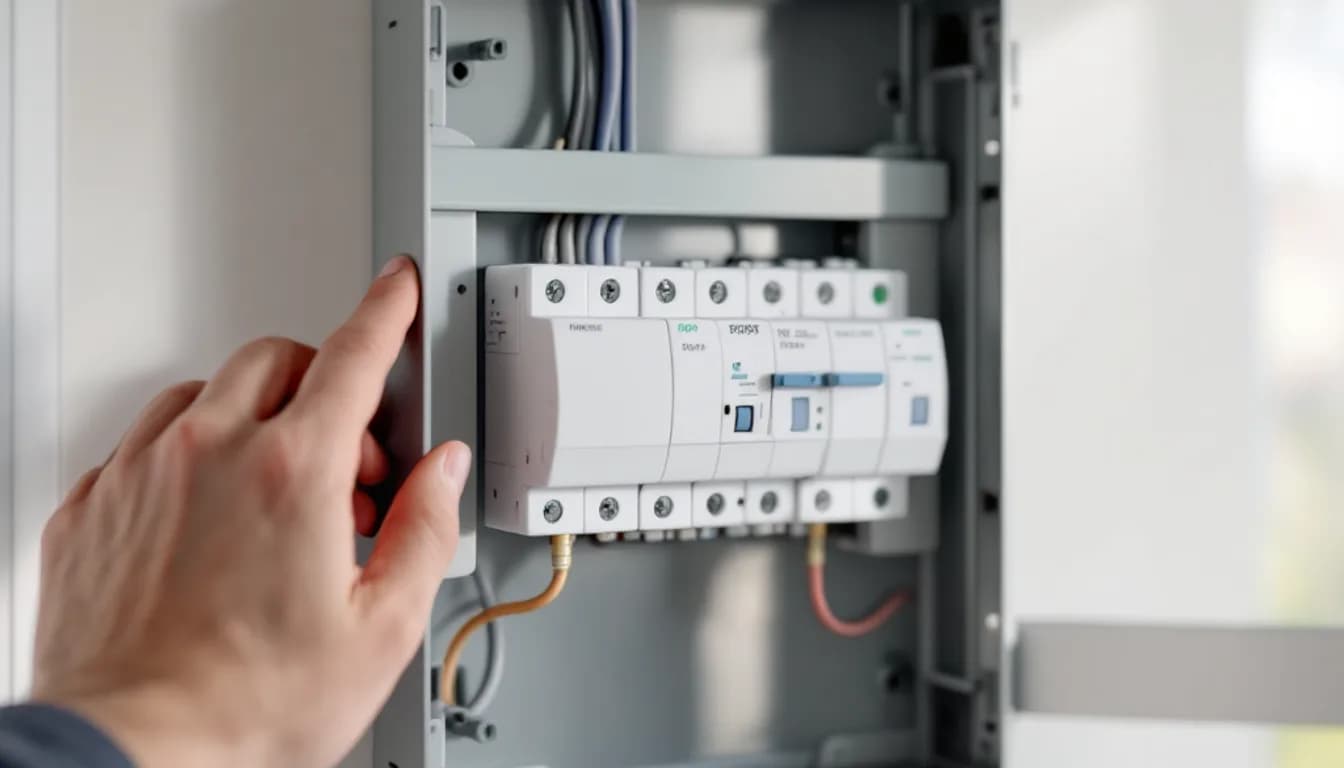
Ask ten London electricians which is the best consumer unit brand and you'll get a few strong opinions and a lot of "depends what you're fitting it to". The honest answer surprises people. The brand on the front of your fuse board matters far less than whether it's a metal enclosure, wired to the 18th Edition of BS 7671, and installed by someone who signs it off properly. A brilliant board fitted badly is still a dangerous board.
That said, some brands genuinely are easier to spec, easier to get spares for, and better built. So here's how the leading UK consumer unit brands stack up for 2026, what each one is best for, and the things that actually decide whether your home is safe. I'm Mo, and I spend a good chunk of my week swapping out old boards across London, so this is the guide I wish more homeowners read before they rang round for quotes.
What actually matters (before you pick a brand)
Four things decide whether a consumer unit is right for your home. Get these correct and the badge is almost a footnote.
A metal enclosure, not plastic
Since the 18th Edition amendment came in, consumer units in domestic premises need a non-combustible enclosure, which in practice means steel. Older plastic units can contribute to a fire taking hold rather than containing it. Every board worth buying today is metal, so if a quote mentions a plastic unit for a house, that's a red flag. The standard behind all of this is BS 7671, the IET Wiring Regulations, which every compliant install in the UK follows.
All-RCBO vs split-load (dual RCD)
This is the choice that changes how your home behaves when something goes wrong. On a split-load board, circuits are grouped behind two RCDs. One fault, say a dodgy appliance in the kitchen, can trip a whole bank of circuits and take out your lights, sockets and heating on that side of the house at once.
An all-RCBO board gives every circuit its own combined protection. A fault on one circuit trips only that circuit, so a faulty freezer doesn't plunge the landing into darkness. RCBOs cost a bit more, but the price gap has narrowed and most electricians now fit them as standard. An RCD is a life-saving device, and Electrical Safety First explains how RCD protection works if you want the plain-English version. We break down the detail in our guide to what an RCD is and why it matters.
Surge protection (SPD)
A surge protection device guards your circuits against transient overvoltages, the sort of spikes that can fry a boiler PCB, a smart hub or an EV charger controller. Many modern boards either include a Type 2 SPD or leave a slot to add one. If your home is full of electronics, it's usually money well spent.
The install and the certificate
Here's the part the brand-obsessed forums skip. A consumer unit change is notifiable work under Part P of the Building Regulations. It has to be tested, certified and either self-certified by a registered electrician or notified to building control. That paperwork is what proves the board is safe, not the logo. We're NICEIC registered and every board we fit is certified to BS 7671, which is exactly why we're relaxed about which brand goes on the wall.
Hager: the trade favourite
Best for: homeowners who want a proven, widely stocked board that most London electricians already know inside out.
- Hager has been a fixture in UK distribution for decades and its metal RCBO consumer units turn up on domestic and light commercial jobs constantly.
- Spares and accessories are easy to source, which matters years down the line when you add a circuit for an EV charger or a garden office.
- The build quality and the clarity of the layout make them a pleasure to work in, which is part of why so many electricians default to them.
If you want a "just fit something solid and standard" board, Hager's UK residential distribution range is hard to argue with. It's the brand I reach for most often on a straightforward consumer unit upgrade.
Wylex: the long-standing all-rounder
Best for: people who want a familiar British name with a broad range and strong availability.
- Wylex is one of the oldest consumer unit names in the country, dating back to a Manchester factory in the 1930s, and it's now part of Electrium (a Siemens company) alongside Crabtree.
- The current range covers consumer units, RCBOs, MCBs, AFDDs and overvoltage protection, so there's a compliant option for most domestic setups.
- Because it's been fitted in so many UK homes, matching devices to an existing Wylex board is often simpler.
You can see the current lineup on the official Wylex brand page. It's a sensible middle-ground choice with genuine heritage behind it.
Schneider Electric: the specifier's pick
Best for: larger properties, higher circuit counts, or homeowners who like a globally engineered brand.
- Schneider Electric (the group that also owns the Square D name) is a major international manufacturer with a well-regarded domestic range.
- It tends to appear on bigger installs where circuit capacity and future expansion are a priority.
- Availability through wholesalers is good, though on the smallest jobs it's not always the cheapest per way.
For a family home with lots of circuits, or a property you plan to extend, Schneider is a solid specification. It's a brand I'm happy to install when a job calls for the extra capacity.
BG (Luceco): value without cutting corners
Best for: budget-conscious upgrades and landlord portfolios where cost per board adds up.
- BG Electrical, part of the Luceco group, produces metal consumer units built to current amendment standards at a keen price point.
- They're widely stocked and straightforward to work with, which keeps labour time down.
- For a single rental flat or a run of properties, the numbers stack up without dropping below what's compliant.
You can view the current range on the BG circuit protection pages. Budget-friendly doesn't have to mean risky, as long as it's a genuine branded metal unit and properly certified.
Fusebox: the value challenger electricians rate
Best for: a well-specced RCBO board at a price that doesn't feel like a compromise.
- Fusebox is a newer name that's built a strong following among UK electricians over the past several years.
- Their RCBO consumer units with integrated Type 2 SPD have made them a real competitor to the established brands.
- The range covers main-switch RCBO, split-load and dedicated EV boards, so there's something for most modern homes.
If you want individual circuit protection and surge protection without paying top-tier prices, Fusebox is genuinely worth a look. I fit plenty of them and rarely have a complaint.
MK Electric (Honeywell): the premium wiring name
Best for: homeowners who want a heritage premium brand and prioritise long-term build quality.
- MK Electric traces its roots to 1919 and is now a Honeywell brand, best known as a leading UK wiring devices manufacturer.
- The name carries a reputation for quality materials and safety features that meet or exceed British Standards.
- It sits at the more premium end, which suits people who'd rather buy once and forget about it.
You can read about the brand on the MK Electric brand page. A dependable choice if premium engineering is what you're after.
Contactum: the UK-made specialist
Best for: buyers who value British manufacturing and a long-established range.
- Contactum has been making electrical equipment in the UK since 1936 and its Defender consumer unit ranges are type-tested to the relevant British and European standards.
- The catalogue is broad, covering steel consumer units, circuit protection and wiring accessories.
- It's a strong pick if you want a heritage UK brand that's still actively developing its ranges.
The current ranges are listed on the Contactum website. Reliable, well-built, and often overlooked next to the bigger names.
Frequently asked questions
Which consumer unit brand is best?
There isn't a single "best" brand for every home. Hager and Wylex are trade favourites for availability and build, Fusebox and BG offer strong value, and MK Electric and Contactum sit at the premium and UK-made ends. What matters far more is that it's a metal enclosure, correctly specced (ideally all-RCBO with SPD where sensible), and certified to BS 7671 by a registered electrician.
Do I legally have to replace a plastic consumer unit?
There's no blanket law forcing you to rip out an existing compliant plastic board just because it's plastic. But any new consumer unit fitted in a home now has to be a non-combustible (metal) enclosure under current regulations, and a consumer unit change is notifiable work under Part P. If yours is old, damaged, or lacks proper RCD protection, it's worth a professional assessment. Our guide on whether your fuse board is still safe walks through the warning signs.
Is a full RCBO board worth the extra money?
For most homes, yes. With individual circuit protection, one fault trips only the affected circuit instead of half the house, so you keep your freezer running and your lights on while you sort the problem. The price gap over a split-load board has shrunk, which is why so many of us now fit all-RCBO as standard.
How much does a new consumer unit cost?
It varies with the size of the board, the number of circuits, whether an SPD is added, and the condition of the wiring behind it, so there's no one figure. We've put together an honest breakdown in our guide to consumer unit replacement cost rather than quote a number that won't fit your home.
Can I fit a consumer unit myself?
Replacing a consumer unit is notifiable work under Part P and involves testing and certification that requires proper equipment and competence. Getting it wrong risks fire, shock and an installation that can't be signed off. It's a job for a registered electrician, and if you're dealing with tripping or unexplained faults, our fault finding service team can diagnose it before any board goes in.
The brand is a genuine consideration, but it's the last 10% of the decision, not the first. What keeps your family safe is a metal board, the right protection for your circuits, and a clean install signed off to BS 7671. We're NICEIC registered, every job is certified and Part P compliant, and we'll spec the board that actually fits your home rather than the one with the biggest logo. If your fuse board is ageing, tripping, or overdue an upgrade anywhere in London, call Capital Electricians on 020 3653 2600 and we'll take a proper look.
Related reading
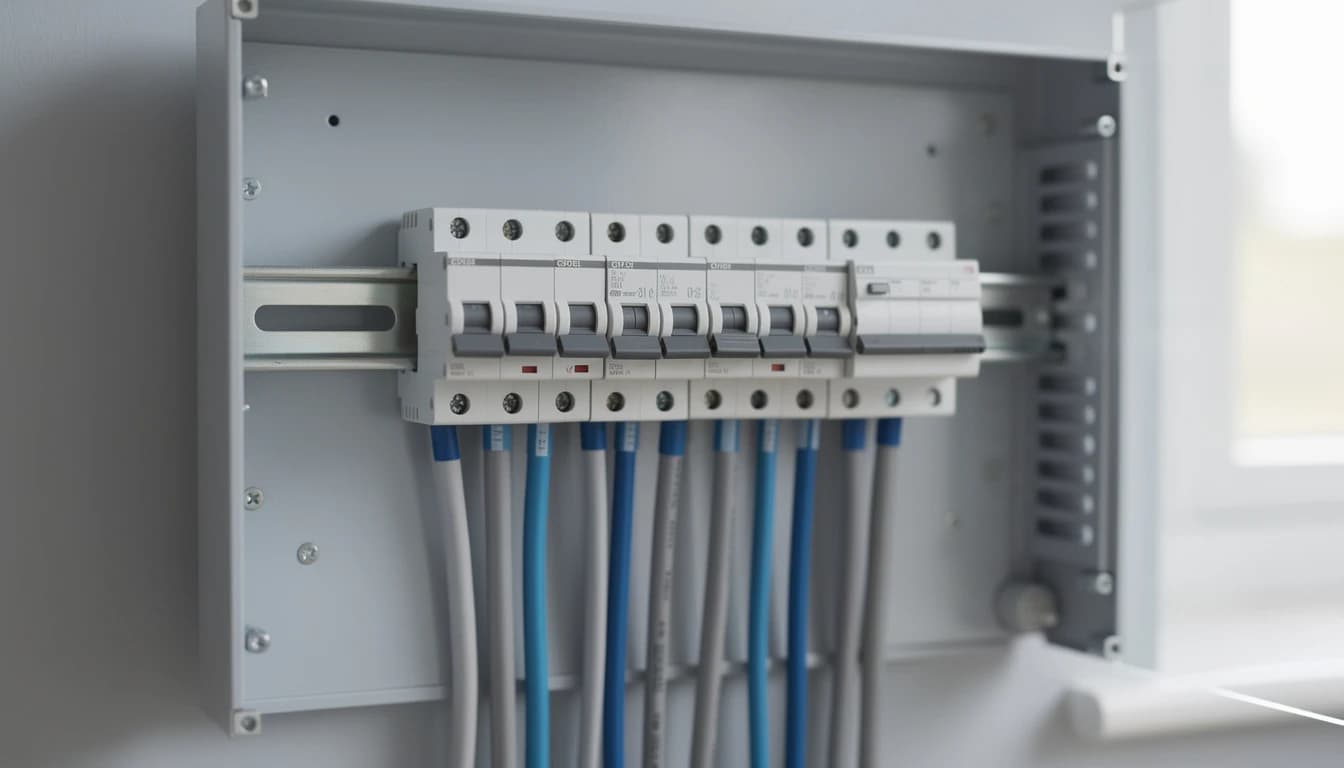
AFDDs and Surge Protection: What Modern Fuse Boxes Need
Arc fault detection and surge protection are the two devices changing what goes in a consumer unit. Here is what each does and whether your board needs them.
Read more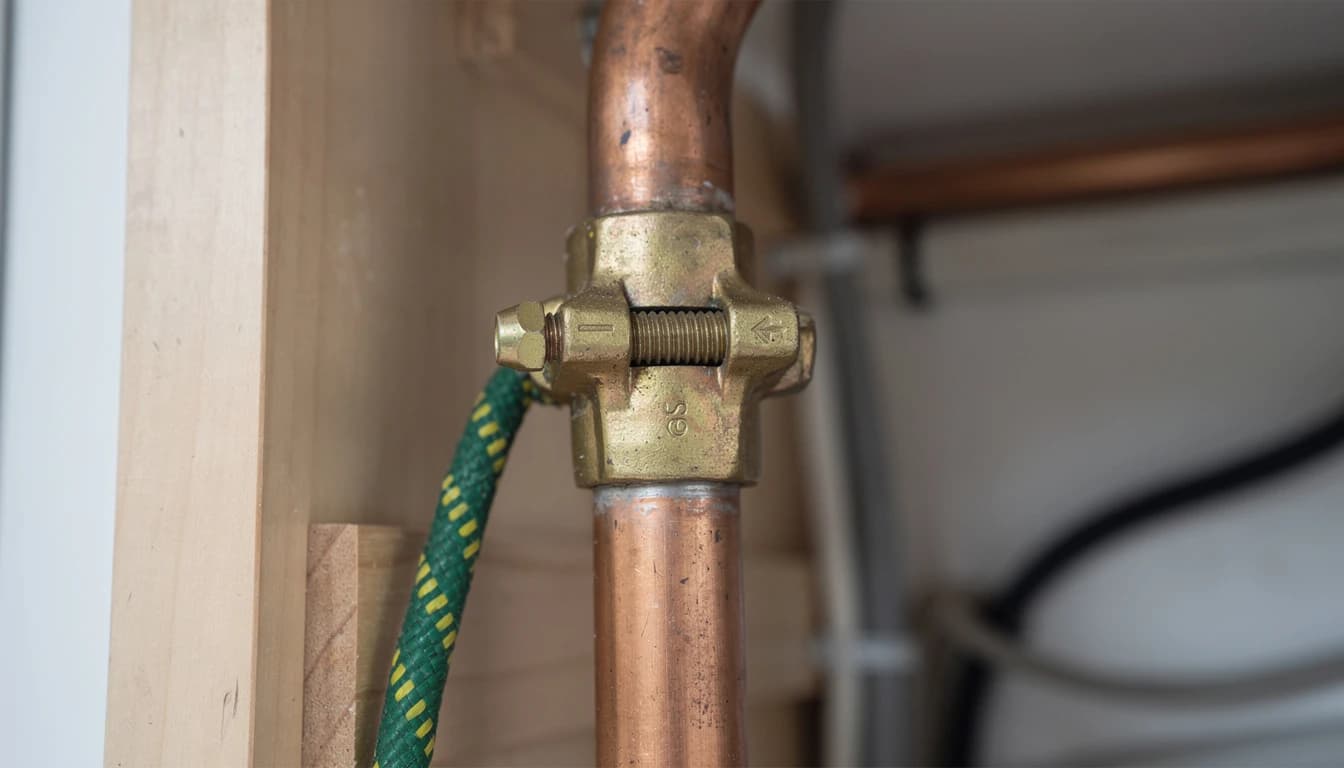
Earthing and Bonding Explained: What Yours Should Look Like
Earthing and bonding do two different jobs and both get flagged on inspections. Here is what each one is, what good looks like, and why yours may be missing.
Read more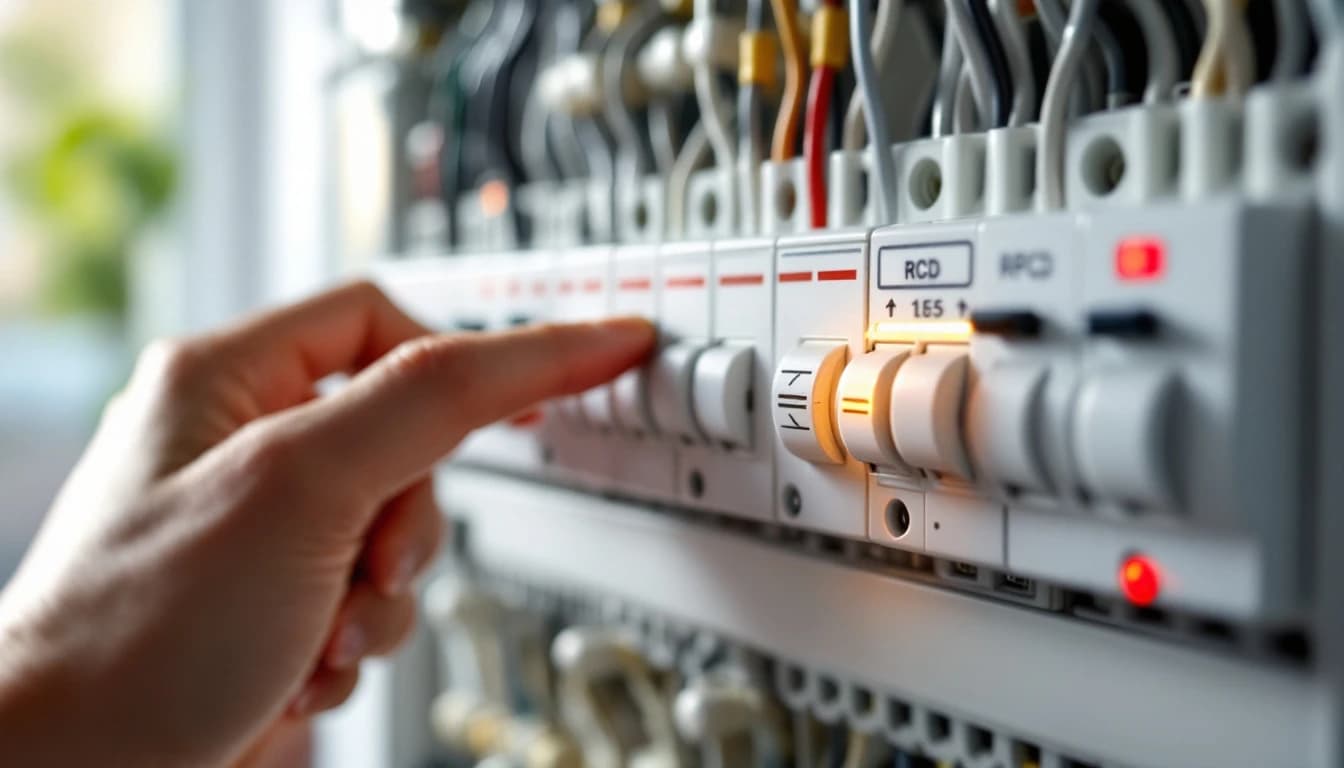
MCB vs RCD vs RCBO: What's Actually in Your Fuse Box
MCB, RCD or RCBO? Here's what each switch in your consumer unit does, how to spot which one you've got, and why one of them keeps tripping. Plain advice from London electricians.
Read more